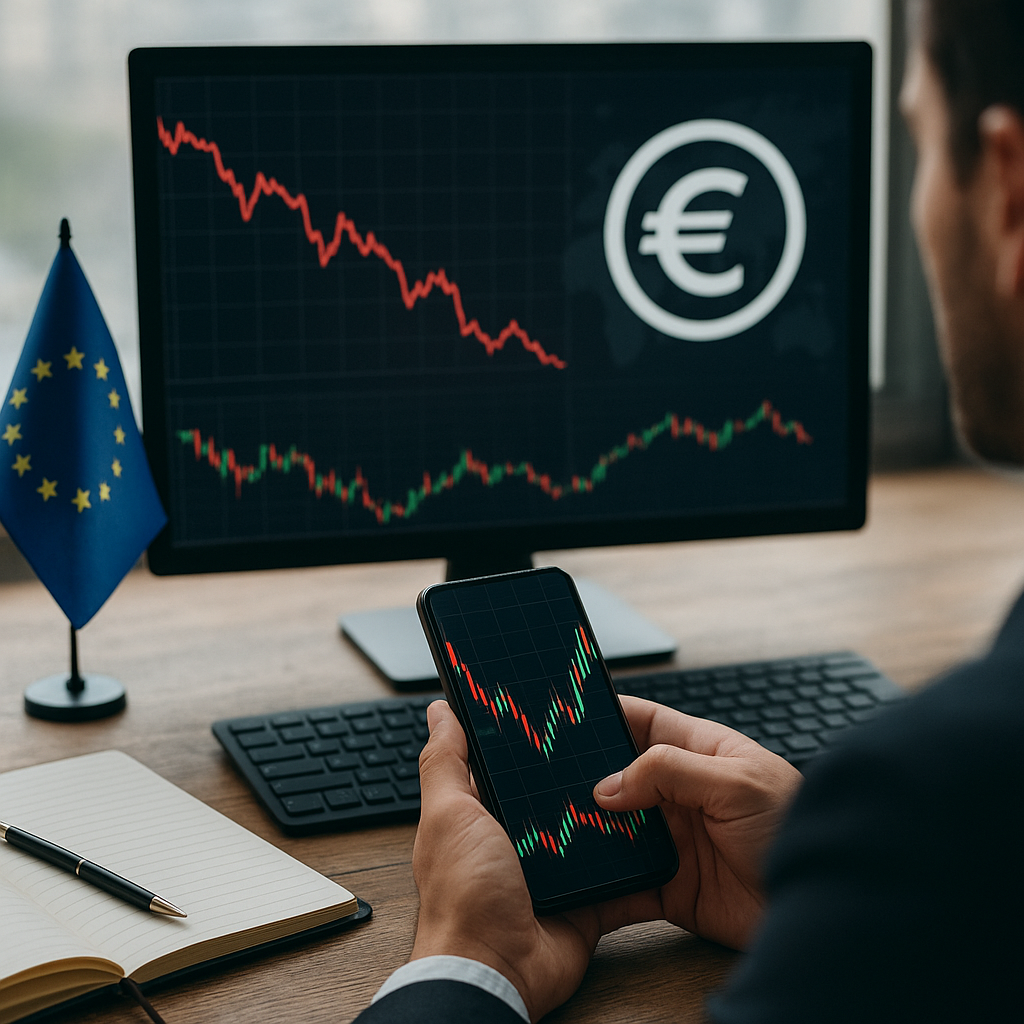
Trading the Euro presents a unique set of opportunities and challenges when geopolitical developments shake investor confidence and spark sudden price swings. By combining disciplined analysis, adaptive strategies, and meticulous risk controls, currency traders can navigate the unpredictable environment and potentially capture attractive returns amidst shifting policy landscapes and electoral dramas.
Assessing the Political Landscape
Understanding the latest political events is the cornerstone of any effective Euro trading plan. Major elections in Eurozone countries, referendums on fiscal integration, or sudden leadership changes can trigger significant volatility across the EUR/USD, EUR/GBP, and cross-currency pairs. To stay ahead:
- Monitor key developments: Keep an eye on election calendars, statements from central bankers, and coalition negotiations in countries like Germany, France, or Spain.
- Track policy shifts: Fiscal stimulus proposals, debt ceiling debates, or regulatory changes may alter long-term growth outlooks and capital flows.
- Assess interdependencies: Understand how political uncertainty in the Eurozone affects global supply chains, trade balances, and risk appetite.
By maintaining a real-time news feed and leveraging reliable research sources, traders can convert raw political data into actionable insights. Avoid succumbing to noise; focus on high-impact announcements that can move markets beyond normal trading ranges.
Implementing Robust Trading Strategies
Even amid choppy sessions, structured approaches help transform uncertainty into opportunity. Consider blending these tactics:
1. Trend-Following Models
Trend-based strategies can capitalize on directional momentum when a major political shock redefines market expectations—such as a surprise election result or a policy reversal. Use moving averages, breakout channels, or momentum oscillators to identify sustained moves in the Euro. Entry and exit rules should be strictly defined to avoid whipsaw losses in range-bound periods.
2. Mean Reversion Techniques
When political rhetoric sparks knee-jerk reactions, the Euro often overshoots its fair value before settling back. Mean reversion models rely on statistical measures like the Bollinger Bands or RSI to spot overbought/oversold conditions. This approach is best deployed during calm windows between major events, allowing traders to fade extreme moves with defined risk caps.
3. Range Trading and Carry Plays
In times of prolonged policy stalemates, the Euro can trade within predictable ranges. Pair this with carry trades—borrowing in lower-yielding currencies to fund long Euro positions—and capture the differential as central bank divergence intensifies. Always remain prepared to exit swiftly if the range breaks on a policy surprise.
Risk Management During Uncertainty
Protection of capital is paramount when liquidity dries up around critical announcements. Consider these risk management pillars:
- Position sizing: Define maximum exposure per trade, typically no more than 1–2% of total account balance.
- Stop-loss placement: Set hard exit levels based on recent volatility and chart structure, leaving room for normal fluctuations without jeopardizing the account.
- Hedging strategies: Use options or offsetting currency positions to limit downside if an unforeseen poll result or policy shift triggers a steep move.
- Margin discipline: Avoid over-leveraging during highly uncertain periods; maintain adequate free margin to weather resumed volatility spikes.
Sticking to these controls reduces emotional decision-making when markets gap or trend rapidly in response to breaking news.
Technical and Sentiment Analysis Tools
Combining objective chart signals with market psychology creates a holistic view of Euro dynamics:
Technical Indicators
- Moving averages: Highlight trend direction and dynamic support/resistance levels.
- MACD and stochastic oscillators: Confirm momentum shifts following political catalysts.
- Fibonacci retracement: Identify potential pullback zones after sharp spikes or drops.
Sentiment Analysis
- Commitment of Traders (COT) reports: Gauge how large speculators and commercials are positioned on the Euro.
- Social media sentiment: Track volume and tone of discussions around the EUR across Twitter or specialized forums.
- Poll-driven models: Incorporate the latest electoral or referendum polling data into probability-weighted scenario frameworks.
By overlaying technical levels with prevailing sentiment, traders can better anticipate reaction points and potential reversals around major data releases or speeches by ECB officials.
Leveraging the Economic Calendar
Beyond political headlines, a robust economic calendar remains essential. Key Eurozone reports—CPI, PPI, PMI, and GDP—isolate underlying growth and inflation trends that guide ECB policymaking. Align your trade timing with these releases:
- Pre-event positioning: Scale positions ahead of high-impact prints while defining clear risk parameters.
- Event-driven strategies: Use straddles or strangles in the options market to profit from expected volatility expansions.
- Post-release assessments: Analyze the divergence between actual data and consensus forecasts to identify potential policy shifts.
Regular review of scheduled announcements helps avoid surprise exposures and lets you chase measured breakouts when results deviate significantly from expectations.
Maintaining Discipline and Emotional Control
Currency markets during political turbulence can test even seasoned traders. Key habits to uphold:
- Stick to your plan: Resist impulsive trade adjustments based on incomplete or sensational news.
- Journal every trade: Record entry, exit, rationale, and outcome to refine strategies over time.
- Periodic review: Conduct weekly or monthly performance audits, focusing on what worked and where risk controls broke down.
Consistent application of these principles not only builds resilience but also fosters incremental improvements in your trading edge.
Ultimately, successful Euro trading amid political uncertainty hinges on the interplay between rigorous analysis, disciplined execution, and adaptive risk controls. By blending fundamental insights with structured strategies and robust safeguards, traders can transform market turbulence into systematic trading opportunities.