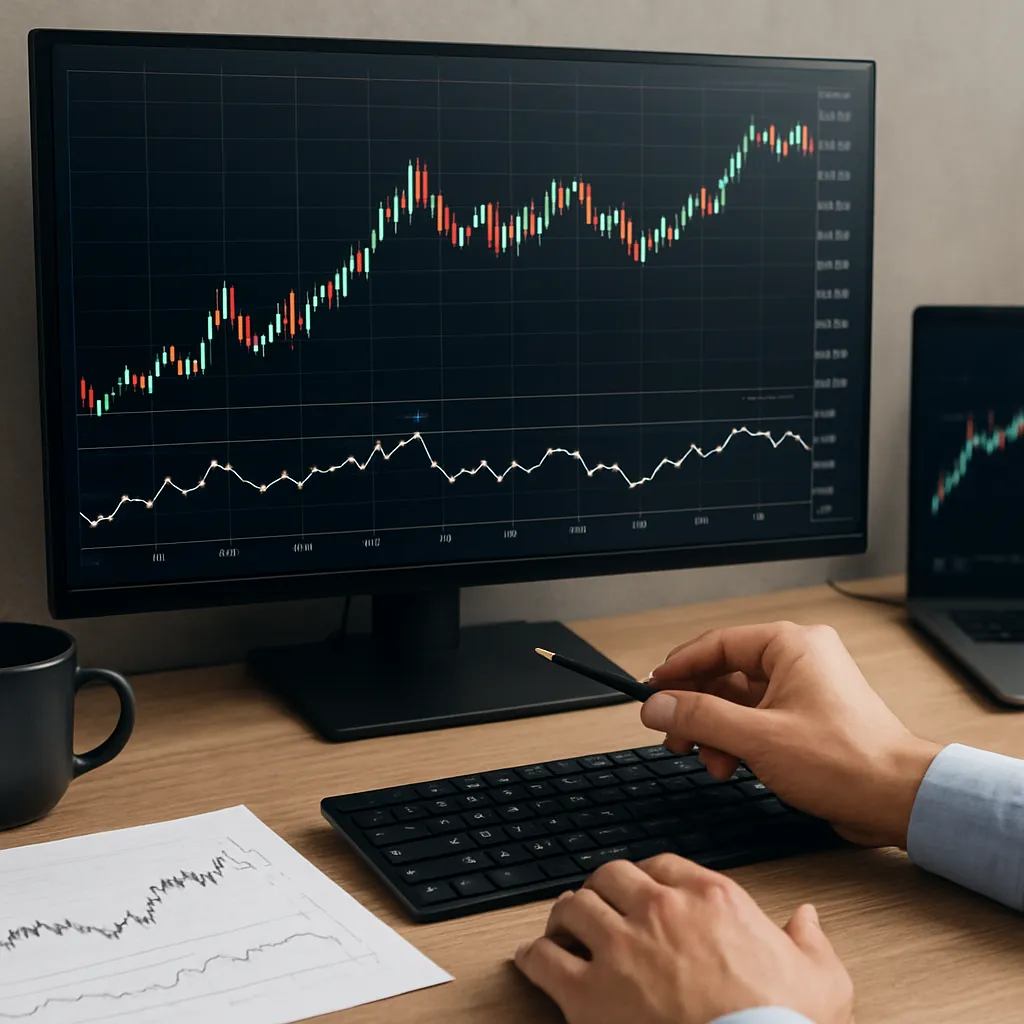
Geopolitical tensions often act as catalysts for sharp moves in the currency market, creating both opportunities and pitfalls for investors. With diplomatic standoffs, armed conflicts, and policy shifts unfolding around the globe, understanding how these events influence exchange rates can help traders position themselves advantageously. This article explores key dynamics driving currency valuations during periods of unrest and offers practical strategies for navigating the turbulence.
Understanding the Impact of Geopolitical Events on Currencies
When nations clash or engage in economic sanctions, the ripple effects on currency markets can be profound. Investors flock to safe assets, central banks may adjust policy, and cross-border capital flows accelerate. Recognizing these patterns requires a blend of fundamental analysis and real-time monitoring.
Flight to Safety and Safe-Haven Currencies
During severe volatility, traders typically seek refuge in established safe-haven currencies such as the US Dollar (USD), Swiss Franc (CHF), and Japanese Yen (JPY). These currencies are perceived as low-risk because of their countries’ stable political environments and strong financial systems. A sudden spike in conflict intensity might trigger inflows that strengthen these currencies.
Risk-Off vs. Risk-On Dynamics
The market environment oscillates between risk-off and risk-on modes. In risk-off phases, investors retreat from higher-yielding, commodity-linked currencies like the Australian Dollar (AUD) and Canadian Dollar (CAD). Conversely, risk-on periods—often following diplomatic de-escalation or positive resolutions—can reverse these moves rapidly. Developing an ability to distinguish these phases is crucial for effective risk management.
Identifying Key Currencies and Correlations
Not all currencies respond equally to geopolitical developments. Building a framework around major pairs and their correlations can reveal profit opportunities.
- USD/JPY: Highly sensitive to global risk appetite, this pair often trends downward in risk-on environments and rallies when tensions escalate.
- EUR/USD: Influenced by both US and Eurozone political events, including EU trade disputes and Federal Reserve policy decisions.
- GBP/USD: Reacts strongly to Brexit-related developments and UK domestic political uncertainty.
- Commodity-linked currencies (AUD, CAD, NZD): Typically underperform when geopolitical tensions depress global growth expectations.
Understanding correlation among these pairs enables traders to hedge positions effectively or to construct directional bets based on regional risk factors. For example, if a Middle Eastern conflict threatens oil supplies, CAD and NOK might diverge from yen flows.
Strategic Approaches to Capitalize on Tensions
Active traders can deploy a variety of techniques to harness currency movements induced by geopolitical events. Here are several core strategies:
1. Carry Trade Adjustments
The carry trade involves borrowing in low-yielding currencies and investing in higher-yielding counterparts. When tensions spike, central banks often cut rates or provide liquidity, compressing interest differentials. Traders should monitor announcements closely and unwind or re-size positions to avoid margin calls.
2. Hedging with Options
Using currency options allows investors to cap downside while retaining upside. When geopolitical risk is elevated, implied volatility in option premiums rises. Purchasing put options on currencies expected to weaken, or call options on safe-havens, can offer defined-loss exposure.
3. Diversification across Correlated Pairs
Allocating capital across a basket of currencies with low mutual correlation reduces the impact of a single adverse event. Combining a short position in a risk-sensitive currency with a long position in a safe-haven can smooth returns during abrupt market swings.
4. Event-Driven News Trading
Real-time newsfeeds and economic calendars are essential for event-driven strategies. Breaking headlines—such as sanction announcements, surprise diplomatic talks, or military escalations—can trigger immediate volatility. Automated trading systems with pre-set triggers can capture these rapid moves before spreads widen.
Advanced Analytical Techniques
Beyond basic charting, traders can leverage sophisticated tools to refine entry and exit points under geopolitical stress.
- Technical Analysis: Identify key support and resistance levels on major pairs. Look for flag patterns, head-and-shoulders or double bottoms forming around news events.
- Sentiment Indicators: Use Commitment of Traders (COT) reports, positioning data, and retail trader sentiment to gauge crowd bias.
- Machine Learning Models: Train algorithms on historical geopolitical event data to predict reaction magnitudes for various currency pairs.
- Liquidity Monitoring: Track depth of order books to avoid placing large trades in illiquid periods when volatility surges.
Building a Robust Risk Management Framework
Successful navigation of geopolitical turbulence requires stringent controls and adaptive planning. Here are key components to embed in your trading plan:
- Position Sizing: Cap exposure to any single currency to a fixed percentage of total capital.
- Stop-Loss Orders: Set dynamic stops based on Average True Range (ATR) or volatility-adjusted distances.
- Hedging: Use mini-futures or options to offset potential losses during black-swan events.
- Regular Stress Testing: Simulate worst-case scenarios, such as sudden border closures or major policy shifts.
- Continual Education: Stay updated on global affairs and central bank communications to anticipate moves before they materialize.
By combining rigorous analysis, disciplined diversification, and proactive hedging, currency traders can transform periods of geopolitical discord into profitable opportunities. Remaining vigilant, flexible, and well-capitalized is the cornerstone of mastering the unpredictable world of foreign exchange amidst global tensions.