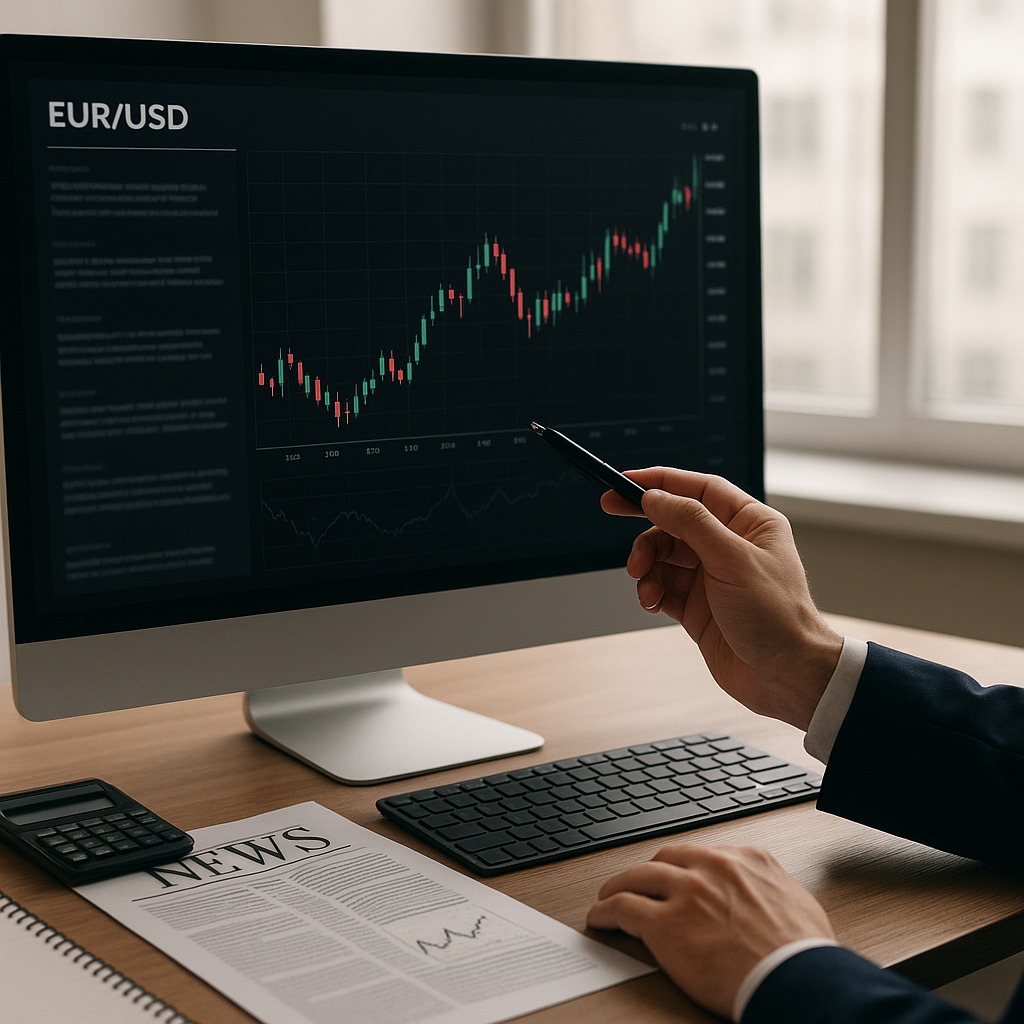
Trading news events in the currency market requires a blend of preparation, quick decision-making and disciplined execution. By understanding how economic releases and geopolitical developments move currency pairs, traders can capitalize on short-term volatility and long-term trends. This article explores key concepts, tools and strategies for engaging in news-driven forex trading.
Understanding News Impact on Forex
Different Types of Economic Releases
Major currency moves often accompany announcements such as central bank interest rate decisions, GDP figures, employment reports and inflation statistics. High-impact releases like the U.S. Non-Farm Payrolls or European Central Bank rate statements typically cause spikes in liquidity and sharp price swings.
Market Sentiment and Psychology
Market sentiment determines how participants interpret data surprises. Even if an economic report aligns with forecasts, pre-release positioning can trigger a counterintuitive reaction. Understanding how traders form expectations helps you predict potential overshoots and retracements.
Preparing for News Trading
Consulting the economic calendar
An up-to-date economic calendar identifies event timing, expected figures and historical data. Mark high-impact events and set reminders. Anticipating the market’s consensus forecast allows you to plan orders around potential deviations from expectations.
Defining Entry Strategy and exit strategy
Establish clear rules for entering and exiting trades. You might choose to:
- Place pending orders above and below current price if you expect a sharp directional breakout.
- Wait for the initial spike to settle, then enter on a pullback to capture a sustained move.
- Use a straddle order to ensure your trade triggers on momentum, regardless of direction.
By setting a robust entry strategy and corresponding exit strategy, you minimize emotional decision-making under pressure.
Risk Parameters: stop loss and Position Sizing
Given the unpredictable nature of news spikes, applying a well-defined stop loss is essential. Determine position size based on account equity and risk tolerance—never risk more than a small percentage per trade. Tight stops can protect capital, but ensure they’re wide enough to avoid elimination by noise.
Executing News-Based Trades
When the event unfolds, lightning-fast execution matters. Follow this sequence:
- Disable conflicting indicators or pending orders that might interfere with your plan.
- Watch for the initial price jump and note the peak and trough within the first few seconds.
- Activate your predefined pending orders or manually enter once your criteria are met.
- Avoid chasing extreme moves. Instead, look for retracements toward logical support or resistance levels to confirm a trend.
Maintain discipline. If the market behaves erratically, it’s often wiser to sit out than to force a trade.
Analyzing and Refining Your Approach
Tracking Performance with a Trading Journal
Record every news trade: entry time, instrument, position size, stop loss, target and eventual result. After a series of trades, evaluate your hit rate, average reward-to-risk ratio and drawdown. Identifying patterns in your successes and failures leads to continuous improvement.
Combining fundamental analysis and technical analysis
While news-driven moves stem from economic data, chart patterns reveal where price may stall or reverse. Use support and resistance lines, Fibonacci retracements and moving averages to validate potential turning points. Merging both approaches increases your confidence in trade signals.
Maintaining Discipline: risk management and leverage
News trading often tempts traders to over-leverage in pursuit of fast gains. Excessive leverage can wipe out your account if markets gap aggressively. Adhere to prudent risk management guidelines: cap leverage, stick to your stop-loss plan and avoid risking significant capital on single events.
Advanced Techniques and Considerations
Fade the Initial Spike
Experienced traders sometimes fade extreme reactions by betting on a price correction. If a currency surges 100 pips in seconds, look for confirmation signals—like a bearish candlestick pattern—before entering against the spike.
Correlation and Cross-Pair Strategies
News for major economies affects not only the directly involved currency pair but also correlated crosses. For instance, a stronger dollar post-US CPI may weaken EUR/USD and strengthen USD/JPY. Monitor cross-pair correlations to uncover secondary opportunities or hedges.
Working Through High-Impact Sessions
Certain trading sessions exhibit increased volatility. The London–New York overlap, for example, often amplifies reactions to US data. Align your trading schedule with these windows to ensure adequate liquidity and tighter spreads.
Common Pitfalls and How to Avoid Them
Overtrading and Emotional Bias
Rapid-fire news events can lure traders into overtrading. Set a cap on the number of news trades per day and stick to it. If you experience losses, refrain from revenge trading; wait for the next well-researched opportunity.
Being Caught in Whipsaws
Whipsaw movements occur when price breaks in one direction, then reverses sharply. Mitigate whipsaw risk by waiting for candlestick confirmation or slight consolidation before committing fully to a direction.
Ignoring Follow-Through
After the initial fanfare, markets often settle into more gradual trends or range-bound patterns. Avoid closing profitable trades too early—evaluate whether follow-through suggests a continuing move or a shift back toward pre-news levels.
Conclusion
Successfully trading news events in the currency market demands a structured approach: thorough preparation, disciplined execution and rigorous post-trade analysis. By leveraging the tools and strategies outlined above, you can transform raw economic data into consistent trading opportunities while safeguarding your capital through sound risk management and strategic leverage usage.