How to Analyze Central Bank Intervention in Currency Markets

Central bank interventions in foreign exchange markets can have profound effects on currency valuations, trading strategies, and the broader global economy. By understanding the motives, tools, and outcomes of these actions, currency investors can better position themselves to respond to sudden market shifts and anticipate potential policy moves. Understanding Central Bank Mechanisms Central banks employ…

Read More

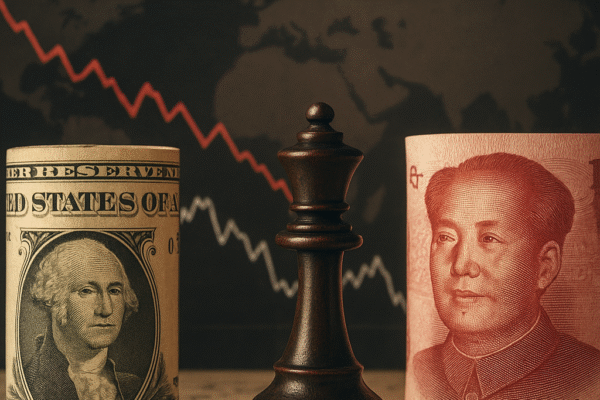
The Impact of Trade Wars on Currency Markets

Understanding the dynamics between international trade disputes and currency valuations is essential for anyone involved in global finance. As escalating tariffs and retaliatory measures reshape supply chains and trade balances, investors and policymakers must monitor shifts in market sentiment, capital flows, and relative purchasing power across borders. This article explores how trade conflicts influence currency…

Read More

The Impact of Inflation on Foreign Exchange Markets

The perpetual tug-of-war between national price levels and cross-border valuations continues to fascinate investors and policymakers alike. As consumer prices climb or stabilize, these fluctuations echo across the global landscape of currencies, reshaping trade flows, capital allocations and speculative bets. Understanding how inflation interplays with forex dynamics can empower market participants to navigate turbulent waters…

Read More

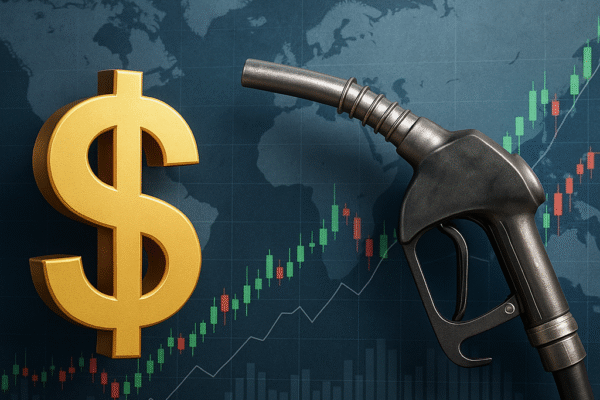
How Global Energy Prices Influence Currency Movements

The interplay between global energy prices and foreign exchange rates has become increasingly pronounced as economies adapt to shifting supply chains, evolving geopolitical tensions, and emerging energy technologies. Investors in the currency markets must monitor trends in oil, natural gas, and renewable energy costs to anticipate shifts in trading patterns. This analysis delves into the…

Read More