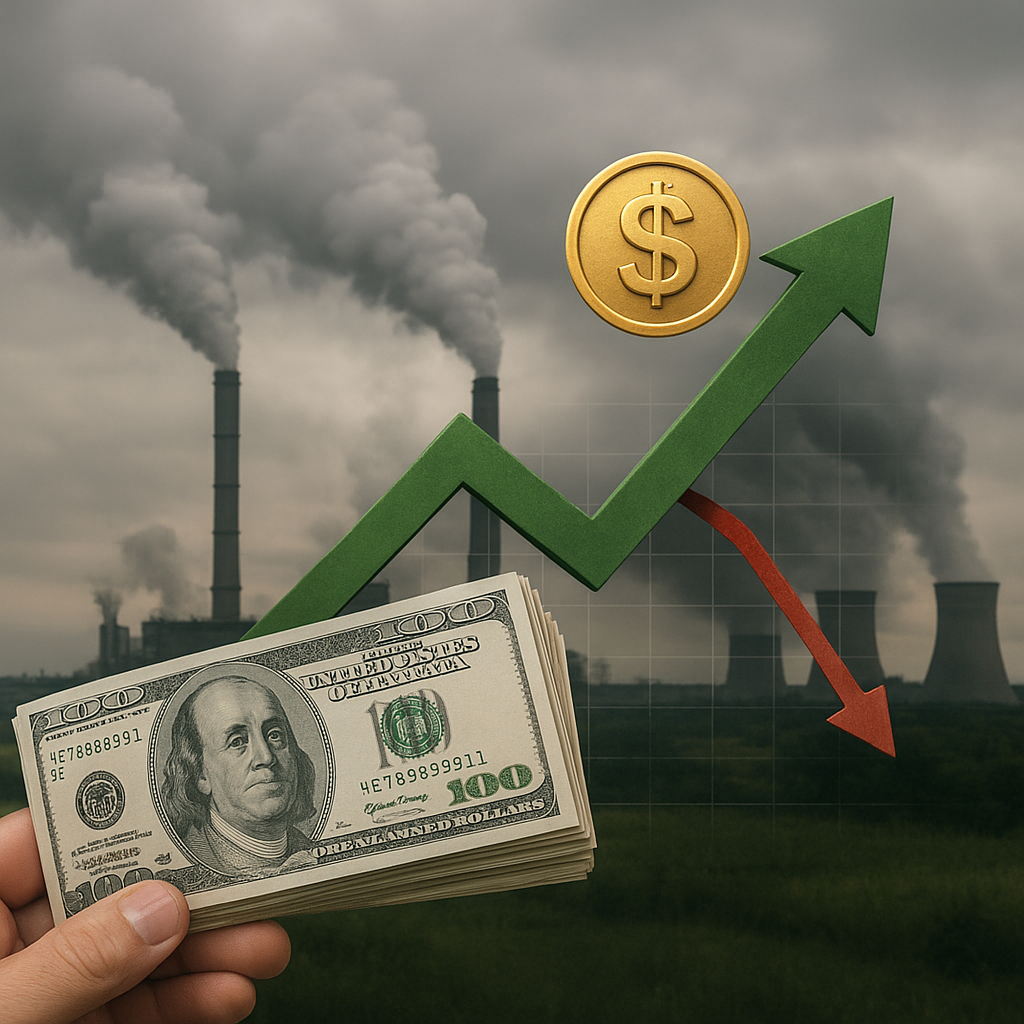
Greenhouse gas reduction targets and fiscal incentives are no longer peripheral issues for global finance. Instead, they are deeply intertwined with currency markets and investor strategies. As nations pursue aggressive measures to decarbonization and achieve net-zero milestones, the interplay between environmental action and exchange rates intensifies. This article explores how the evolution of policies aimed at mitigating climate change reshapes currency valuations, offering new perspectives for investing in foreign exchange.
Global Climate Strategies and Their Financial Implications
Major economies have implemented a spectrum of measures ranging from carbon taxes to emission trading schemes. Such climate regulations alter production costs, especially in energy-intensive sectors. Higher energy levies can reduce export competitiveness, pressuring commodity-heavy currency regimes. For example, nations relying on fossil fuel exports face revenue fluctuations as global decarbonization reduces demand for hydrocarbons.
Conversely, countries aggressively promoting renewable energy investments may strengthen their trade balance over time. Capital flows into solar and wind projects can support domestic financial markets and currency demand. These shifts in supply and demand dynamics underline the emerging link between environmental targets and cross-border capital movements.
Multilateral agreements, like the Paris Accord, drive coherent global action, but national monetary policy frameworks diverge markedly. While some central banks incorporate climate risk into forward guidance, others maintain traditional inflation targeting. These policy divergences exacerbate currency volatility during periods of climate-induced market stress, as investors recalibrate risk premia.
Green fiscal packages often involve subsidies, grants, or tax credits to accelerate clean technology adoption. Funding these incentives can lead to larger budget deficits, influencing sovereign yield curves. Higher long-term rates can appreciate a currency if foreign investors view the debt as a safe asset, yet undermining the appeal if debt sustainability concerns rise.
Transmission Mechanisms: How Climate Policies Influence Forex Markets
Carbon Pricing and Energy Cost Shocks
Carbon pricing creates explicit costs for emitting CO₂, incentivizing businesses to switch to cleaner inputs. As energy producers pass these costs to consumers, inflationary pressures may mount. Central banks can respond by tightening interest rates, potentially boosting the currency in the short term. However, persistent price shocks risk eroding real incomes and economic growth, setting off currency depreciation over longer horizons.
- Direct impact on industrial margins
- Shift in comparative advantage among trading partners
- Reassessment of sovereign creditworthiness
- Investor repositioning amid asymmetric policy adoption
Energy-importing nations often experience currency appreciation when shifting away from fossil fuels reduces import bills. Meanwhile, exporters of oil and gas might witness revenue declines, weighing on their exchange rates. This subtle balance illustrates how sustainability goals can produce counterintuitive forex outcomes.
Financial institutions increasingly incorporate climate stress tests into balance-sheet assessments. Banks and asset managers with significant exposure to high-emission sectors may see funding costs rise. The changing credit environment affects cross-border capital flows, influencing sovereign spreads and currency valuations.
Investing in a Low-Carbon Future: Opportunities and Risks
As awareness grows around environmental risks, portfolio managers integrate ESG criteria into currency strategies. They may overweight currencies of countries with robust renewable energy policies or underweight those lagging in climate action. Such tilts aim to capture growth potential while managing long-term downside risks.
Green bonds have emerged as a key instrument, offering fixed-income exposure tied to environmentally beneficial projects. The issuance of green sovereign debt can signal policy credibility, attracting international demand and supporting currency appreciation. However, standardization challenges and potential greenwashing remain significant concerns for investors.
Currency hedging becomes more complex in the context of climate risk. Traditional forward contracts may not account for abrupt policy announcements or climate events like extreme weather. Dynamic hedging strategies, potentially utilizing options to manage tail risks, are gaining popularity among sophisticated market participants.
- Diversification across low-carbon economies
- Use of climate derivatives for hedging policy risk
- Engagement with central banks on sustainable finance
- Monitoring sovereign green finance frameworks
Investors must balance near-term returns with evolving regulatory landscapes. A country might tighten emission rules after a political shift, unexpectedly altering currency trajectories. Staying attuned to legislative calendars and public sentiment improves foresight for currency positioning.
Case Studies: Green Policies and Currency Fluctuations
The European Union Emissions Trading System (EU ETS) has been a bellwether for linking carbon costs to macro variables. Periodic revisions to the ETS cap influenced power producers’ expenses, with knock-on effects on the euro. Analysts observed that stronger-than-expected carbon price rises often coincided with temporary euro rallies due to anticipated higher inflation and interest rate responses.
In the United States, the Inflation Reduction Act introduced substantial tax incentives for clean energy. The resulting surge in renewable sector investment has improved the trade deficit in green technologies. Some currency strategists noted modest appreciation in the dollar against EM peers, as US green infrastructure spending attracted foreign capital.
China’s pilot carbon markets, though still evolving, signaled a shift in the country’s role as the world’s largest emitter. Announcement-driven speculation around permit pricing affected the yuan’s forward points, reflecting unsettled perceptions of China’s transition pace. As Beijing tightens regulations, forex markets remain alert to potential export cost hikes.
Emerging economies like Brazil have tied conservation policies to sovereign bond issuances. The alignment between anti-deforestation measures and sustainable debt frameworks has garnered favorable international response. The real’s performance showed resilience when investors perceived genuine environmental commitment.
These examples underscore that currencies are not immune to the wave of climate action sweeping the global economy. Prudent investors integrate policy risk into their models, acknowledging that traditional macro indicators now interact with environmental variables.
Navigating the Currency Landscape Amid Climate Action
Understanding the nexus between climate objectives and forex dynamics requires multi-disciplinary expertise. Analysts combine fundamental analysis with scenario-based modeling to project policy impacts. Such frameworks often involve stress-testing currency paths under various carbon-price trajectories and energy-transition scenarios.
Regulatory bodies worldwide are exploring central bank digital currencies (CBDCs) with embedded sustainability features. These digital instruments could foster greener payment systems and incentivize low-carbon consumption. The adoption of CBDCs may alter capital flow patterns, introducing a new dimension to forex management.
Moreover, international financial institutions are expanding climate-related disclosures under guidelines set by the Task Force on Climate-related Financial Disclosures (TCFD). Enhanced transparency allows currency strategists to better quantify ecological risks, refining asset allocation decisions across jurisdictions.
Future developments in environmental regulation and technology will continue to reshape exchange rate behavior. Integrating real-time data on carbon markets, resource efficiency, and extreme weather events can provide more granular insights for currency decision-making. Adopting adaptive investment frameworks ensures portfolios remain resilient amid the evolving intersection of fiscal, inflation, and ecological variables.