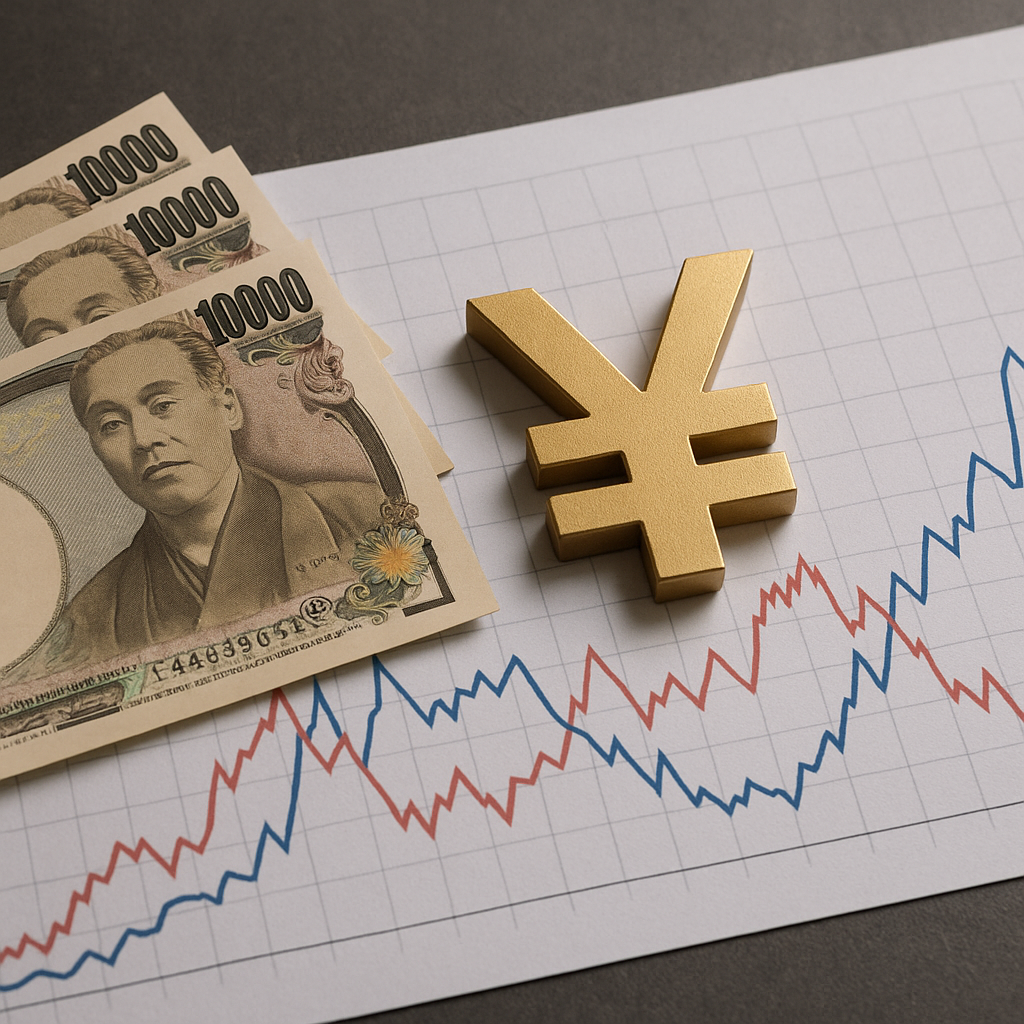
The yen has long held a pivotal position in the world of currencies and investing, shaping global markets through its unique economic backdrop and monetary policy. From its humble beginnings in the late 19th century to its modern role as a safe-haven and funding currency, the Japanese yen offers valuable insights into the interplay between national policy and international capital flows. This article explores key dimensions of the yen’s evolution, its impact on trading strategies, and how investors can navigate the complexities of currency fluctuations.
Historical Evolution of the Yen
Introduced in 1871, the yen replaced a complex system of feudal-era coins. Initially pegged to silver, it later adopted a gold standard, aligning Japan with major Western economies. Following World War II, Japan faced rampant inflation and currency instability. Under the auspices of the Allied occupation, the yen was revalued at 360 to the U.S. dollar, establishing a fixed parity that underpinned reconstruction efforts.
- Bretton Woods System (1944–1971): Fixed exchange rates tied the yen to the dollar.
- 1971 Nixon Shock: Collapse of gold convertibility triggered yen appreciation pressures.
- Plaza Accord (1985): Coordinated intervention to weaken the dollar, boosting the yen by over 50% in two years.
The Plaza Accord’s aftermath saw Japan’s exports dented by an overvalued currency, fuelling a domestic bubble in real estate and equities. When that bubble burst in the early 1990s, the yen became associated with lingering deflationary pressures and stagnation, a phenomenon often termed Japan’s “Lost Decade.”
The Yen as a Safe-Haven Asset
Global investors have come to view the yen as a safe-haven during periods of market distress. Its status rests on Japan’s vast current account surpluses and substantial foreign reserves, which foster confidence in the yen’s stability. In times of geopolitical tension or equity market turmoil, capital often rushes into yen-denominated investments, driving its value higher even as risk assets decline.
Key drivers behind this dynamic include:
- Volatility Spikes: Fear-induced volatility in stocks typically coincides with yen appreciation.
- Carry Trade Unwinds: Losses on leveraged positions prompt rapid yen buying.
- Portfolio Hedging: Yen futures and options are widely used to hedge global equity exposures.
While the safe-haven characteristic offers hedging benefits, it is not without drawbacks. Sharp reversals often occur when global risk appetite returns, leading to sudden yen weakness and jolts in cross-currency portfolios.
Impact of Monetary Policy and Currency Interventions
The Bank of Japan’s approach to quantitative easing and negative interest rates has profoundly shaped the yen’s behavior. Japan’s persistently low growth and inflation have compelled policymakers to deploy unconventional tools, aiming to stimulate domestic demand and weaken the yen to support exports.
Major policy actions include:
- 2013–2020: Massive asset purchases under “Abenomics,” expanding BOJ’s balance sheet to unprecedented levels.
- 2016: Introduction of a negative rate on excess reserves, pushing short-term rates below zero.
- Intervention Operations: Although rare, coordinated currency interventions in 2011 and intra-day interventions have demonstrated Japan’s readiness to curb excessive yen moves.
These measures intend to counteract deflationary mindsets and generate inflation close to 2%. However, large-scale easing often pressures the yen lower, creating tensions with trade partners and sparking calls for joint currency management.
Role of the Yen in Global Carry Trades
Since the 1990s, the yen has been the funding currency of choice for the carry trade, where investors borrow cheaply in yen and invest in higher-yielding assets abroad. This strategy leverages Japan’s near-zero interest rates to exploit leverage and capture interest rate differentials.
Mechanics and Risks
- Borrow yen at sub-zero to low single-digit rates.
- Convert to currencies such as the Australian dollar or emerging-market currencies.
- Invest in bonds, equities, or commodities offering higher yields.
Profits accrue when the yen remains stable or weakens against target currencies. Yet, sudden yen appreciation can trigger forced unwinds, magnifying losses across global markets. Episodes like the 2008 financial crisis and the 2013 “taper tantrum” highlight how swiftly carry trades can be unwound, leading to rapid yen rallies and widespread market turbulence.
Strategic Implications for Currency Investors
For investors, mastering the yen’s idiosyncrasies is crucial to building robust currency strategies. Key considerations include:
- Diversification: Allocate to multiple funding currencies to reduce reliance on yen funding.
- Forward contracts and options: Employ derivatives to hedge against sudden yen spikes.
- Speculation versus Hedging: Balance directional yen bets with protective positions to manage downside risk.
- Risk management: Employ stop-loss triggers and dynamic adjustments to navigate volatility.
Understanding the interplay between Japan’s domestic policy, global economic cycles, and investor psychology can help traders anticipate major yen moves. By blending fundamental analysis with technical signals, currency investors can position themselves to benefit from both calm and turbulent market regimes involving the yen.