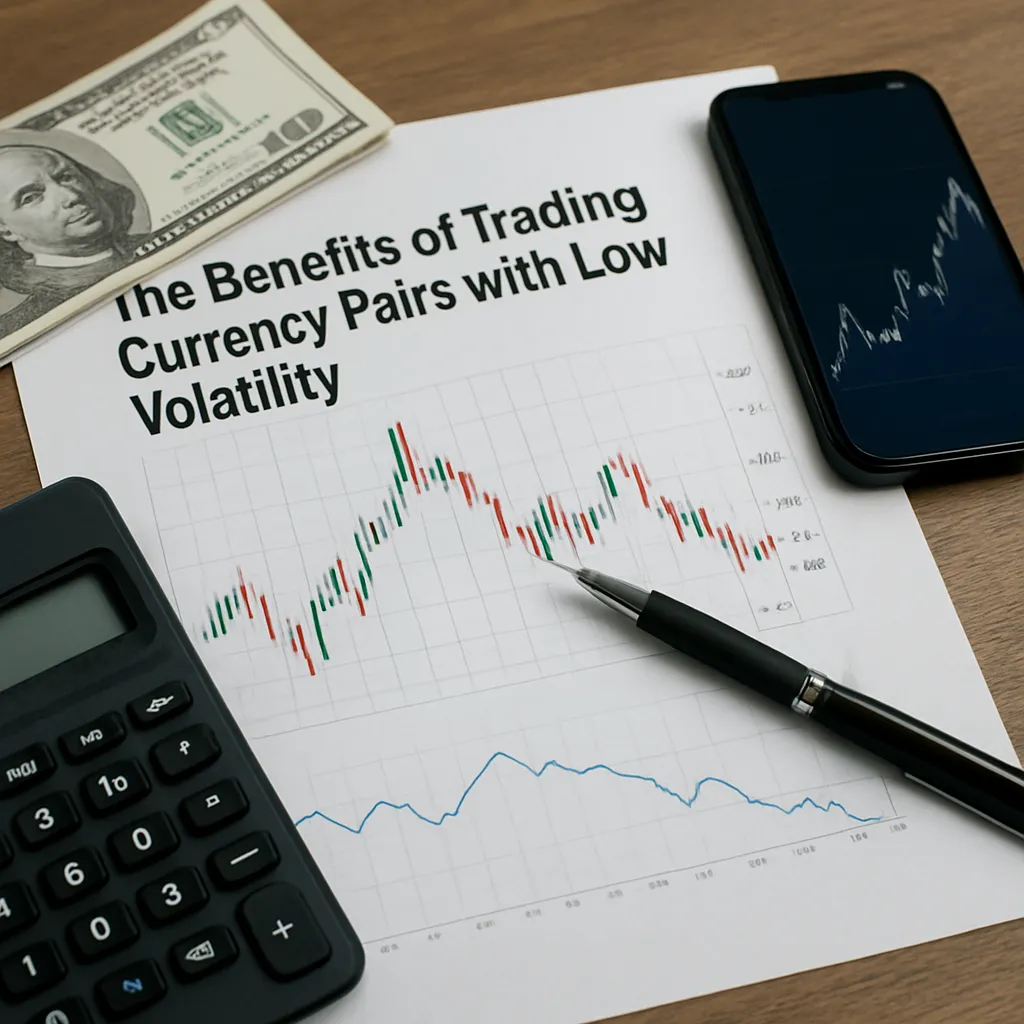
Mastering the art of currency trading requires a deep understanding of market dynamics. One often overlooked approach is focusing on pairs with low volatility. By navigating markets where price swings are muted, traders can develop more refined strategies, minimize drawdowns, and achieve sustainable growth in their portfolios. This article explores the multifaceted advantages of trading currency pairs with low volatility and offers practical guidance for integrating this approach into your trading routine.
Enhanced Risk Control and Predictability
When traders select pairs known for stability, they gain a clearer view of potential price movement, leading to superior risk management. High-volatility pairs can produce wild swings that trigger emotional decisions and large losses. In contrast, low-volatility pairs move within well-defined ranges, allowing traders to:
- Set tighter stop-loss levels without the fear of being shaken out by erratic spikes
- Project maximum drawdowns more accurately, enhancing position sizing
- Reduce margin calls through calmer market phases
By harnessing the predictable nature of subdued markets, every trade can align more closely with the trader’s risk tolerance. This environment also fosters disciplined adherence to trading plans and minimizes impulsive entries driven by headline news or sudden liquidity crunches.
Cost Efficiency through Lower Spreads and Execution Costs
One of the direct benefits of trading pairs with restricted volatility is the advantage of tighter spread structures. Brokers typically quote lower spreads on major pairs like EUR/USD or USD/CHF compared to exotic crosses, reflecting the abundance of liquidity and the relative calm of these markets. Key advantages include:
- Reduced transaction costs per trade, boosting net profitability over time
- Faster order execution even during busy hours, as depth of market remains solid
- Light slippage risk, particularly when avoiding open events like central bank announcements
These cost savings accumulate, especially for high-frequency traders or those employing mechanical systems. The predictable environment also facilitates backtesting and optimization, since slippage and spread variability remain minimal and quantifiable.
Consistent Profit Potential and Strategy Adaptation
Low-volatility pairs lend themselves to a broad array of trading techniques that favor consistency over big, sporadic gains. Common strategies include:
- Scalping small price movements repeatedly within tight ranges
- Carry Trade techniques that exploit interest rate differentials with minimal risk of sudden currency shocks
- Range-bound trading, identifying support and resistance levels to capture oscillations
- Grid trading, deploying multiple orders above and below a central price point
For instance, a scalping approach on EUR/USD can produce reliable gains when seasonal patterns and intra-day cycles are well understood. Likewise, the carry trade benefits from stable exchange rates, as positions can remain open for extended periods without the constant threat of violent reversals. By focusing on diversification across several low-volatility pairs, traders can spread risk and amplify overall returns without the need for leveraged bets on unpredictable swings.
Psychological Advantages and Emotional Discipline
Trading less erratic pairs encourages calm decision-making, since market noise is subdued. Emotional responses to large candlestick formations, gap events, or viral news can derail even the most disciplined trader. In low-volatility contexts, individuals often experience:
- Reduced anxiety during holding periods, as chart patterns evolve slowly
- Improved focus on technical analysis rather than sensational headlines
- Greater confidence in sticking to predetermined entry and exit rules
This psychological edge can make the difference between reacting impulsively and following a structured plan. Over time, cultivating emotional resilience in calmer markets can prepare traders to handle more turbulent conditions without panic.
Implementation Tips for Trading Low-Volatility Pairs
Selecting the Right Instruments
Not all major pairs exhibit the same degree of calm. While EUR/USD, USD/JPY, and GBP/USD are generally stable, occasional volatility spikes can occur around key economic releases. To refine your selection:
- Study historical daily ranges to determine average true range (ATR) values
- Monitor central bank calendars for scheduled announcements
- Use backtesting to verify that chosen pairs align with your system’s parameters
Adapting Your Trading Plan
Once your preferred pairs are identified, adjust your risk settings accordingly:
- Reduce stop-loss distances to reflect narrower ranges
- Increase position size modestly to balance lower profits per pip
- Set profit targets that correspond to average range highs
- Incorporate time filters to avoid sessions prone to unexpected moves
Remember that a rigid plan can underperform if not periodically reviewed. Keep an eye on evolving correlations and seasonality patterns to ensure continued edge.
Leveraging Technology and Analytics
Automated systems excel in predictable environments. Consider deploying expert advisors or algorithmic models that can:
- Identify consolidation zones and breakout thresholds
- Execute orders at optimal price levels with minimal slippage
- Manage trailing stops dynamically based on real-time volatility measures
By combining quantitative tools with a low-volatility focus, traders can capture small moves repeatedly, smooth out equity curves, and maintain a disciplined approach free from emotional bias.
Expanding Beyond Major Pairs
While the biggest currencies often headline low volatility, niche opportunities exist in minor and exotic crosses with stable economic backdrops. Examples include:
- AUD/NZD during stable commodity cycles
- EUR/CHF when Swiss monetary policy remains dormant
- CAD/CHF in periods of oil price equilibrium
These lesser-known pairs can offer tighter ranges than their more popular counterparts, provided fundamental drivers remain aligned. Always conduct thorough fundamental analysis alongside technical evaluations to avoid hidden risks.