Emerging market currencies present a compelling avenue for investors seeking **volatility**, attractive yields, and portfolio **diversification**. By understanding the unique drivers behind these currencies, deploying proven **strategies**, and applying disciplined risk management, traders can position themselves to profit from significant exchange rate movements. This article delves into the key dynamics at play and outlines practical steps to capitalize on currency swings in emerging economies.
Understanding Emerging Market Currency Dynamics
Macroeconomic Fundamentals
Economic indicators such as GDP growth, inflation rates, and fiscal balances heavily influence exchange rates in emerging markets. A nation running sizeable current account deficits may see its currency come under pressure, while those exhibiting strong growth and controlled inflation often attract foreign capital.
- Inflation: High inflation erodes purchasing power and typically leads to currency weakness.
- Interest Rates: Higher rates can draw carry trade flows, boosting demand for the currency.
- Fiscal Policy: Large budget deficits undermine confidence, creating downward pressure.
- External Debt: Heavy reliance on foreign borrowing increases vulnerability to capital flight.
Global Risk Sentiment
Investor appetite for risk governs capital flows into emerging markets. In times of stress, funds often gravitate toward “safe haven” currencies like the US dollar or Japanese yen, leading to sharp declines in riskier currencies. Conversely, improved risk sentiment spurs inflows and currency appreciation.
- Risk-On Phases: Emerging currencies typically strengthen as global equities rally.
- Risk-Off Episodes: Sudden shocks, such as geopolitical tensions or a sharp rise in US Treasury yields, can trigger rapid outflows.
Commodity Prices and Trade Balances
Many emerging economies are major commodity exporters. Therefore, currency values often correlate with underlying commodity prices:
- Oil exporters (e.g., Russia, Nigeria) see their currencies move in tandem with crude prices.
- Agricultural exporters may benefit when global soft commodity prices rise.
Shifts in trade balances, driven by changing commodity prices, directly impact foreign exchange supply and demand.
Strategies to Capitalize on Currency Swings
Carry Trades
The carry trade involves borrowing in a low-yielding currency and investing in a high-yielding one. In emerging markets, interest rate differentials can be substantial, offering attractive yields. However, this strategy is sensitive to **volatility** spikes and abrupt sentiment reversals.
- Monitor central bank meetings and policy divergence.
- Use stop-loss orders to guard against sudden depreciations.
Technical Analysis and Momentum
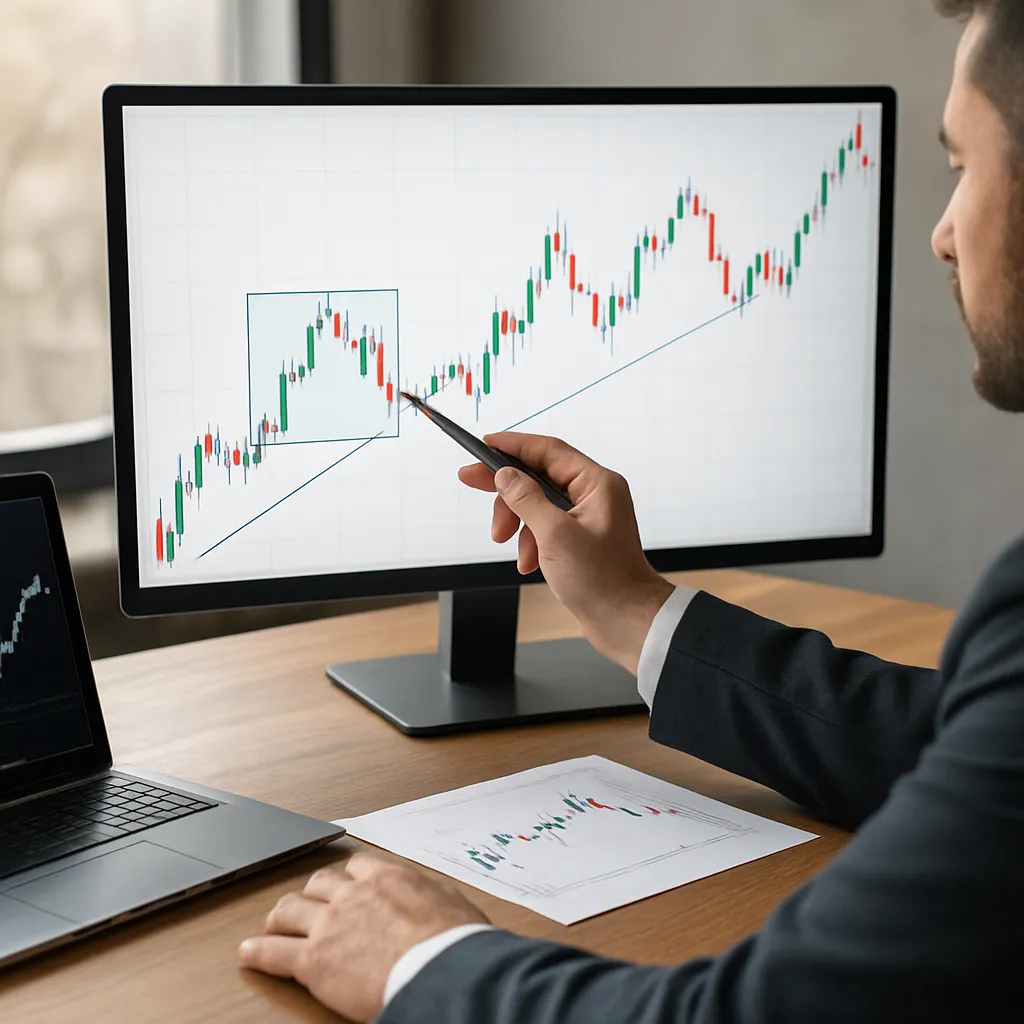
Chart patterns, trendlines, and oscillators help identify entry and exit points in currency trading. Popular tools include:
- Moving Averages: Crossovers can signal trend changes.
- Relative Strength Index (RSI): Identifies overbought or oversold conditions.
- Fibonacci Retracements: Highlight potential support and resistance levels.
Combining technical signals with a robust **strategy** can enhance timing and reduce exposure to adverse moves.
Fundamental Playbooks
Long-term investors focus on economic convergence stories. They analyze metrics such as productivity gains, structural reforms, and demographic trends. For example, a country implementing sound fiscal reforms and attracting foreign direct investment may experience currency appreciation over months or years.
- Perform a country scorecard: Assess political stability, legal frameworks, and macro resilience.
- Track progress on structural reforms, such as privatization or deregulation initiatives.
Hedging and Derivatives
Options, forwards, and futures contracts offer the flexibility to hedge exposures or express directional views. For instance:
- Buying currency call options limits downside risk while allowing participation in favorable moves.
- Entering into forward contracts locks in exchange rates for future business transactions.
Efficient use of these instruments can enhance return profiles and reduce vulnerability to sudden swings.
Managing Risk and Execution in FX Trading
Position Sizing and Leverage
Excessive **leverage** can amplify gains but also magnify losses in turbulent times. Prudent traders cap position sizes relative to account equity, typically risking no more than 1–2% per trade. This approach ensures capital preservation and the ability to weather temporary drawdowns.
Liquidity Considerations
Liquidity varies widely across emerging market FX pairs. Major crosses like USD/BRL or USD/TRY have relatively deep order books, but exotic pairs may exhibit wide bid-ask spreads and slippage. Always check daily traded volumes and typical **liquidity** during your operating hours.
Risk Controls and Monitoring
Automated alerts and predefined exit rules are critical. A robust risk management framework should include:
- Daily VaR (Value at Risk) limits to gauge potential loss under normal market conditions.
- Tail risk assessments for extreme, low-probability events.
- A stress-testing program simulating sudden currency shocks or interest rate changes.
Psychology and Discipline
Emotional control often separates successful traders from those who falter. Common pitfalls include:
- Overtrading after a string of wins.
- Holding onto losing positions out of hope for a turnaround.
- Chasing markets during heightened **volatility** without a clear edge.
Maintaining a detailed trading journal fosters accountability, highlights behavioral biases, and refines decision-making over time.
Building a Repeatable Process
Consistency in execution yields long-term success. A structured trading plan encompasses:
- Clear entry and exit criteria based on objective signals.
- Regular review of past trades to identify strengths and areas for improvement.
- Adaptation to evolving market conditions, such as shifts in monetary policy or changes in cross-border capital flows.
By coupling rigorous analysis with disciplined **execution**, investors stand a better chance of profiting from the dynamic world of emerging market currencies.