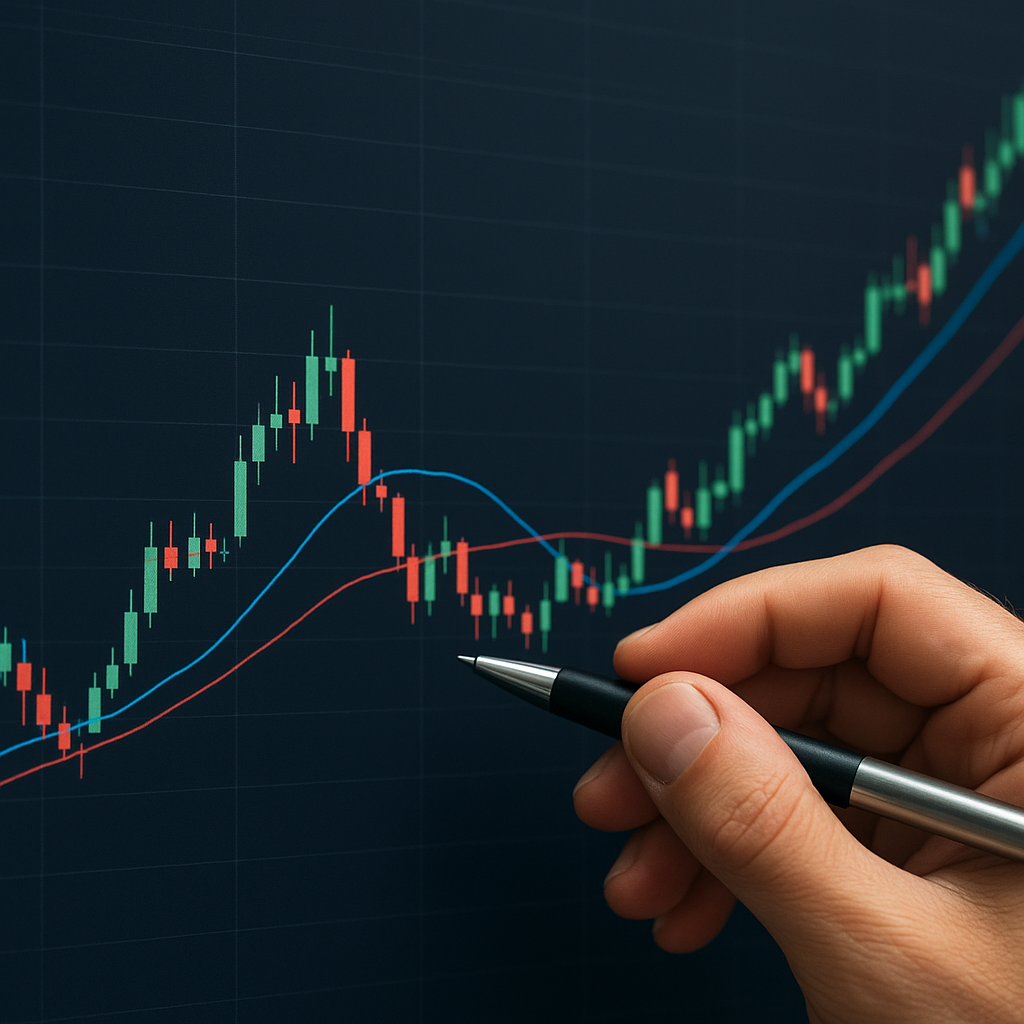
Mastering the interpretation of news releases is a cornerstone of successful currency investing. When central banks, governments, or major institutions announce policy shifts, economic forecasts, or geopolitical developments, the forex market often reacts with sharp volatility and abrupt changes in liquidity. This article delves into the mechanics of using these announcements to shape a robust trading strategy, combining timely analysis with disciplined risk management to generate consistent returns.
Understanding Market-moving News
Before deploying any capital, a trader must appreciate how different types of economic indicators and official statements influence currency pairs. Some of the most powerful triggers include:
- Central bank policy decisions (interest rate adjustments, quantitative easing updates)
- Employment reports (Nonfarm Payrolls, unemployment rates)
- Inflation data (Consumer Price Index, Producer Price Index)
- GDP announcements and business confidence surveys
- Geopolitical events (trade negotiations, elections, sanctions)
Each of these releases can create sudden surges in market activity. For example, an unexpected interest rate hike by a major central bank can strengthen its currency as traders adjust expectations for future yield differentials. In contrast, a dovish statement or a neutral press conference may trigger profit-taking and drive the pair in the opposite direction. Recognizing the type of report and its typical magnitude of impact allows traders to set realistic targets and stops.
Two crucial concepts underpin this understanding:
- Volatility clustering: High-impact releases often usher in periods of elevated price swings that can last minutes or hours. Traders should be prepared for sudden spikes rather than assuming a uniform drift.
- Correlation shifts: Currencies that usually move in sync with commodities or equities may decouple around major news. For instance, the Australian dollar might diverge from commodity prices during an RBA policy update.
By monitoring an economic calendar and classifying each event by expected significance, traders create a roadmap for the week. Coupling that with a clear awareness of historical market reactions—for example, mapping the average pip move following a US Core CPI release—lays the groundwork for a precision-driven approach.
Implementing News-based Trading Strategies
Once the landscape is clear, a variety of tactical approaches can exploit news-driven price action. Here are three popular trading strategy models:
1. Straddle Orders Around Key Releases
A straddle involves placing both buy and sell stop orders just beyond the expected range of pre-announcement price fluctuations. If the actual figure surprises the market, only one side is triggered, letting the trader ride the breakout.
- Determine the typical high-low corridor in the 30 minutes before the release.
- Set buy stops a few pips above the high and sell stops below the low.
- Place a predetermined risk management stop-loss close to the entry level; avoid emotional widening of stops during extreme spikes.
This method capitalizes on initial momentum and avoids guesswork about direction. However, slippage and liquidity gaps can erode profits, so it’s best confined to high-volume pairs like EUR/USD or USD/JPY.
2. Fade the Initial Spike
Contrarian traders sometimes choose to fade extreme moves once news has settled the first frenzy. The basic idea is that the market often overshoots fair value in the first few seconds to minutes.
- Wait for a clear reversal signal, such as a candlestick pattern or a technical analysis indicator crossing key levels.
- Confirm supportive volume data to ensure the retracement is genuine.
- Use tight stops because the next wave of momentum could resume the original trend.
While this approach can yield high reward-to-risk ratios, it demands a deep understanding of market microstructure and rapid execution capabilities, often via direct market access platforms.
3. Pre-positioning on Expectations
Experienced traders sometimes anticipate outcomes based on advanced fundamental analysis and position themselves before the announcement. This could involve:
- Examining consensus forecasts vs. proprietary models.
- Assessing the psychological positioning of institutional buyers and sell-side desks.
- Accounting for market sentiment metrics like CFTC Commitments of Traders or retail sentiment polls.
Because this method carries the risk of being wrong on direction, strict leverage constraints and layered entries can protect against adverse surprises. Partial exits at various tiers can lock in incremental gains if the release aligns with expectations.
Managing Risk and Execution Excellence
News trading amplifies both potential profits and potential losses. Effective risk management and flawless execution are non-negotiable pillars.
Position Sizing and Exposure Control
Never risk more than a small percentage of total capital on any single event—typically between 0.5% and 2%. High-impact announcements can trigger gaps that instantly wipe out a large chunk of margin. Adopting conservative position sizes preserves the ability to trade future opportunities.
Stop-loss and Take-profit Discipline
Define your exit levels before the entry:
- Stop-loss orders should reflect the maximum acceptable drawdown in light of the news’s historical range.
- Take-profit targets often correspond to the average magnitude of post-release moves or technical confluence zones (e.g., prior support/resistance).
Avoid the temptation to manually adjust stops during rapid swings; emotional decisions are a common cause of severe losses in volatile conditions.
Platform Reliability and Latency
During major releases, broker platforms can experience latency, requotes, or even outages. Select a provider with proven uptime records and robust liquidity partnerships. Some traders leverage direct connection via FIX API to minimize execution delays, especially when fading spikes or using precise bracket orders.
Post-event Review and Continuous Improvement
After each trade, document:
- Entry and exit points with timestamps.
- Actual vs. expected move magnitudes.
- Emotional state and any deviations from the plan.
This journal-based approach refines your strategy over time, illuminating which setups yield consistent edges and which ones incur hidden costs (slippage, widen spreads, requotes).
Leveraging Advanced Tools and Analytics
Beyond manual observation, traders can integrate advanced analytics to gain an edge:
- Automated news scanners that flag surprise levels in milliseconds.
- Sentiment algorithms parsing social media and news feeds for early hints.
- Machine learning models that correlate multi-market reactions (equities, bonds, commodities) to forex moves.
By combining these tools with disciplined capital allocation, you transform sporadic news events into systematic profit opportunities. Continuous research and backtesting ensure the model adapts to evolving market dynamics.