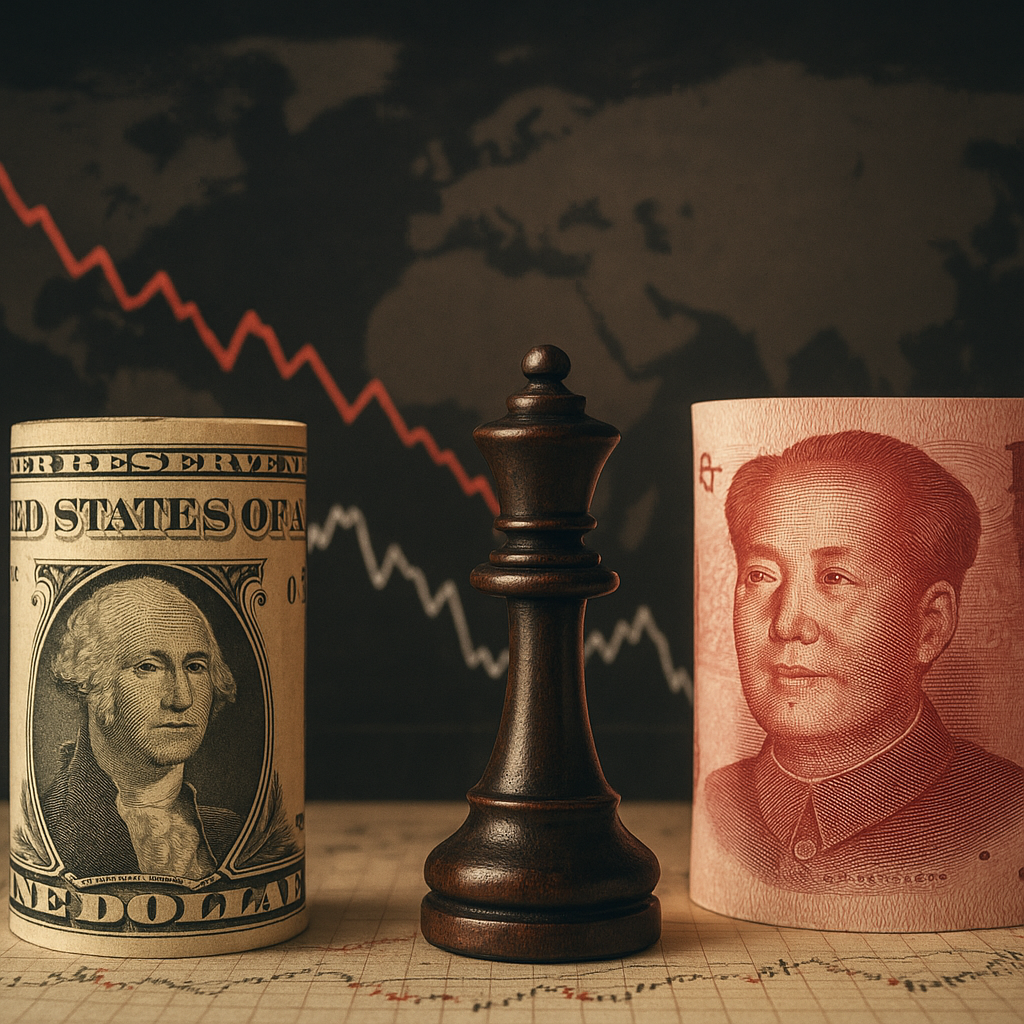
Understanding the dynamics between international trade disputes and currency valuations is essential for anyone involved in global finance. As escalating tariffs and retaliatory measures reshape supply chains and trade balances, investors and policymakers must monitor shifts in market sentiment, capital flows, and relative purchasing power across borders. This article explores how trade conflicts influence currency markets, examines responses by central banks, and outlines practical approaches for traders seeking to navigate heightened volatility.
Impact of Trade Disputes on Exchange Rate Volatility
When two major economies impose tariffs on each other’s goods, the direct effect extends well beyond import costs. Currency pairs begin to reflect anticipated changes in trade balances, as higher export duties can depress demand for an affected country’s currency. Conversely, safe-haven currencies often appreciate as investors seek refuge from policy uncertainty.
Key drivers of exchange rate swings during trade conflicts include:
- Shifts in projected current account balances
- Speculative positioning by hedge funds
- Changes in risk appetite and global liquidity
For example, the introduction of steep tariffs can lead to a weaker local currency because foreign buyers reduce purchases, shrinking demand for that nation’s financial assets. Meanwhile, currencies of economies seen as stable earn inflows, pushing their exchange rates higher. This effect can be amplified by algorithmic trading models programmed to react to every tweet or official statement related to the dispute.
Monetary Policy Adjustments and Central Bank Actions
As trade tensions escalate, central banks frequently step in to stabilize financial conditions. They may alter benchmark rates, engage in foreign exchange interventions, or launch asset purchase programs to smooth abrupt currency moves. The goal is often to prevent undesirable spillovers to inflation or economic growth.
Interest Rate Shifts
Lowering benchmark interest rates can cushion an economy against external shocks but risks further weakening the domestic currency. Conversely, tightening cycles may anchor exchange rate expectations but can dampen domestic growth. Policymakers must weigh:
- Growth outlook versus inflation pressures
- Import cost fluctuations
- Capital flow reversals
Foreign Exchange Intervention
Some central banks maintain sizable reserves for direct intervention. By selling stronger currencies and buying their own, they aim to counteract excessive depreciation. Such operations require transparent communication to avoid misinterpretation and potential policy clashes with trade partners.
Investor Strategies in Currency Markets Amid Trade Conflicts
For currency investors, navigating the stormy waters of trade wars demands both agility and disciplined risk management. Here are several strategies often employed:
- Carry Trades: Borrowing in low-yielding currencies and investing in higher-yielding ones, while hedging against rapid unwind risks.
- Options and Futures: Using derivatives to lock in favorable exchange rates or to cap potential losses.
- Safe-Haven Allocations: Increasing exposure to traditionally stable currencies like the Swiss franc or US dollar during flare-ups.
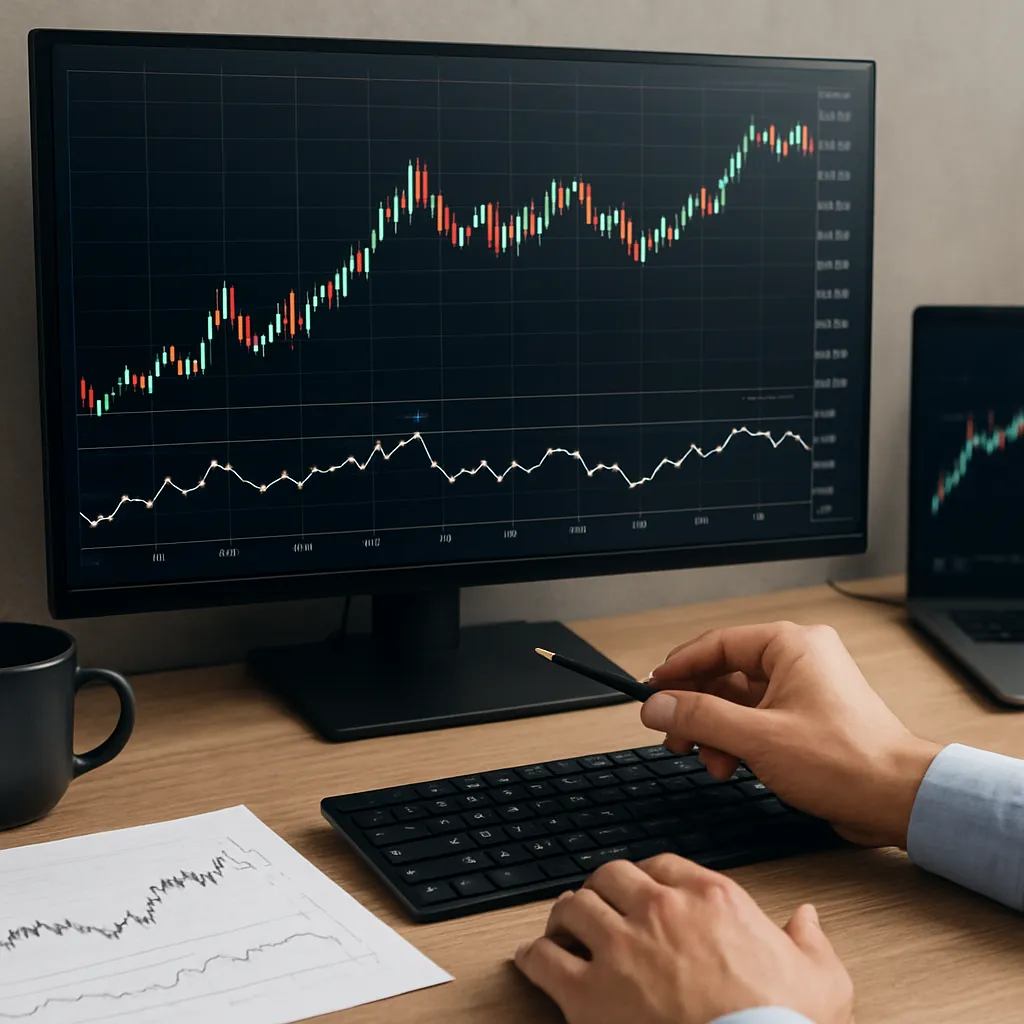
Piloting a hedged portfolio can include cross-asset correlations, as equity market declines often coincide with FX moves. Active traders also monitor macroeconomic releases—such as manufacturing PMIs and trade data—for early signals of policy shifts or unexpected escalations.
Risk Management and Diversification Techniques
Effective hedging and diversification are vital in mitigating the unpredictable nature of trade-driven currency swings. A robust approach may involve:
- Multi-Currency Baskets: Spreading positions across several pairs to dilute idiosyncratic risk.
- Volatility Stop-Loss Orders: Automating exits when predefined thresholds are breached.
- Correlation Analysis: Adjusting exposures based on dynamic relationships with commodities and equities.
Incorporating a disciplined review process ensures that strategic assumptions remain valid. Periodic stress tests against extreme scenarios—such as sudden tariff hikes—help quantify potential drawdowns and fortify decision-making for both institutional and retail participants.