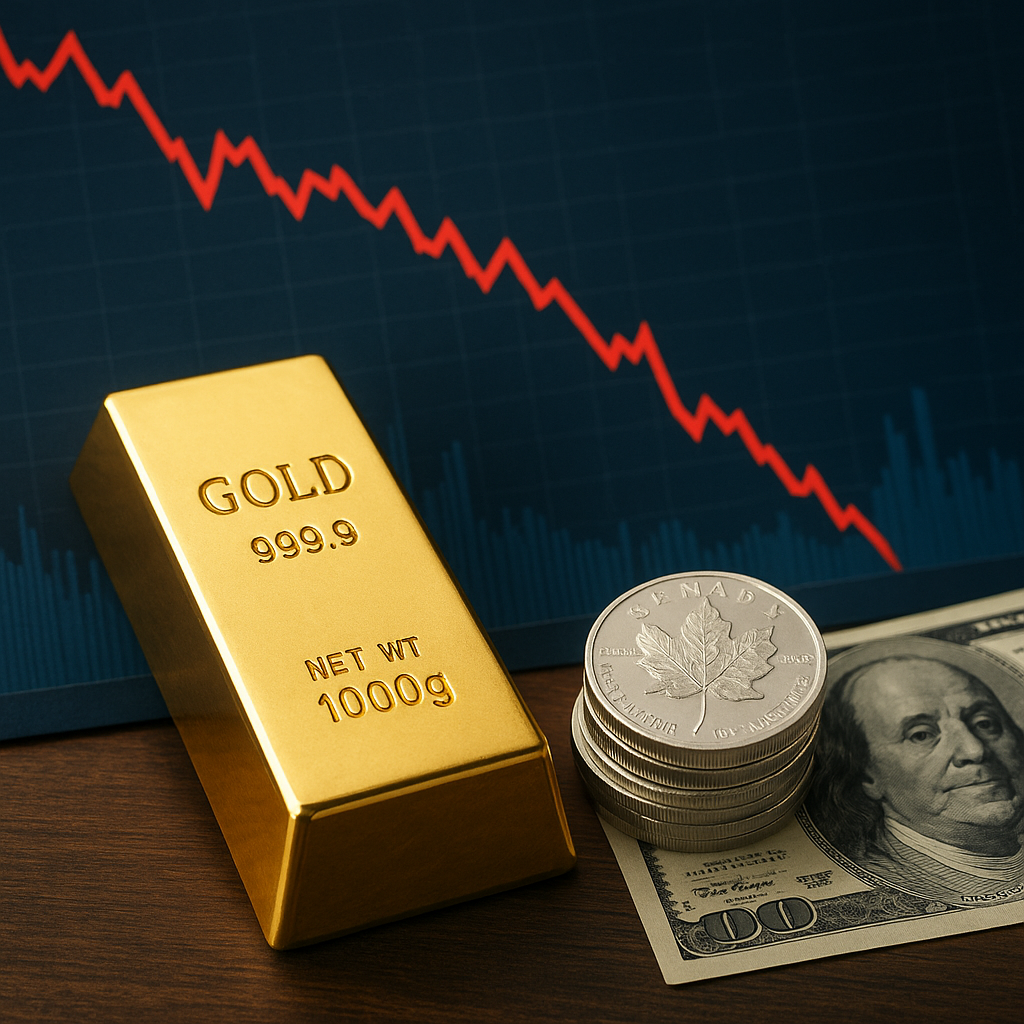
During periods of dramatic currency depreciation, investors often seek alternatives that can preserve value and limit downside exposure. Understanding how safe-haven assets function when national currencies falter is essential for anyone involved in currencies investing. This article delves into the mechanisms behind currency crashes, surveys the historical performance of key refuges, and outlines tactical approaches for integrating these assets into a broader diversification framework.
Understanding the Mechanics of Currency Crashes
Currency crashes typically result from a combination of unsustainable fiscal policies, political instability, and external shocks. When governments engage in excessive money printing or run large deficits, the value of a currency can plummet. At the same time, geopolitical tensions and global economic contractions may undermine investor confidence. The speed and severity of a crash are influenced by the degree of market volatility and the availability of alternative assets that absorb capital flows.
Monetary Policy and Inflation Spirals
Central banks often attempt to counteract a currency slump by raising interest rates, but this can backfire if it triggers a recession. Inflationary pressures may eventually spiral out of control, eroding purchasing power. In such environments, the search for assets with reliable intrinsic value intensifies, leading to capital outflows from affected currencies.
Capital Controls and Flight to Quality
Some nations impose liquidity restrictions to stem outflows, but these measures can accelerate the exodus of private capital once they are anticipated. Investors may transfer wealth into jurisdictions perceived as more stable, fueling a crisis of confidence in the native currency. This phenomenon underscores the importance of advance planning for risk mitigation.
Historical Case Studies of Safe-Haven Performance
Over the last century, certain assets have repeatedly demonstrated their ability to cushion portfolios in times of currency turmoil. By examining episodes such as Argentina’s hyperinflation in the 1980s and the Asian Financial Crisis of 1997, we can identify patterns that inform present-day strategies.
Gold: The Timeless Hedge
Gold has long been considered the ultimate reserve asset. Its physical scarcity and universal acceptance make it immune to credit risk. During the Argentine peso meltdown, gold prices soared as local investors sought refuge outside the collapsing peso. Similarly, in Southeast Asia, bullion outperformed regional equities and bonds by a significant margin.
The US Dollar and Swiss Franc Advantage
Both the US Dollar and the Swiss Franc have served as pillars of stability. The dollar benefits from its status as the world’s primary reserve currency, while the franc is backed by Switzerland’s prudent fiscal management and strong banking secrecy laws. During episodes of emerging market chaos, these currencies often appreciate against weaker counterparts.
Modern Strategies for Incorporating Safe-Havens
Implementing a robust defensive allocation requires a clear understanding of how each asset behaves under stress. Below are key considerations for constructing a resilient portfolio:
- Weighting: Determine an appropriate percentage for each safe-haven based on personal risk tolerance and investment horizon.
- Timing: Monitor macroeconomic indicators such as inflation rates, current-account deficits, and central bank balance sheets to gauge when to rotate into protection.
- Costs: Evaluate bid-ask spreads and storage fees, especially for physical bullion, as these can diminish net returns.
Currency Futures and Options for Dynamic Hedging
Derivatives offer a cost-effective method to hedging currency exposure without fully divesting from growth assets. Purchasing put options on a fragile currency or longing futures on the dollar can deliver targeted protection. However, these contracts require active management to avoid time decay and margin calls.
Digital Safe-Havens: Cryptocurrencies
Bitcoin and other digital assets have been touted as modern refuges from inflationary fiat systems. While their long-term track record is still under development, they offer high liquidity and decentralized settlement. Investors should, however, be wary of extreme price swings when considering digital tokens as part of a diversification strategy.
Balancing Risk and Reward
Allocating too heavily to defensive assets can cap upside potential, yet under-allocation leaves one exposed to sharp currency declines. The optimal mix varies across investors, but the following principles generally apply:
- Regular Rebalancing: Restore target weights after major market moves to capture gains from outperforming assets and redeploy them into undervalued ones.
- Stress Testing: Simulate scenarios such as a sudden 20% devaluation in a major currency and assess how the portfolio reacts.
- Liquidity Management: Maintain a portion in cash-equivalent instruments for quick deployment when new threats emerge.
By combining historical insights with contemporary tools, investors can engineer portfolios that demonstrate resilience in the face of currency catastrophes. Whether through physical holdings, financial derivatives, or emerging digital alternatives, the judicious use of safe-haven assets remains a cornerstone of prudent portfolio construction and risk management.