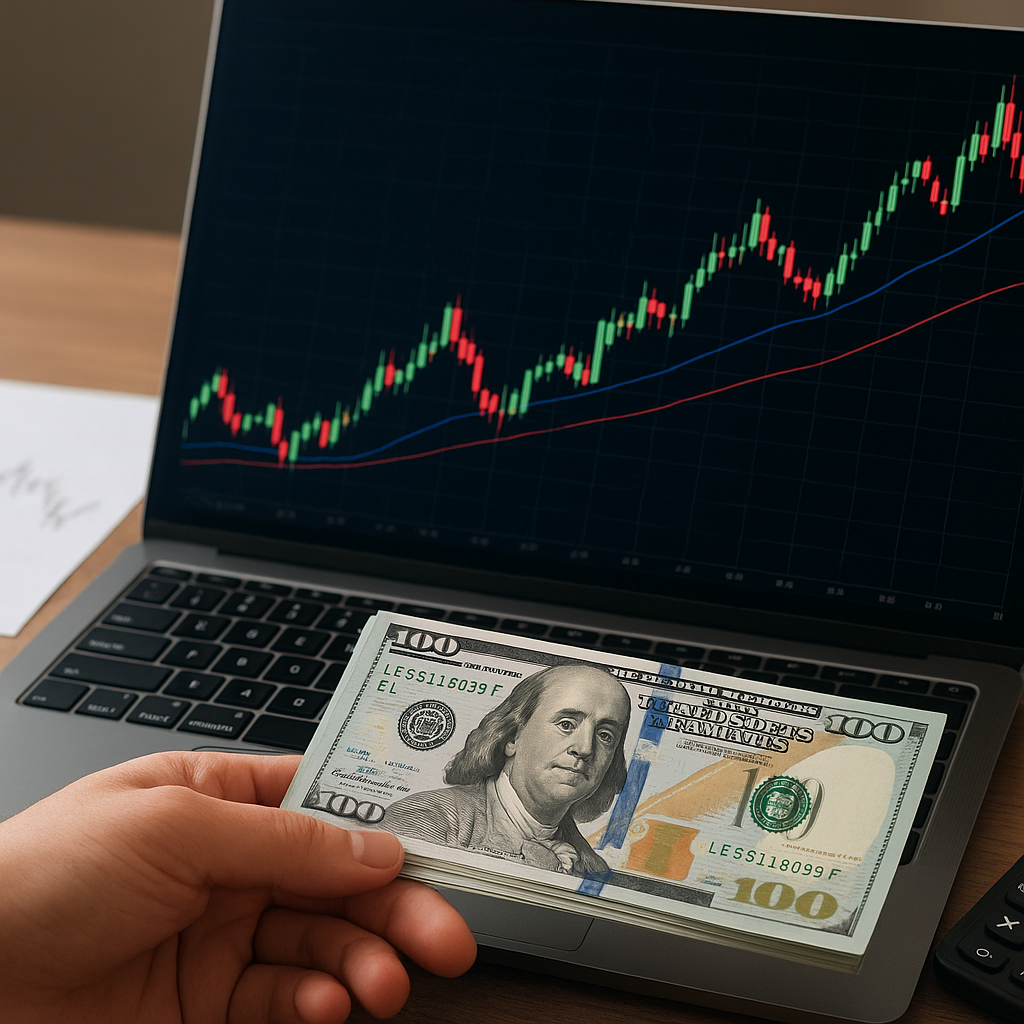
Trading currency pairs with high liquidity offers forex investors the advantage of tighter spreads, reduced slippage, and faster execution times. By focusing on the most actively traded pairs, traders can benefit from deeper market depth and smoother entry and exit points. However, success in trading these pairs requires an understanding of the underlying dynamics that drive liquidity, as well as effective risk management and robust execution strategies.
Understanding Liquidity in Forex Markets
In the world of foreign exchange, liquidity refers to the ease with which a currency pair can be bought or sold at stable prices. Highly liquid pairs exhibit tight spreads—the difference between bid and ask prices—which allows traders to enter and exit positions with minimal cost. Conversely, illiquid pairs often display wide spreads, unpredictable price swings, and a risk of slippage, where orders fill at less favorable prices than expected.
Key factors that influence liquidity include trading hours, economic calendars, and geopolitical events. Major financial centers such as London, New York, and Tokyo determine peak trading sessions when volume surges. Currencies tied to strong economies tend to attract higher volumes, making pairs like EUR/USD and USD/JPY more liquid. By contrast, exotic pairs involving emerging market currencies may suffer from thin order books and erratic price moves.
- Trading Volume: Daily turnover in forex exceeds $6 trillion, with major pairs accounting for the lion’s share.
- Market Depth: A deep order book means more buyers and sellers at various price levels, minimizing gaps.
- Volatility: While some volatility is essential for profit opportunities, excessive swings can erode execution quality.
Major Currency Pairs and Their Advantages
Major pairs are the most liquid combinations in forex, typically involving the US dollar and another leading economy’s currency. Examples include:
- EUR/USD
- USD/JPY
- GBP/USD
- USD/CHF
- USD/CAD
Trading these pairs offers distinct benefits:
- Tighter Spreads: Brokers often quote minimal spreads for majors, cutting down on transaction costs.
- Volatility: Major pairs strike a balance between stable trends and exploitable price movements.
- Transparency: Extensive analysis, news coverage, and corporate hedging activity ensure reliable data.
- Execution Speed: Electronic trading platforms handle high-frequency orders without significant lag.
- Hedging Opportunities: High correlation patterns enable efficient hedges across related pairs.
Strategies for Better Execution
Effective execution in high-liquidity pairs hinges on preparation and discipline. Below are several approaches to refine trade entries and exits:
1. Time Your Orders
Align your trading sessions with peak market hours. The London-New York overlap, for example, typically sees the highest trading volume and lowest spreads. Avoid placing large orders during thin periods such as the US afternoon lull or Asian holidays, when reduced participation can spike volatility.
2. Use Limit Orders
Market orders guarantee execution but expose traders to slippage in volatile environments. Instead, deploy limit orders near key support or resistance levels. This tactic helps lock in desired entry or exit prices and prevents chasing the market during rapid moves.
3. Leverage Technology
Choose a reputable trading platform equipped with advanced charting, one-click trading, and algorithmic options. Features like depth-of-market (DOM) displays reveal live bid-ask stacks, allowing you to assess hidden liquidity and optimize order placement accordingly.
4. Monitor Order Flow
Order flow analysis reveals the balance of buy and sell pressures. By identifying large institutional footprints, traders can anticipate breakouts or reversals. Integrating volume profiles and footprint charts uncovers imbalances, enabling proactive trade adjustments.
Managing Risk and Capital
While high liquidity offers smoother execution, it does not eliminate risk. Implementing solid risk management practices is paramount to long-term survival in forex:
- Position Sizing: Determine trade size based on account equity and tolerance for drawdown. A common guideline is risking no more than 1–2% of capital per trade.
- Stop-Loss and Take-Profit: Predefine exit points to guard against unexpected market shifts. Place stops outside normal volatility ranges but tight enough to cap losses.
- Correlation Analysis: Avoid overloading similar directional exposures. For example, EUR/USD and GBP/USD often move in tandem; offset risk by diversifying across uncorrelated pairs.
- Leverage: Use leverage judiciously. High-likelihood setups may tempt traders to increase size, but excessive leverage can quickly wipe out gains.
Leveraging Analytical Tools
Traders have access to a wealth of analytical instruments to enhance decision-making and execution quality:
- Economic Calendars: Track scheduled releases such as non-farm payrolls and central bank meetings, which can trigger spikes in volatility.
- Technical Indicators: Moving averages, Fibonacci retracements, and RSI help pinpoint trend directions and potential reversal zones.
- Heat Maps: Visualize currency strength and relative performance across a broad spectrum of pairs.
- Automated Strategies: Backtested algorithms can execute predefined rules with precision, eliminating emotional bias.
Implementing a Consistent Trading Plan
Beyond technical prowess, consistency is a hallmark of successful forex traders. Develop a comprehensive trading plan that outlines:
- Specific criteria for trade entry and exit
- Risk-reward objectives for each setup
- Daily review protocols to analyze performance
- Contingency measures for extraordinary events
Adhering to a disciplined framework ensures you can capitalize on high-liquidity opportunities without succumbing to emotional impulses. Periodic review and refinement of your plan enhance adaptive capacity in an ever-changing market landscape.
Conclusion
Mastering the trade of currency pairs with substantial liquidity demands a blend of strategic timing, precise order placement, and rigorous risk controls. By focusing on major pairs, leveraging advanced analytical tools, and adhering to a disciplined trading plan, investors can achieve superior execution and sustainable profitability in the dynamic forex arena.