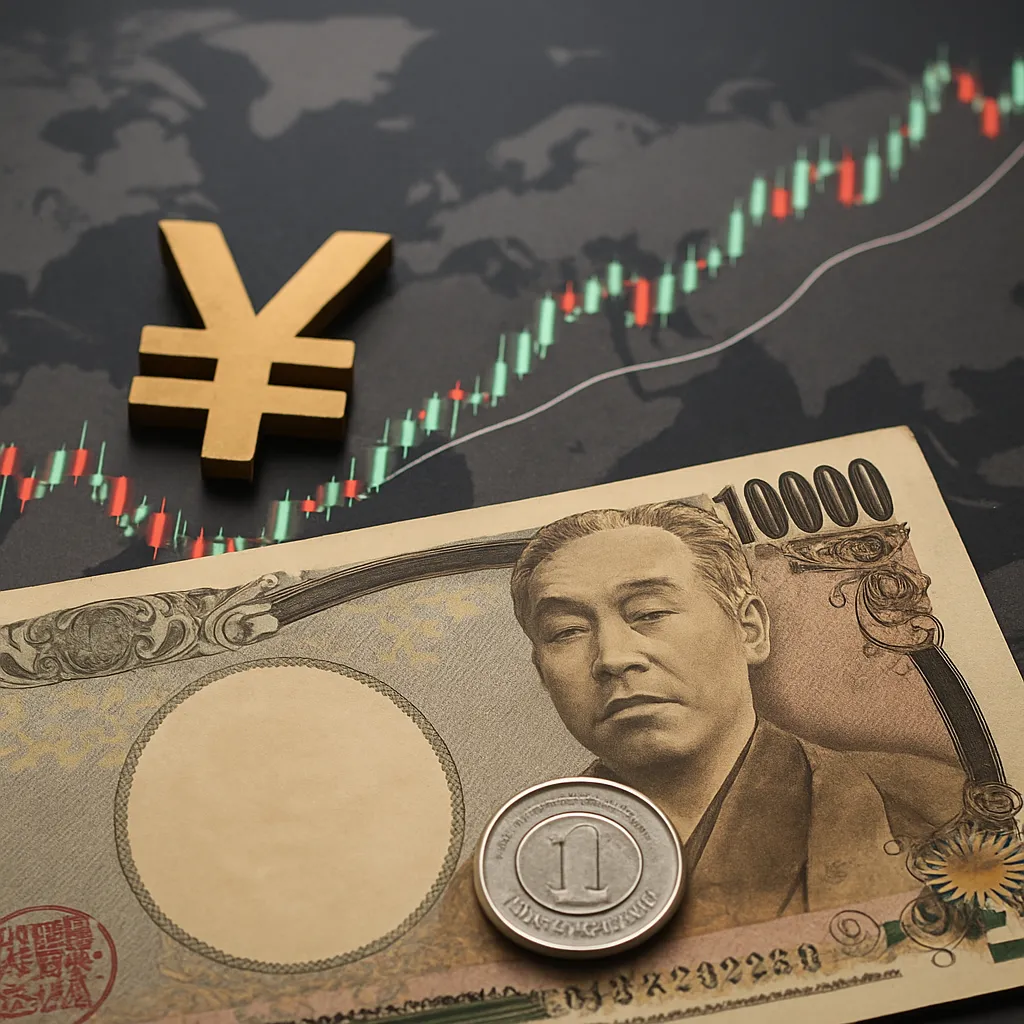
The Japanese Yen occupies a unique position within the global foreign exchange (Forex) market, often serving as both a barometer of global economic confidence and a key instrument for sophisticated investment strategies. Its behavior can reflect shifts in risk appetite, responses to monetary policy changes, and sudden moves in global trade flows. Understanding the multifaceted role of the Yen is essential for investors seeking to navigate the complexities of **volatility**, profit from the **carry trade**, or hedge portfolios with a recognized **safe-haven** asset. This article explores the historical underpinnings of the Yen’s prominence, the fundamental drivers that shape its movements, and practical approaches for currency investors engaging with JPY markets.
Historical Evolution of the Japanese Yen in Forex
The Yen was introduced in 1871 under the Meiji government, replacing the fragmented feudal currency system and aligning Japan with global standards by adopting a decimal structure. Initially pegged to silver, the Yen shifted to a **gold standard** basis in 1897. Following World War II, the Bretton Woods system fixed the exchange rate at JPY360 per USD, a rate that endured until the system’s collapse in 1971. When major economies transitioned to floating exchange rates by 1973, the Yen began trading freely, paving the way for increased market-driven fluctuations and earning its place among the top five most traded currencies.
From Fixed Parity to Free Float
The transition from a fixed peg to a floating regime unleashed a new era of foreign exchange speculation and hedging opportunities. As Japan rebuilt its economy, the Yen’s exchange rate began to reflect domestic inflation rates, trade surpluses, and rapid industrial growth. Financial centres in Tokyo and London gained prominence, facilitating deeper **liquidity** and tighter bid-ask spreads.
The Plaza Accord and Its Aftermath
In 1985, the Plaza Accord—a coordinated effort by G5 nations—sought to address the soaring US trade deficit by weakening the USD. The Yen appreciated sharply, doubling against the dollar within two years. While the intervention succeeded in rebalancing global trade, it also prompted domestic asset bubbles in Japan. The subsequent burst in the early 1990s led to prolonged deflationary pressures known as the “Lost Decade,” demonstrating how currency moves can have profound economic consequences.
Fundamental Drivers Behind Yen Fluctuations
Several core factors underpin the Yoshihide currency’s behavior, each presenting strategic entry and exit points for currency investors. Recognising when one driver outweighs another is crucial to crafting effective positions.
Interest Rate Differentials and Carry Trades
The Yen’s historically low interest rates made it the funding currency of choice for the famed **carry trade**. Investors borrowed cheap JPY and invested in higher-yielding assets denominated in currencies such as AUD or NZD. When global sentiment was positive, the Yen would weaken, rewarding carry traders. Conversely, sudden risk aversion could trigger rapid Yen appreciation as positions were unwound, inflicting painful losses on leveraged participants.
Safe-Haven Dynamics and Market Sentiment
During periods of geopolitical strife or financial turmoil, the Yen often benefits from its **safe-haven** reputation. Capital repatriation flows back to Japan, shrinking the supply of Yen in cross-border markets. This dynamic is tightly linked to broader **market sentiment**: data on equity indices, commodity prices, and global growth forecasts can precipitate sharp JPY rallies or sell-offs.
Policy Influence and Intervention Mechanisms
The Bank of Japan (BoJ) exerts substantial influence over the Yen through both conventional and unconventional tools. Investors closely watch BoJ communications and actions, as any sign of policy shifts can trigger sizable currency moves.
Direct Currency Market Interventions
Japan’s Ministry of Finance periodically intervenes to curb excessive Yen strength, especially when rapid appreciation threatens export competitiveness. These interventions can involve selling Yen and buying USD in large volumes. Such actions can temporarily distort normal supply-demand dynamics, catching unprepared investors off-guard.
Unconventional Monetary Policy Measures
Facing chronic deflation and social pressures to stimulate growth, the BoJ pioneered negative interest rates and massive asset purchase programs. By expanding its balance sheet aggressively, the central bank increased domestic liquidity, casting a long shadow over the Yen’s long-term valuation. Traders monitor metrics like the central bank’s treasury holdings and forecasted **monetary policy** meetings to anticipate JPY responses.
Investment Strategies for Currency Traders
Active participants in the Forex market employ various approaches to capitalize on Yen movements. Crafting a strategy involves aligning one’s risk tolerance with the predominant drivers at play.
- Macro Trend Analysis: Evaluate GDP growth differentials, trade balance trends, and inflation data between Japan and its peers to gauge broad Yen strength or weakness.
- Technical Trading: Use chart patterns, moving averages, and momentum indicators on USD/JPY, EUR/JPY, or GBP/JPY to fine-tune entry and exit points.
- Carry Trade Calibration: Adjust position sizes and leverage ratios based on the volatility environment. During calm markets, a higher exposure might be appropriate, whereas rising volatility calls for immediate de-risking.
- Hedging** and Correlation Plays: Pair Yen trades with other assets—such as equities or commodities—to achieve **diversification** and reduce idiosyncratic currency risk.
- Event-Driven Tactics: Trade around BoJ press conferences, global risk events, or major economic releases. Short-term straddles or strangles in Yen options can profit from anticipated volatility spikes.
Structural Challenges and Future Outlook
Moving forward, several long-term themes will shape the Yen’s trajectory, presenting both challenges and opportunities for sophisticated investors.
Demographic Headwinds and Economic Growth
Japan’s aging population and stagnant birth rate impose fiscal and growth constraints, limiting the scope for sharp currency appreciation. These demographic trends may maintain downward pressure on interest rates, keeping the Yen at historically low levels unless offset by productivity gains or immigration reforms.
Digital Currency Initiatives and Technological Evolution
The BoJ’s exploration of a digital Yen could revolutionise cross-border payments and settlement systems. A tokenised version of the currency might enhance transaction efficiency but also introduce new layers of market complexity. Traders will need to understand how digital liquidity pools interact with traditional Forex venues.
Geopolitical Dynamics and Reserve Currency Status
While the USD remains the world’s primary **reserve currency**, the Yen’s share in global foreign exchange reserves has been relatively stable. Shifts in global power balances—such as China’s growing financial footprint—could challenge the status quo. Collective actions by Japan and its allies might aim to preserve the Yen’s role in stabilising international trade and financial systems.