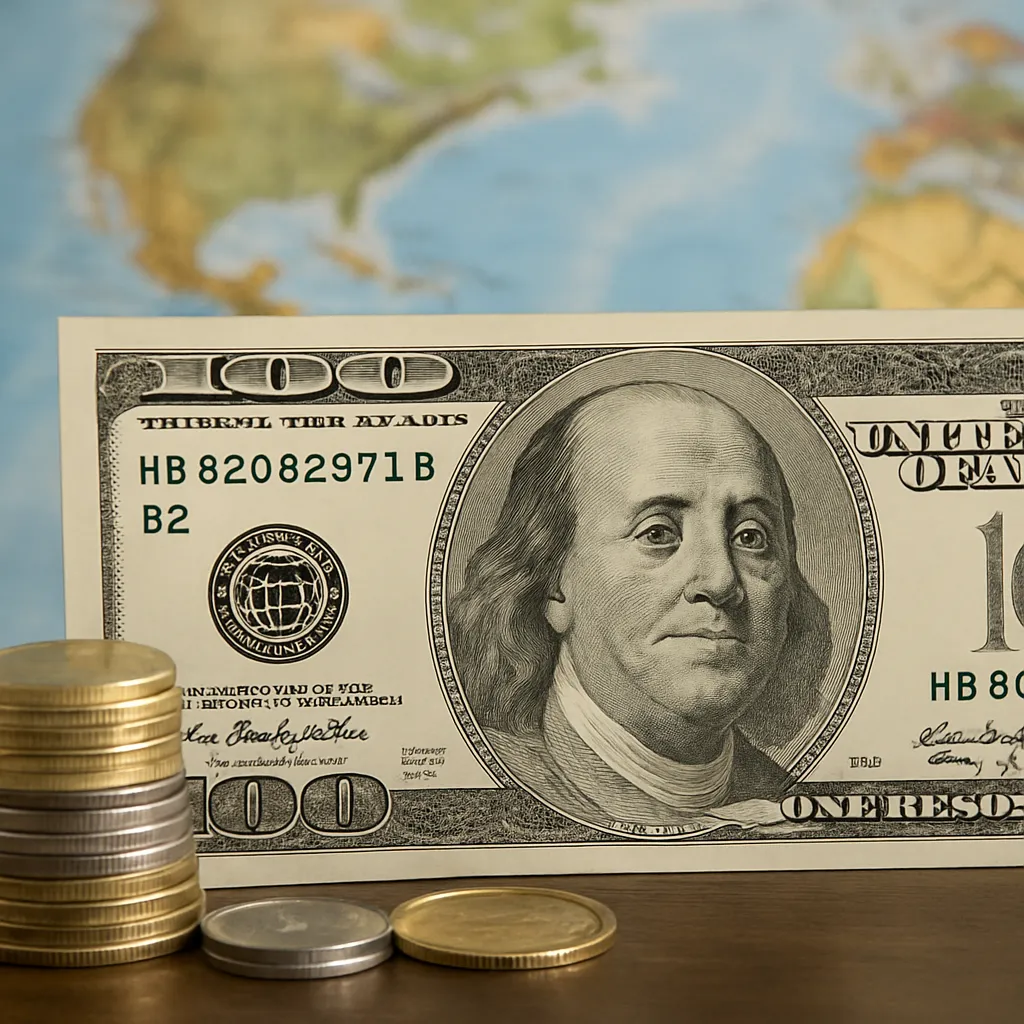
The interplay between the dollar and global markets shapes the landscape for investment decisions, portfolio allocations, and risk management. Currency fluctuations reverberate through commodities, equities, bonds, and emerging market debt, making the behavior of the dollar a central factor in strategic planning. This article explores the multifaceted effects of the greenback’s performance on international capital flows, offers insights into currency-focused investing, and outlines practical approaches to protect and enhance returns in the face of shifting exchange dynamics.
The US Dollar’s Global Influence
Historical Role of the Greenback
Since the mid-20th century, the dollar has served as the world’s primary reserve currency. Pegged to gold under the Bretton Woods system and later decoupled in 1971, the U.S. unit retained its dominance due to America’s economic size, deep financial markets, and political stability. Central banks globally hold vast reserves in dollars, underpinning trade finance and sovereign debt issuance in the greenback.
Exchange Rates and Trade Balances
When the dollar appreciates, U.S. exports become more costly abroad, pressuring manufacturers and agricultural exporters. Conversely, imports become cheaper for American consumers. A strong greenback can widen trade deficits but tame inflation by reducing import costs. Depreciation has the opposite effects, potentially boosting export volumes but stoking domestic price pressures. International businesses closely monitor exchange movements to adjust pricing, hedging strategies, and supply chains.
- Export sensitivity: High-volatility sectors like autos and aerospace
- Commodity pricing: Oil, gold, and industrial metals quoted in dollars
- Sovereign borrowing: Emerging markets repaying dollar-denominated bonds
Capital Flows and Emerging Markets
Sudden shifts in the dollar can prompt capital flight from emerging economies. When rates in the United States rise, yield-seeking investors rebalance toward U.S. Treasuries, generating cross-border volatility. Many developing nations have substantial dollar-denominated debt; depreciation of local units can exacerbate repayment burdens, fueling debt-servicing crises and currency collapses. Policymakers often respond with higher local interest rates, tightening conditions for domestic businesses.
Implications for Currency Investing Strategies
Active vs. Passive Currency Exposure
Investors can obtain currency exposure through multiple channels: FX spot trades, futures, options, currency ETFs, or by selecting funds that incorporate FX overlays. A passive stance involves hedging all non-dollar holdings to neutralize exchange risk, whereas active managers tactically adjust hedges to capitalize on directional moves.
- Passive hedging: Consistent currency risk reduction, predictable returns
- Active management: Potential for alpha but higher transaction costs
- Overlay solutions: Third-party firms manage FX positions separately from asset managers
Carry Trades and Interest Rate Differentials
The investment strategy known as the carry trade involves borrowing in low-yielding currencies and deploying proceeds into higher-yielding ones. When U.S. interest rates are relatively low, borrowing dollars to buy currencies like the Australian or New Zealand dollar can generate positive carry. However, sudden dollar strength or rate cuts can trigger sharp unwinds, leading to sizeable mark-to-market losses.
Correlation with Other Assets
Currency performance often correlates with other asset classes. A strong dollar can depress commodity prices—hurting resource exporters—while driving global equity valuations lower due to increased cost of capital. Meanwhile, U.S. bonds may offer safe-haven benefits, attracting inflows. Understanding these cross-asset relationships is key to constructing a resilient multi-asset portfolio.
Managing Risk and Opportunities
Hedging Techniques and Instruments
Risk-conscious investors deploy various tools to mitigate unfavorable exchange moves. For instance, forward contracts lock in rates for future transactions, while options provide asymmetrical payoffs—capping losses but leaving upside potential intact. Swaps allow for swapping cash flows denominated in different currencies, helping institutions match their liabilities and assets more effectively.
- Forwards: Customized, over-the-counter contracts
- Options: Vanilla calls and puts or exotic structures
- Swaps: Cross-currency and interest rate swaps
Strategic Asset Allocation Considerations
When the dollar exhibits extended strength, diversifying into hard assets—like gold or real estate—may preserve value, as these often serve as hedging instruments against currency depreciation. Conversely, a weakening greenback can boost returns from foreign equities when translated back into dollars. Balancing core holdings in U.S. Treasuries with international bonds and equities can smooth overall portfolio volatility and exploit favorable global trends.
Liquidity and Stress Testing
During periods of market stress, liquidity can evaporate, widening bid-ask spreads in FX and impacting execution. Active managers should simulate scenarios—such as sudden Fed rate hikes or geopolitical shocks—to assess potential risk exposures. Stress tests that integrate currency shocks help determine capital buffers required to withstand extreme conditions.
- Scenario analysis: Historical shock replicators (e.g., 2008 crisis, 2015 Swiss Franc event)
- Liquidity metrics: Depth of FX markets, open interest in futures
- Contingency plans: Predefined thresholds for de-risking steps
By understanding the myriad ways the U.S. dollar interacts with global markets—from trade balances to capital flows—investors can refine their strategies, better anticipate volatility, and protect portfolio liquidity. Whether through tactical hedging or dynamic allocation shifts, a clear grasp of currency dynamics remains indispensable for long-term investment success.