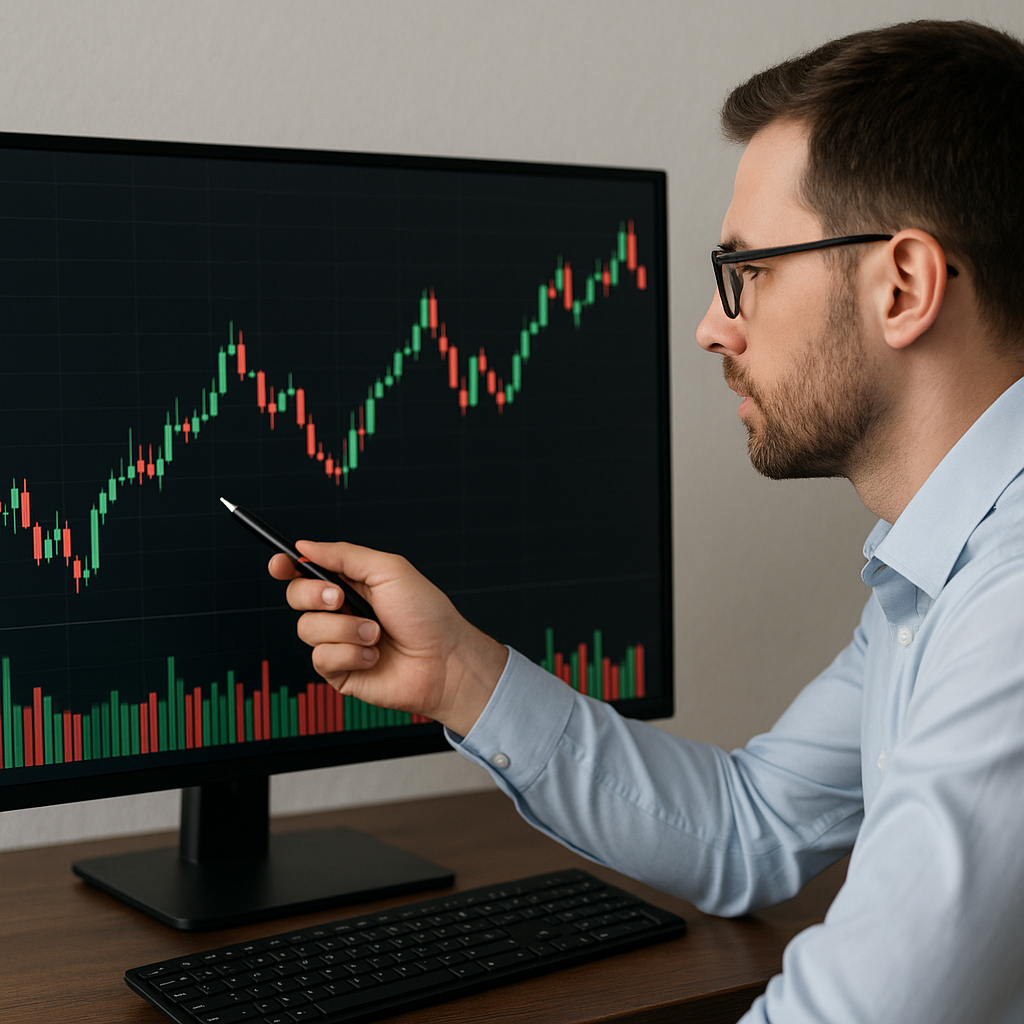
Central banks wield immense influence over global financial markets, and their decisions on interest rates can trigger significant movements in currency valuations. By understanding the mechanics behind rate changes and adopting disciplined strategies, investors can position themselves to ride the waves of market sentiment. This article explores key concepts, actionable tactics, and essential risk controls for profiting from central bank rate adjustments in the foreign exchange arena.
Understanding Central Bank Rate Decisions
Role of Monetary Authorities
Major institutions such as the Federal Reserve (Fed), the European Central Bank (ECB), and the Bank of Japan (BoJ) deploy monetary policy tools to maintain price stability and foster economic growth. When economic indicators—like inflation, employment figures, or GDP—deviate from targets, these authorities may raise or lower benchmark rates to steer the economy back on course. Rate hikes typically strengthen a currency as higher yields attract capital, while cuts can weaken it by reducing overseas demand.
Economic Indicators and Signaling
Central banks rely on a suite of indicators to gauge the health of an economy. Key metrics include:
- Consumer Price Index (CPI) and Producer Price Index (PPI) for inflation trends
- Unemployment rates and labor market participation
- Industrial production and retail sales for economic activity
- PMI surveys for business sentiment
Public statements and meeting minutes also offer insight into the future trajectory of policy. Savvy traders dissect speeches by officials and voting patterns on rate-setting committees to anticipate potential moves.
Strategies to Capitalize on Rate Changes
Interest Rate Differentials and Carry Trades
The carry trade is a classic approach where investors borrow in a low-yield currency and invest in a high-yield one. A rising rate environment can amplify profits by widening the yield gap. For example, if the BoJ maintains near-zero rates while the Reserve Bank of Australia hikes, AUD/JPY becomes a popular pair for capturing interest differentials.
Technical and Fundamental Confluence
Successful traders blend fundamental analysis—evaluating rate expectations and macro data—with technical analysis—observing patterns, support/resistance, and momentum indicators. A well-timed entry emerges when both schools align. For instance:
- A currency pair breaking a long-term trendline ahead of an anticipated rate hike.
- MACD crossover confirming bullish bias as central bank minutes reveal hawkish leanings.
Event-Driven Positioning
Major policy announcements and press conferences are high-impact events. Strategies include:
- Pre-announcement positioning: Building a directional bias based on consensus forecasts.
- Straddle options: Buying both calls and puts to capture volatility spikes.
- Post-announcement fade: Trading against exaggerated initial moves when overreaction occurs.
Risk Management and Execution Tactics
Leverage and Position Sizing
Forex markets offer significant leverage, which can magnify gains but also risks. Effective traders cap exposure to a small percentage of total capital—often 1–2% per trade—and adjust lot sizes based on volatility and stop-loss distance. This disciplined sizing preserves the ability to withstand sequences of losing trades without depleting the account.
Stop-Loss and Take-Profit Framework
Implementing a clear exit plan is vital. A common method is to place a stop-loss beyond a technical barrier, such as a recent swing high/low, while targeting a risk-reward ratio of at least 1:2. For rate-driven trades, volatility may surge; using wider stops or volatility-adjusted position sizing helps avoid premature stop-outs.
Hedging and Diversification
Even the most robust analysis can be upended by unexpected policy shifts. Incorporating diversification and protective hedges reduces single-event exposure. Techniques include:
- Pairing correlated trades: Long one currency pair while shorting another to neutralize directional risk.
- Using FX options to insure against adverse moves while retaining upside potential.
- Allocating a portion of the portfolio to low-volatility assets or cash during high-impact central bank weeks.
Tools and Indicators for Timing
Economic Calendars and Real-Time Data
Maintaining an up-to-date economic calendar is essential. Platforms such as Bloomberg or Investing.com provide release times, market consensus, and historical surprises. Real-time updates help traders adjust positions within seconds of data drops or policy statements.
Volatility Metrics
Watching the volatility index (VIX) for equities and corresponding implied volatility in FX options reveals market stress levels. A sudden spike in implied volatility around central bank events signals uncertainty, offering opportunities to sell overpriced options or deploy straddle strategies.
Order Flow and Sentiment Indicators
Order book data and sentiment gauges show where institutions and retail traders are positioned. If a currency is heavily crowded on one side, contrarian setups may emerge post-announcement as stop hunts trigger rapid reversals. Tools like the Commitment of Traders (COT) report highlight large speculative positions held by non-commercial traders.
Advanced Execution and Behavioral Considerations
Algorithmic and High-Frequency Approaches
Some market participants employ algorithmic systems to exploit millisecond advantages during central bank releases. While this realm requires advanced infrastructure and programming expertise, retail traders can still benefit from partial automation—triggering orders when specific volatility or price thresholds are met.
Emotional Discipline
Reaction to high-stakes announcements often leads to impulse trades. Maintaining a pre-defined plan, keeping a trading journal, and adhering to checklists ensure decisions remain rooted in analysis rather than emotion. A calm, methodical approach distinguishes profitable traders from those who suffer from risk management breakdowns.
Continuous Learning and Adaptation
Central bank frameworks evolve. Unexpected events—like emergency rate cuts or unorthodox guidance—reshape the landscape. Regularly reviewing historical episodes, backtesting new hypotheses, and adapting strategies to changing policy regimes keep traders ahead of the curve.