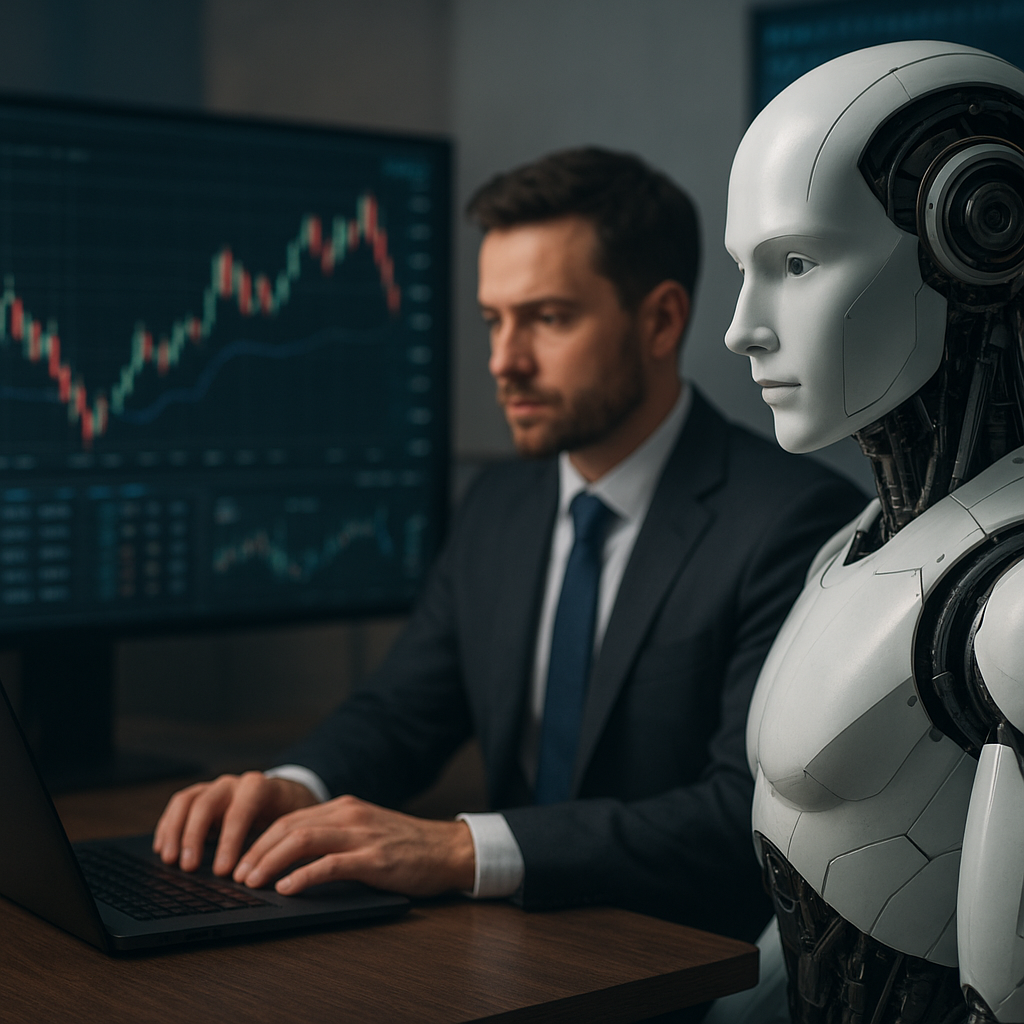
The rapid intersection of cutting-edge technology and global currency markets is reshaping how traders approach foreign exchange. Advances in machine learning, data processing, and computational power have given rise to sophisticated bots that can execute trades faster and with greater precision than ever before. This article explores the transformative potential of these intelligent systems and examines the forces driving the next generation of forex trading solutions.
Evolution of Forex Trading Landscape
Forex markets have long been dominated by human intuition, discretionary strategies, and experience-driven decision-making. Over the past two decades, however, institutional players began incorporating electronic platforms and basic algorithm-based systems to automate routine tasks. High-frequency trading and electronic communication networks (ECNs) accelerated the shift away from manual order entry, making trade execution almost real-time. As latency became a critical factor, developers focused on optimizing connectivity and data feeds. This laid the groundwork for the integration of advanced artificial intelligence into currency investing.
Today’s investors can tap into tools that analyze vast historical data sets, recognize patterns, and adapt to shifting market regimes without human intervention. The maturation of cloud infrastructures and low-cost computing resources has democratized access to these capabilities, empowering even retail participants to deploy complex models once reserved for hedge funds and proprietary trading desks.
Integration of AI and Machine Learning
The core of modern trading bots lies in their ability to learn from data. Supervised learning techniques train models on labeled price movements, while unsupervised clustering algorithms detect hidden relationships among currency pairs. Reinforcement learning agents refine strategies by receiving feedback based on profit and loss outcomes. Deep neural networks have proven particularly adept at capturing nonlinear dependencies and volatility clusters that traditional statistical methods might miss.
- Time series forecasting through predictive analytics to anticipate trend reversals
- Natural language processing for sentiment analysis of central bank statements and news feeds
- Adaptive risk controls that recalibrate position sizing under changing market conditions
By fusing these approaches, AI-powered systems continuously upgrade their internal models, eliminating static rule sets that underperform during regime shifts. This dynamic learning cycle represents a significant leap from earlier generations of fixed-logic bots.
Key Technologies Driving Future Development
Several breakthroughs are converging to accelerate the next wave of innovation:
- Automation pipelines that streamline data ingestion, feature engineering, and model retraining
- Edge computing nodes that reduce round-trip times to major trading venues
- Advanced backtesting frameworks capable of simulating millions of hypothetical scenarios
- Blockchain-based recordkeeping for transparent audit trails
- Quantum-inspired optimization techniques for portfolio allocation
With these tools, bot designers can explore a broader universe of strategies, from statistical arbitrage to carry trades and volatility harvesting. The ability to process alternative data—such as satellite imagery, credit card spending, and social media signals—further enhances model sophistication.
Benefits and Challenges of AI-Powered Bots
When properly implemented, AI trading bots deliver numerous advantages:
- Enhanced execution speed that exploits fleeting price inefficiencies
- Improved risk management through automated stop-loss and position-sizing rules
- 24/7 market monitoring without emotional biases
- Scalable strategies that adjust to varying liquidity conditions
- Quantifiable performance metrics and reproducibility
However, complexities arise in model validation, data quality, and overfitting. Poorly calibrated bots may misinterpret sudden surges in volatility or liquidity droughts, leading to outsized drawdowns. The “black box” nature of deep networks can obscure decision pathways, making it difficult to diagnose underperformance or systemic risks.
Strategies for Implementing AI Trading Bots
Successful deployment hinges on a robust framework:
- Rigorous out-of-sample testing and stress simulations against historic crisis events
- Modular architecture that separates signal generation, execution logic, and risk controls
- Continuous monitoring dashboards tracking P&L, slippage, and latency metrics
- Regular model updates informed by recent market behavior
- Redundancy and failover systems to maintain uptime during infrastructure disruptions
Traders should also define clear performance benchmarks and exit criteria. By aligning bot objectives with overall portfolio goals, firms can ensure that automated strategies complement human oversight rather than compete with it. Applying key metrics such as Sharpe ratio, maximum drawdown, and hit rate helps quantify efficacy and guide iterative improvements.
Regulatory Landscape and Ethical Considerations
As AI-driven trading proliferates, regulators are scrutinizing algorithmic conduct more closely. Requirements for transparency, risk disclosures, and circuit breakers aim to prevent flash crashes and market manipulation. Developers must document model assumptions, backtesting methodologies, and data sources to comply with jurisdictional mandates.
Ethical questions also surface around fairness and market integrity. Large-scale deployment of similar AI strategies could erode diversification benefits and amplify herd behavior. Responsible innovation demands that industry participants collaborate with oversight bodies to craft policies that foster both growth and stability.
Emerging Trends and Investment Opportunities
The future holds exciting possibilities. Hybrid systems combining quantitative signals with discretionary overlays may offer the best of both worlds. Integration of voice-activated interfaces and augmented reality dashboards will make strategy management more interactive. Meanwhile, decentralized finance platforms promise to unlock new currency instruments and liquidity pools.
Ultimately, mastery of these technologies will distinguish successful investors in an increasingly automated environment. Those who embrace continuous learning, robust validation, and ethical design principles are poised to harness the full potential of AI-powered forex trading bots.