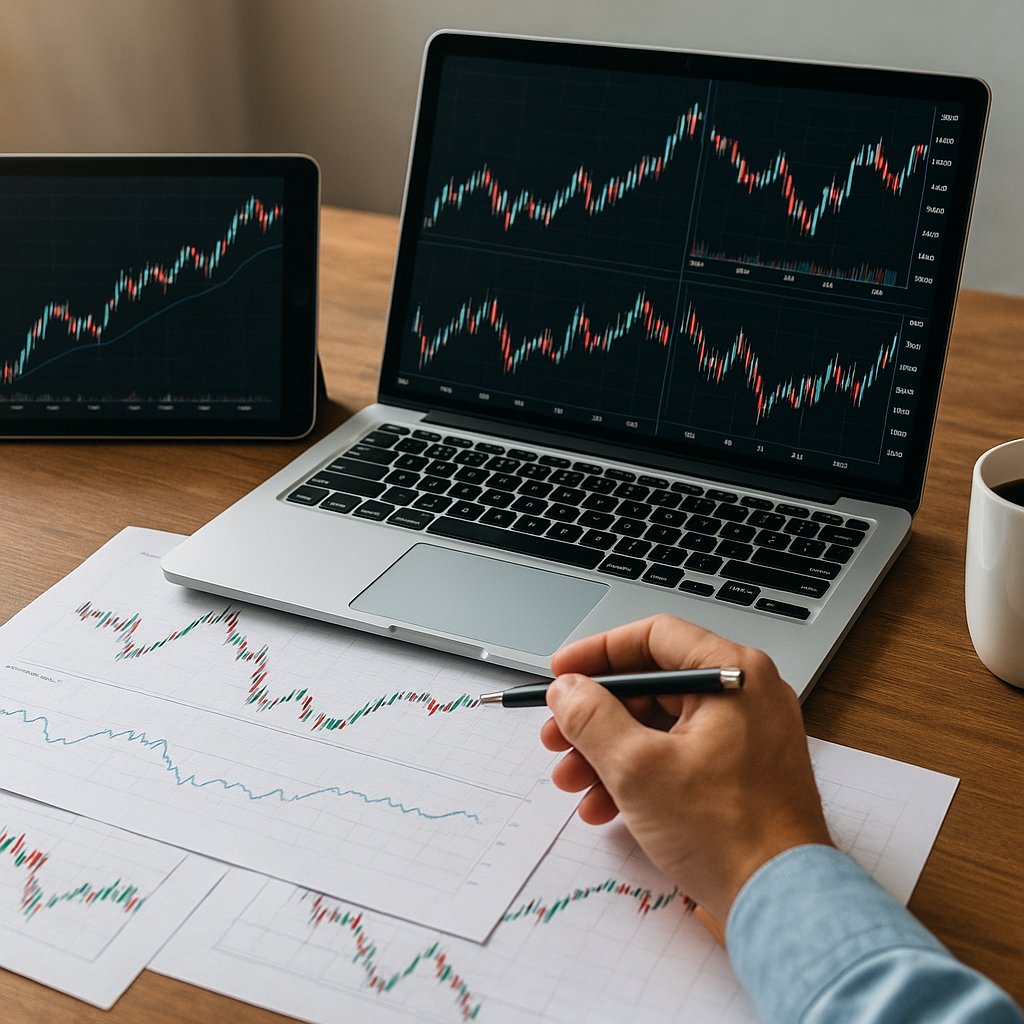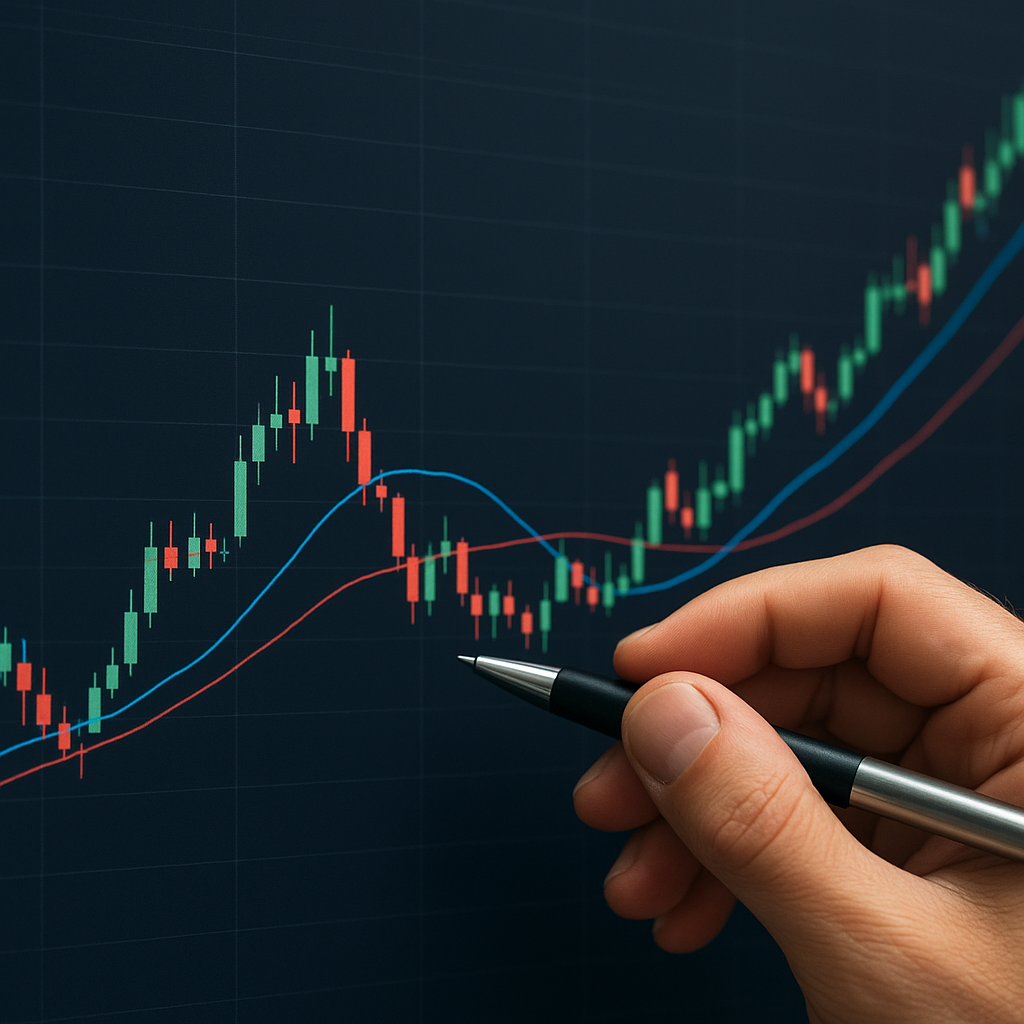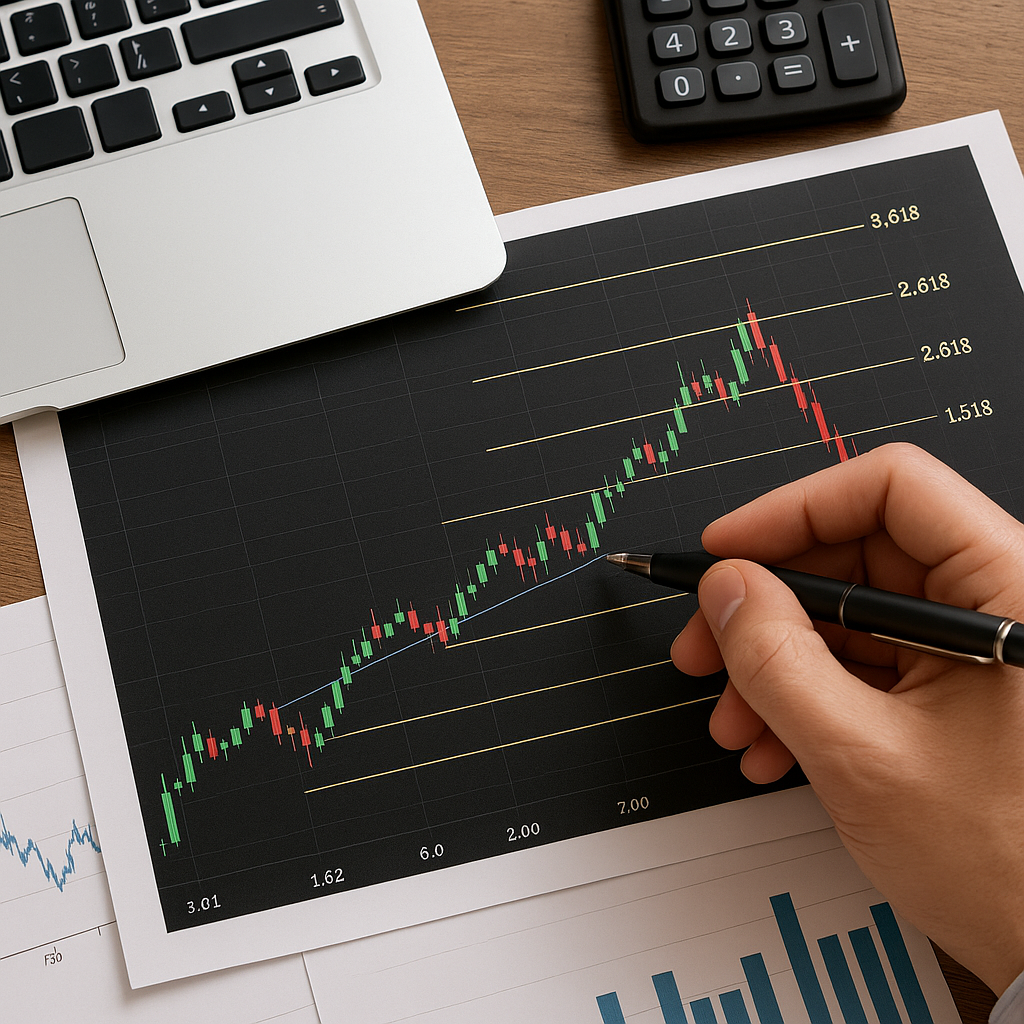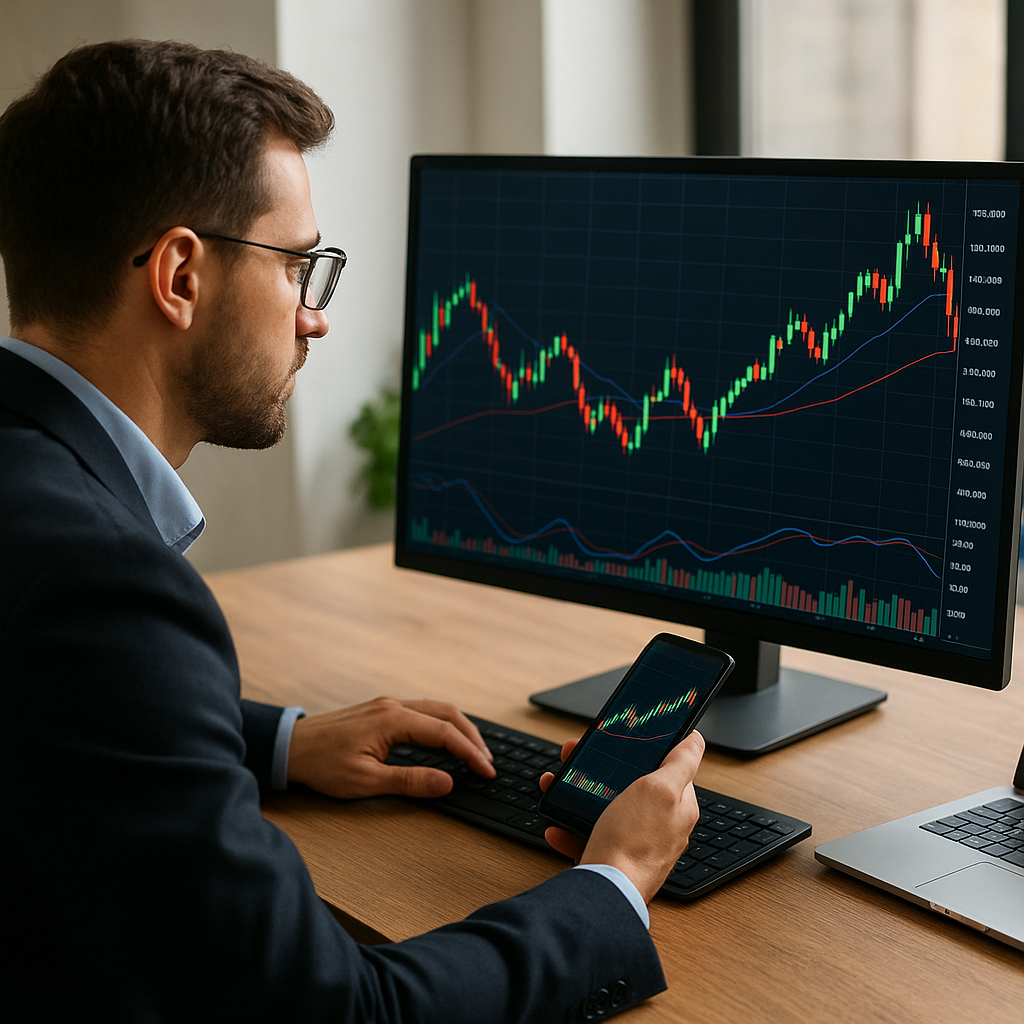
Advancements in the foreign exchange market have reshaped how traders and institutions access and interact with currency pairs. Technology-driven solutions extend beyond mere convenience, enabling sophisticated strategies, improved risk management, and deeper market insights. By harnessing cutting-edge tools, participants can capitalize on tight spreads, real-time data, and seamless order execution to navigate the ever-changing FX environment.
Market Accessibility Through Digital Platforms
Online trading platforms have democratized access to the FX market, breaking down traditional barriers imposed by geography and capital requirements. Retail investors now enjoy features once reserved for major banks and hedge funds:
- Intuitive user interfaces with customizable dashboards
- Real-time streaming quotes and interactive charts
- Low-cost or commission-free trading models leveraging liquidity pools
- Mobile apps for on-the-go positions management
With reduced latency and high-speed connectivity, traders can monitor price movements and execute orders within milliseconds, ensuring competitive entry and exit points. Integration with news feeds and social sentiment indicators further enriches the trading environment, allowing participants to react swiftly to announcements and geopolitical events impacting currency volatility.
Algorithmic Trading and Automation
Automation has emerged as a game changer in modern forex operations. Rule-based systems and artificial intelligence engines can process vast datasets, identify market inefficiencies, and trigger trades in fractions of a second. Key benefits include:
- Backtesting strategies across historical data sets
- Adaptive rules adjusting to shifting market regimes
- Execution algorithms reducing slippage and improving execution speed
High-frequency trading (HFT) firms employ ultra-low-latency infrastructure, co-locating servers near major financial centers to shave microseconds off trade cycles. Meanwhile, retail-oriented algorithmic solutions provide drag-and-drop interfaces for customizing trading bots. By incorporating machine learning, these systems refine parameters over time, constantly optimizing for risk-adjusted returns.
Automation also fosters enhanced portfolio diversification. Traders can simultaneously run multiple strategies across diverse currency pairs, balancing exposure and mitigating the impact of individual market shocks. This multi-strategy approach was once impractical due to the manual oversight required, but technology has rendered it feasible and cost-effective.
Risk Management Tools and Analytics
Effective risk control is foundational to any trading endeavor. Modern FX platforms offer a suite of analytical modules designed to monitor, measure, and mitigate potential losses:
- Real-time margin and exposure tracking
- Scenario analysis with stress-testing capabilities
- Value-at-Risk (VaR) calculators and correlation matrices
- Custom alerts for margin calls, unwarranted drawdowns, or sudden price swings
Advanced charting tools integrate statistical overlays, enabling traders to spot emerging trends and correlation shifts. Market scanners filter symbols based on volatility, breakout patterns, or divergence signals. By applying quantitative models, investors can gauge potential outcomes under various market conditions, thereby reinforcing discipline and adherence to risk parameters.
Data visualization plays a crucial role in making complex metrics digestible. Heatmaps illustrate currency strength across major economies, while candlestick pattern recognition highlights reversal or continuation setups. Integration of third-party APIs streamlines data aggregation from central banks, economic calendars, and sentiment indexes—allowing for a consolidated view of the factors driving currency movements.
Emerging Innovations: Blockchain, AI, and Beyond
As the FX landscape evolves, novel technologies promise to redefine transaction processing, settlement, and security. Decentralized finance (DeFi) initiatives leverage distributed ledger frameworks, potentially reducing counterparty risk and enabling peer-to-peer currency swaps without traditional intermediaries.
- Smart contracts automating trade settlement upon pre-defined conditions
- Tokenization of fiat currencies to improve cross-border payment efficiency
- Integration of oracles for real-world price validation
Artificial intelligence continues to push boundaries, with sentiment analysis scanning social media, forums, and news outlets to generate predictive indicators. Natural language processing models sift through unstructured text, assigning impact scores to announcements that historically influence interest rate expectations and capital flows.
Cybersecurity remains paramount as threats to data integrity and platform stability intensify. Multi-factor authentication, end-to-end encryption, and real-time breach detection systems form the backbone of secure environments. Robust architecture ensures fault-tolerance and redundancy, minimizing downtime and protecting sensitive client information.
Looking ahead, interoperability between traditional FX markets and emerging digital asset ecosystems will foster new trading pairs and broaden investment horizons. Market participants who embrace these technological shifts—prioritizing low-latency connectivity, comprehensive analytics, and fortified security measures—will be best positioned to capitalize on the next frontier of currency investing.