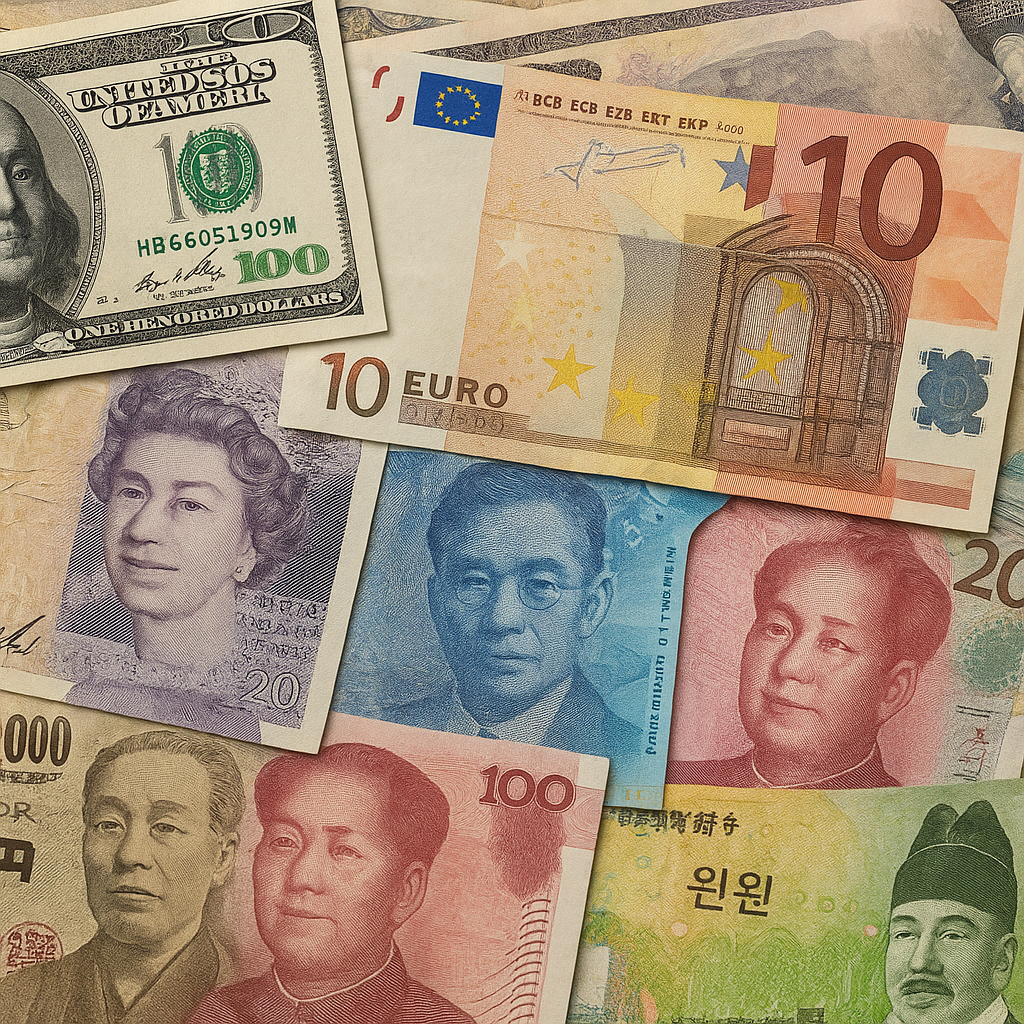
As economic landscapes evolve and geopolitical tensions shift, investors are increasingly focused on the currency markets. With 2025 on the horizon, understanding which currencies will offer growth, stability, and opportunities for diversification is essential. This guide highlights the top ten currencies to watch next year, examines the drivers behind their performance, and outlines strategies for smart currency investors.
Global Economic Shifts Shaping Currency Performance
Central banks around the world are adjusting monetary policy in response to persistent inflation pressures and uneven growth. The interplay between fiscal stimulus, commodity markets, and supply chain disruptions will continue to create volatility in FX markets. Investors seeking to navigate these waters must recognize the impact of geopolitical tensions, from trade disputes to regional conflicts, on currency valuations.
At the same time, some economies are building resilience through sound fiscal management and technological innovation. Nations heavily reliant on energy exports or tourism may face headwinds if global demand shifts. Meanwhile, low-debt countries with robust trade surpluses could see their currencies appreciate as capital flows gravitate toward safer havens. Understanding these macro trends is key to identifying which currencies may outperform.
Another critical factor is the rise of digital payments and central bank digital currencies (CBDCs). As more central banks pilot digital versions of the franc, yen, or euro, the nature of cross-border transactions will change, potentially affecting traditional FX liquidity. Investors should monitor developments in digital reserves, tokenization platforms, and blockchain-based settlement systems, which may create new opportunities and liquidity pools.
Top 10 Currencies to Watch in 2025
-
1. US Dollar (USD)
The USD remains the world’s primary reserve currency. Despite occasional pullbacks driven by dovish comments from the Federal Reserve, the greenback benefits from deep financial markets and strong demand for safe-haven assets. Investors should watch for shifts in Fed policy, job data, and the US budget deficit, which will influence dollar strength.
-
2. Euro (EUR)
The eurozone’s recovery trajectory and the European Central Bank’s policy stance are crucial. A stronger domestic rebound, coupled with a modest inflation uptick, could prompt the ECB to tighten. However, political risks in member states and energy dependence remain headwinds. The EUR’s reaction to German and French elections will be telling.
-
3. Japanese Yen (JPY)
After years of negative interest rates, the Bank of Japan has signaled a gradual normalization. Should inflation surpass the BOJ’s 2% target sustainably, the yen could appreciate. Additionally, Japan’s export strength and foreign direct investment inflows may support the currency. Watch bond yields and yield curve control announcements closely.
-
4. British Pound (GBP)
Post-Brexit trade deals and UK growth dynamics will shape the pound. A combination of tighter monetary policy and fiscal consolidation could bolster the GBP. Conversely, supply chain constraints and any political volatility around Westminster may undermine its appeal. GDP data and Bank of England minutes will be key catalysts.
-
5. Canadian Dollar (CAD)
As a commodity-linked currency, the CAD moves in tandem with oil and metals. If global demand for energy stays robust, the loonie should benefit. Canada’s prudent fiscal management and stable banking system add to its allure. Investors should track OPEC decisions and US-China trade relations for clues on commodity prices.
-
6. Swiss Franc (CHF)
The franc is a classic safe haven, enjoying capital inflows during periods of market stress. Switzerland’s strong current account and low public debt underpin its stability. Any escalation in global conflicts or financial market sell-offs could push the CHF higher. Option-implied volatility and SNB interventions are important data points.
-
7. Australian Dollar (AUD)
Australia’s currency is influenced by commodity exports, particularly iron ore and coal. A rebound in Chinese industrial activity would support the AUD. Domestic factors such as housing market health and RBA policy tightening also matter. Traders should monitor Australian GDP and central bank minutes.
-
8. Chinese Yuan (CNY)
China’s managed float regime and capital controls make the yuan’s moves more complex. However, efforts to internationalize the CNY, growing bond issuance to foreign investors, and improvements in trade balance could drive gradual appreciation. Watch PBOC guidance, export trends, and US-China negotiations.
-
9. Indian Rupee (INR)
India’s rapidly expanding economy, growing digital payments adoption, and structural reforms provide a solid foundation for the rupee. Strong foreign direct investment inflows and a narrowing current account deficit could lift the INR. Key indicators include RBI policy decisions and monsoon forecasts.
-
10. Brazilian Real (BRL)
Brazil’s emerging market currency offers high yield but comes with higher risk. A recovery in commodity prices, especially soy and iron ore, along with fiscal reforms, could boost the real. Political stability and Central Bank of Brazil rate decisions will determine near-term moves. Traders must gauge election outcomes carefully.
Strategies for Smart Currency Investors
Successful currency investing requires more than picking a promising currency; it demands disciplined risk management and a clear framework. Consider the following approaches:
- Diversification: Spread exposures across multiple currencies to reduce idiosyncratic risk. Pair high-yield emerging market currencies with low-volatility safe-haven assets.
- Hedging: Use forwards, futures, or options to lock in exchange rates and protect against adverse moves. A well-structured hedge can preserve capital in turbulent markets.
- Fundamental Analysis: Monitor macroeconomic indicators, central bank statements, and fiscal data. Understanding a country’s balance of trade, debt levels, and political climate is crucial.
- Technical Analysis: Identify trends and key support/resistance levels using chart patterns and momentum indicators. Technical signals can aid timing decisions.
- Position Sizing: Allocate capital based on conviction levels and volatility forecasts. Avoid overexposing portfolios to a single currency or theme.
- Event Risk Awareness: Mark economic calendars for central bank meetings, elections, and major data releases. Market reaction to surprises can be severe.
- Adaptive Time Horizons: Employ short-term trades for quick opportunities and maintain core medium-term positions tied to structural trends.
By focusing on these principles and the top ten currency stories outlined above, investors can navigate the FX markets with greater confidence and pursue attractive returns in 2025.