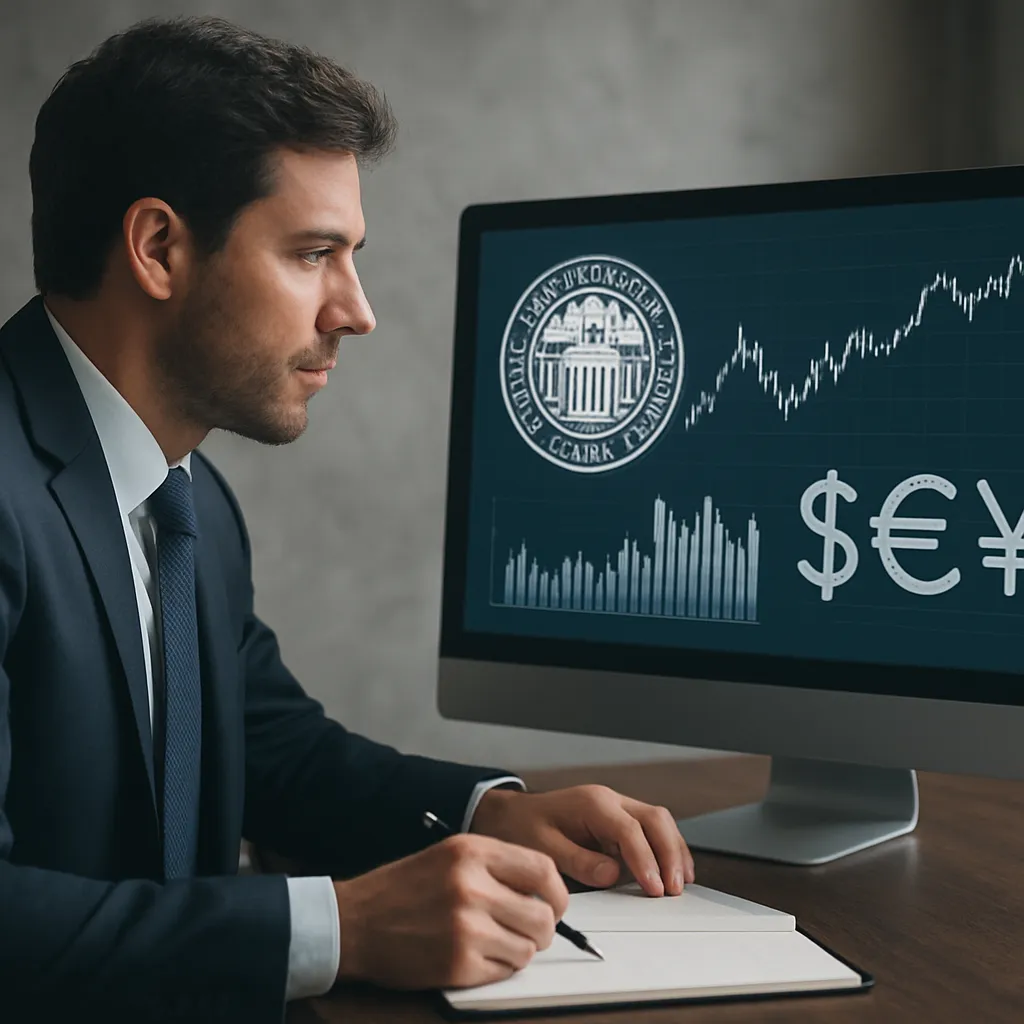
The interplay between global equity markets and foreign exchange rates presents a multilayered tapestry of opportunity and challenge for investors. By examining how major stock indices influence currency valuations, traders can craft more nuanced strategies that account for shifts in investor sentiment, capital flows, and macroeconomic policies. This article delves into the mechanisms connecting equity benchmarks with currency fluctuations, highlights key market drivers, and outlines practical approaches for currency investors seeking to harness these relationships.
Understanding the Dynamics Between Stocks and Currencies
At its core, the relationship between stock indices and currency movements hinges on capital allocation. When international investors purchase equities in a particular market, they must first convert their home currency into the local currency of that market. Such demand can lead to appreciation of the target currency. Conversely, large-scale equity sell-offs may trigger currency depreciation as investors repatriate funds.
Several factors mediate this connection:
- Interest Rate Differentials: Central banks’ rate decisions influence both stock valuations and currency yields. Higher rates can bolster a currency but may also reduce equity multiples.
- Risk Sentiment: In risk-off phases, investors flock to safe-haven assets like the US dollar or Swiss franc, often selling weaker equity markets in emerging regions.
- Liquidity Conditions: Excess liquidity, driven by quantitative easing or fiscal stimulus, tends to inflate asset prices across the board and can weaken the currency through greater money supply.
- Macroeconomic Data: GDP growth, inflation, and employment figures simultaneously steer equity performance and FX valuations, creating synchronized moves.
Understanding these drivers allows traders to monitor leading indicators—such as shifts in index futures or bond yields—to anticipate currency trends before they fully materialize.
Major Stock Indices and Their Currency Impacts
Not all indices exert the same influence on forex markets. Differences in market capitalization, sector composition, and foreign investor participation shape each index’s currency footprint. Below, we explore four prominent benchmarks:
S&P 500 and the US Dollar
The S&P 500, representing large-cap US equities, is often viewed as a barometer for global risk appetite. When the S&P 500 rallies on strong corporate earnings or dovish Federal Reserve policies, the resulting influx of foreign capital can boost the USD. Conversely, if the index tumbles amid tightening or profit warnings, the dollar may weaken as traders chase higher-yielding assets elsewhere.
Nikkei 225 and the Yen
Japan’s Nikkei 225 attracts significant overseas investment due to its exposure to technology and export-driven sectors. A sustained uptrend in the Nikkei often correlates with yen strength, as foreign buyers convert currency into yen to acquire shares. However, interventions by the Bank of Japan or global risk-off events can disrupt this linkage.
Euro Stoxx 50 and the Euro
The Euro Stoxx 50 aggregates leading companies across the eurozone. Its performance signals the health of Europe’s corporate sector. Surprising beats in earnings or robust PMI data can lend support to the EUR, while political uncertainties or dovish ECB guidance may spark depreciation.
MSCI Emerging Markets Index and Local Currencies
Emerging market equities are highly sensitive to global liquidity and US monetary policy. A surge in the MSCI EM Index can drive appreciation of multiple currencies such as the Brazilian real, South African rand, and Turkish lira, whereas tightening in advanced economies often triggers capital flight and sharp volatility.
Strategies for Currency Investors Based on Stock Trends
By correlating equity momentum with FX movements, investors can employ several actionable frameworks:
- Cross-Asset Momentum: Identify stocks or sectors exhibiting strong trending behavior, then pair them with currencies showing similar directional strength for momentum trades.
- Carry Trades Aligned with Equities: Combine high-yielding currencies with regions where local stock indices are outperforming, capturing interest differentials and potential capital gains.
- Hedged Equity Exposure: Use currency forwards or options to hedge undesired FX risk while maintaining long equity positions, effectively isolating market performance.
- Correlation Breakout Signals: Monitor the historical correlation between an index and its home currency; significant departures may signal entry points for contrarian or breakout strategies.
- Macro Thematic Plays: Align trades with broader themes—such as shifting manufacturing hubs or commodity supercycles—that drive both equity valuations and currency demand.
Implementing these tactics requires robust risk management tools, including stop-loss orders and position sizing models, to address sudden market reversals and maintain capital preservation.
Risks and Considerations
While the equity-FX nexus presents opportunities, traders must remain aware of potential pitfalls:
- Correlation Breakdown: Relationships that held historically may weaken during crises or regime shifts.
- Leverage Hazards: Currency markets often permit high leverage, amplifying both gains and losses.
- Policy Interventions: Central banks can intervene in FX markets or adjust regulatory frameworks, producing unexpected moves.
- Data Revisions: Initial economic releases may be revised, altering the perceived outlook for stocks and currencies.
To navigate these challenges, investors should maintain diversified portfolios, continuously stress-test scenarios, and stay informed on geopolitical developments that may reshape cross-asset linkages.
By integrating insights from both equity and currency markets, sophisticated investors can craft more comprehensive strategies that capitalize on the dynamic flow of global capital. This cross-asset perspective enriches decision-making and opens the door to refined approaches in currencies investing.