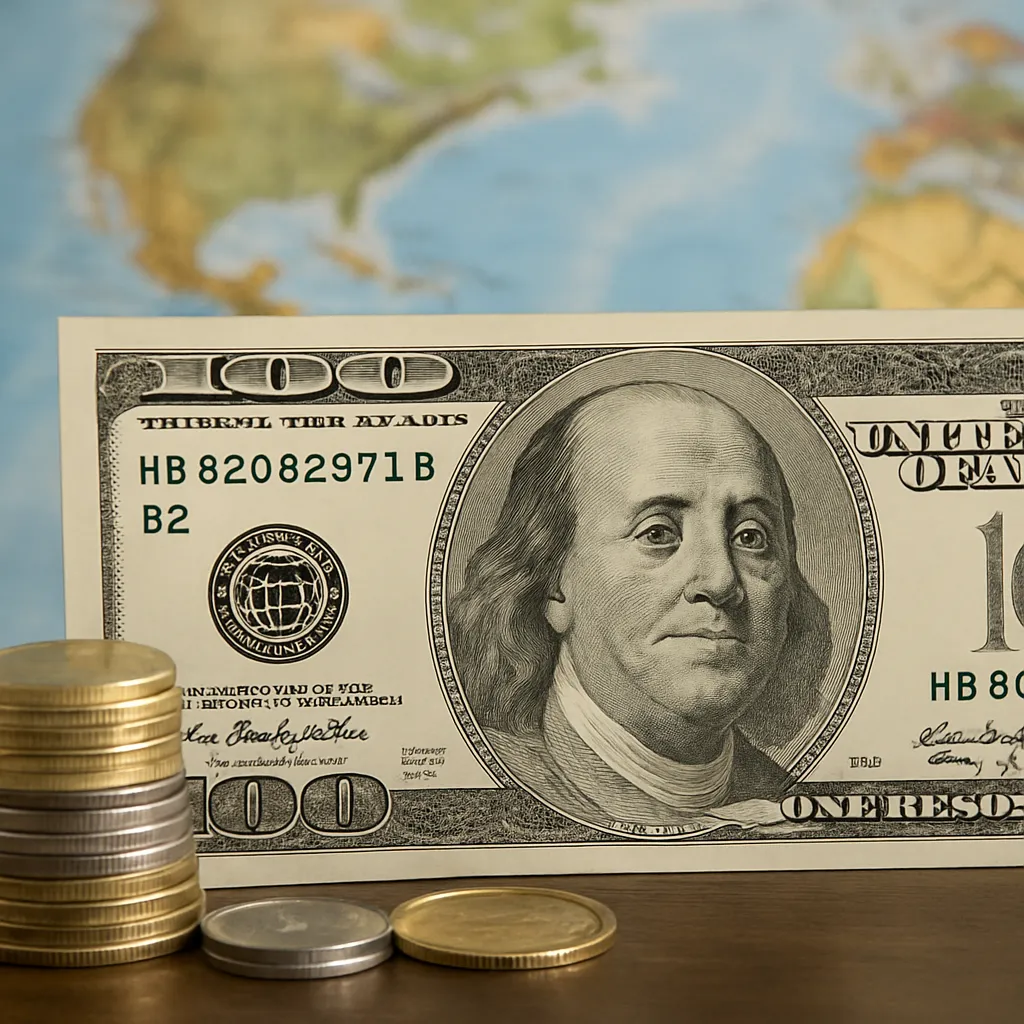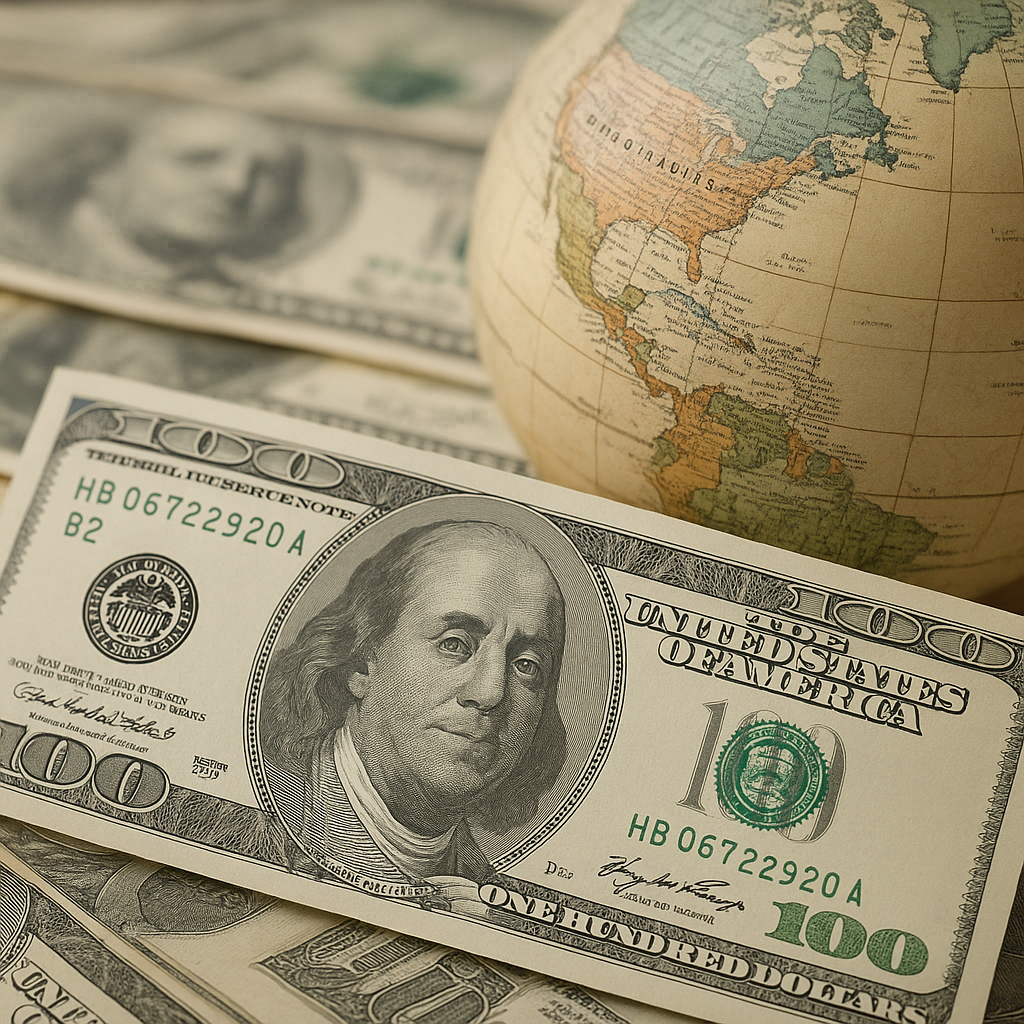
The United States Dollar stands at the center of the international monetary system, underpinning global commerce and finance. Its ascent to dominance didn’t occur overnight but emerged from a confluence of historical events, economic strategies, and institutional frameworks. Investors, policymakers, and corporations continue to place vast amounts of capital into assets denominated in the USD, reflecting deep-rooted confidence in its role as the leading reserve currency.
Historical Foundations of USD Supremacy
From Bretton Woods to Floating Exchange Rates
In 1944, the Bretton Woods Conference established a new monetary order. Participating nations pegged their currencies to the USD, which in turn was convertible into gold at $35 per ounce. This arrangement cemented the dollar’s status as the world’s anchor. Even after the U.S. suspended gold convertibility in 1971, the network of existing confidence and institutional frameworks ensured that no competing currency could easily dislodge the USD.
Post-War Reconstruction and Industrial Might
The U.S. emerged from World War II with intact infrastructure and booming industrial production. European and Asian economies, heavily damaged by conflict, relied on American goods and capital for reconstruction. By financing the Marshall Plan and offering attractive lending terms, the U.S. reinforced the dollar’s centrality in trade and investment flows.
Structural Advantages of the US Dollar
Depth and Liquidity of Financial Markets
- The Treasury bond market is the largest and most liquid debt market in the world, facilitating the seamless issuance and trading of government securities.
- Derivatives, swaps, and repurchase agreements denominated in USD offer investors diverse instruments to hedge, speculate, or obtain financing.
Monetary Policy Credibility
The Federal Reserve’s dual mandate—price stability and maximum employment—has fostered a reputation for predictable monetary policy. While critics point to episodes of high inflation, the Fed’s institutional independence and transparent communication strategies reinforce trust. When global investors seek capital preservation or yield, U.S. Treasuries and dollar deposits remain front and center.
Safe-Haven Status
During periods of geopolitical tension or financial market turmoil, the USD often strengthens as investors flock to a perceived safe-haven. This pattern was evident during the 2008 global financial crisis and the market volatility in early 2020. The flight to quality bolsters the dollar’s demand, further entrenching its international role.
Network Effects and Widespread Use
- Invoices for commodities such as oil, gold, and agricultural products are predominantly settled in USD. This “petrodollar” system locks in demand for dollars among producing and consuming nations alike.
- A significant share of emerging-market debt is dollarized, meaning borrowers issue bonds in USD to secure lower interest rates and appeal to international investors.
Challenges and Future of the USD as the Reserve Currency
Emerging Competitors
The Euro, Renminbi (RMB), and digital currencies have been touted as potential challengers. The Eurozone’s single currency benefits from a large economic bloc, yet political fragmentation and divergent fiscal rules limit its full adoption. China’s RMB inclusion in the IMF’s Special Drawing Rights basket in 2016 marked progress, but capital controls and questions about rule of law dampen its appeal.
Geopolitical and Technological Risks
Sanctions and trade wars have led some nations to explore alternatives, including bilateral currency swap lines and blockchain-based payment systems. While these innovations could reduce reliance on the USD, they also underscore why many governments still prefer a well-understood and regulated currency over nascent solutions.
Domestic Fiscal and Debt Dynamics
The U.S. federal debt has ballooned over decades, raising concerns about long-term fiscal sustainability. However, high demand for Treasuries keeps interest rates relatively low. Should confidence in U.S. fiscal management erode, the dollar’s status could face pressure. For now, the interplay between debt levels and persistent global demand maintains a delicate equilibrium.
Strategies for Currency Investors Navigating USD Dominance
Diversification and Hedging
Investors seeking exposure to non-USD currencies often employ currency forwards, options, or futures to hedge exchange rate risk. A balanced portfolio might combine U.S. assets with emerging-market bonds hedged back into dollars, preserving yield without unwanted volatility.
Yield Arbitrage and Carry Trades
- In low-interest environments, investors borrow in USD to finance higher-yielding assets elsewhere. Known as a “carry trade,” this strategy profits from the interest rate differential, but can be vulnerable if the dollar unexpectedly strengthens.
- Active managers monitor Federal Reserve signals closely, adjusting positions in anticipation of shifts in monetary policy.
Safe-Haven Allocation
During periods of stress, reallocating capital into U.S. short-term bills or money-market funds provides liquidity and capital preservation. Though yields may be modest, the stability benefit is often worth the trade-off.
Emerging Currency Opportunities
Some investors adopt a tactical stance toward currencies like the Japanese Yen or Swiss Franc, which also exhibit safe-haven characteristics. Others explore dynamic macro funds that leverage quantitative models to rotate capital among developed and emerging currencies based on valuation, momentum, and volatility signals.
Conclusion on USD’s Enduring Appeal
The United States Dollar retains its preeminence through a blend of historical legacy, unparalleled market depth, and robust institutional frameworks. While alternatives and technological advances present theoretical challenges, the practical inertia of decades-long usage and investor behavior ensures that the USD will continue to anchor the global economy for the foreseeable future. Currency investors must remain vigilant, but few are willing to bet against the enduring might of the world’s primary reserve currency.