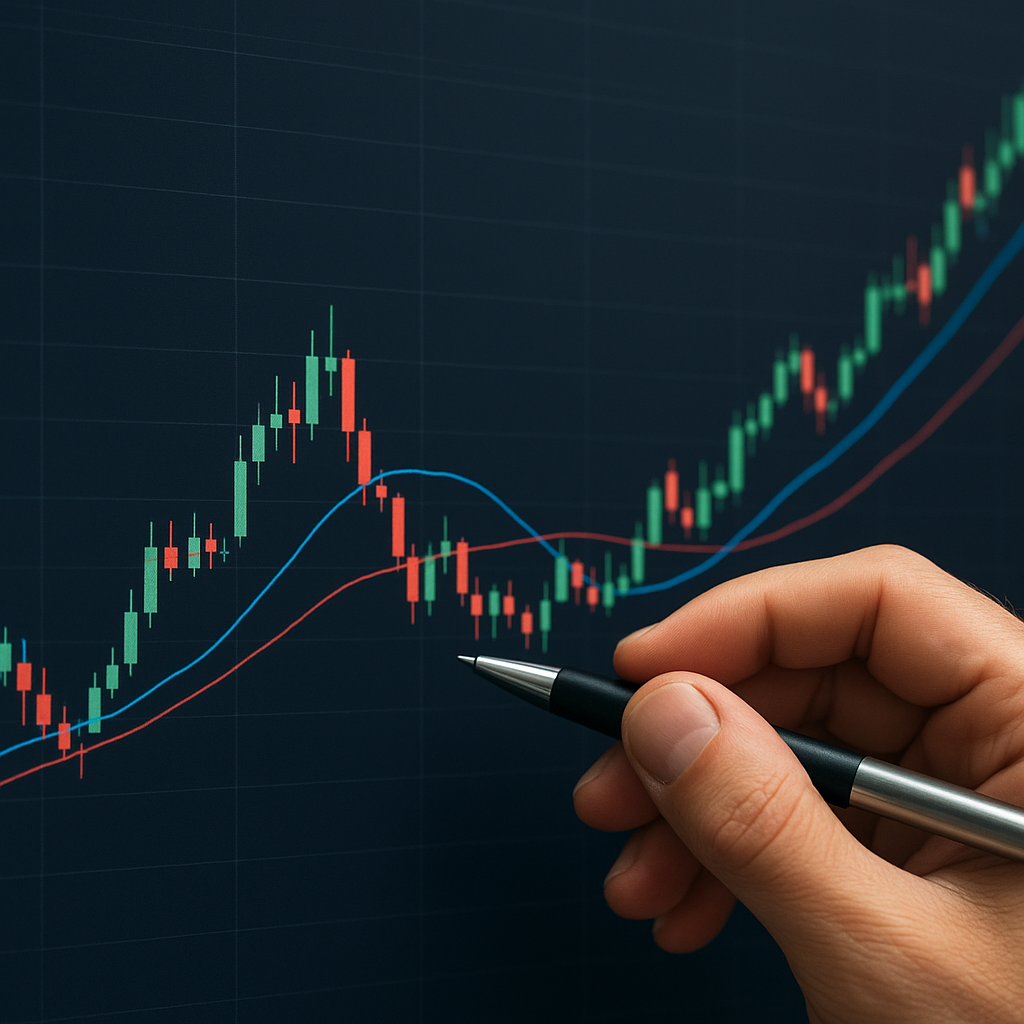
Forecasting currency movements requires a systematic approach that blends quantitative analysis with real‐world context. Traders and investors rely on a variety of tools, from macroeconomic releases to central bank minutes, to build a predictive edge. This article explores how to harness economic data for more informed decisions in the currency markets.
Economic Indicators: The Foundation of Currency Analysis
Core macroeconomic releases provide the bedrock of any foreign exchange strategy. By tracking changes in key indicators, market participants can assess a currency’s underlying strength or weakness.
Gross Domestic Product (GDP)
- GDP measures a country’s total economic output. A strong GDP print often triggers currency appreciation, as investors expect increased demand for that nation’s assets.
- Quarterly revisions and annualized growth rates can surprise markets. Always compare actual figures against consensus forecasts to gauge the magnitude of market reaction.
Inflation Rates
- The Consumer Price Index (CPI) and Producer Price Index (PPI) reveal changes in the cost of goods and services. Central banks watch inflation closely when setting interest rates.
- Unexpected spikes in inflation may prompt a hawkish pivot, boosting a currency’s value. Conversely, disinflation or deflation risks can lead to monetary easing and downward pressure on the exchange rate.
Employment Figures
- Non-Farm Payrolls (NFP) in the U.S., and similar surveys elsewhere, indicate labor market health. Robust job creation often correlates with higher consumer spending and stronger currency demand.
- Pay attention to the unemployment rate and average earnings growth. A divergence between headline employment data and wage inflation can reveal underlying pressures on the economy.
Interpreting Central Bank Policies and Interest Rate Differentials
Interest rate expectations lie at the heart of currency valuations. Traders monitor monetary policy statements, minutes, and speeches to anticipate turning points.
Forward Guidance
- Central banks often provide explicit or implicit cues about future policy moves. Look for language shifts—terms like “transitory” inflation or “patient” approach can signal evolving stances.
- Compare the forward guidance of two economies to assess the differential. A widening gap typically favors the currency offering higher returns.
Rate Hike/Lag Cycle
- Plotting the cycle of rate hikes and rate cuts helps in identifying peaks and troughs in currency trends. History shows that markets often price in a full cycle well ahead of actual moves.
- Employ tools such as the yield curve, which reflects the difference between short- and long-term government debt yields. An inverted yield curve may warn of an approaching economic slowdown.
The Role of Fiscal Policy and Government Debt
Beyond central banks, fiscal decisions shape currency dynamics through budgetary balances, stimulus packages, and debt trajectories.
Budget Deficits and Surpluses
- Large deficits can pressure a currency by increasing the nation’s funding needs. Conversely, a surplus demonstrates fiscal discipline, often supporting a stronger exchange rate.
- Examine the debt-to-GDP ratio for a sense of sustainability. Rapidly rising debt may raise questions about future tax burdens or inflationary financing.
Stimulus and Infrastructure Plans
- Expansionary fiscal measures boost economic activity but can generate inflationary pressures. The net effect on the currency depends on how markets perceive growth versus inflation trade-offs.
- Large-scale spending on infrastructure may enhance long-term competitiveness, offering structural support to a currency over time.
Incorporating Market Sentiment and Volatility Measures
Purely fundamental approaches can be augmented by gauges of investor positioning and volatility. Sentiment extremes often presage reversals or breakouts.
Commitment of Traders (COT) Reports
- Weekly COT data reveals how speculators and commercial hedgers are positioned in major currency futures. Excessive net longs or shorts can signal turning points.
Implied Volatility
- Option markets embed expectations of future currency swings. Sharp rises in implied volatility often coincide with upcoming economic announcements or geopolitical events.
- Pairs exhibiting unusually low volatility may be poised for sudden moves once a key data point is released.
Building a Predictive Framework
Combining economic, policy, and sentiment data into a coherent model enhances consistency and discipline in your forecasts. Follow these steps:
- Define Variables: Select a core set of metrics—GDP growth, CPI surprise index, central bank rate spreads.
- Normalize Data: Convert releases into standardized surprises by subtracting consensus forecasts.
- Correlation Analysis: Backtest historical relationships between data surprises and currency returns. Look for stable, statistically significant links.
- Weighting Scheme: Assign greater weight to indicators with stronger predictive power. Adjust weights as correlations evolve over time.
- Risk Controls: Incorporate stop‐loss levels, position sizing rules, and maximum drawdown limits to manage exposure.
Example Workflow
- Step 1: Gather consensus forecasts for the next round of CPI and GDP figures in major economies.
- Step 2: Calculate the expected impact on interest rate differentials using a Taylor Rule–style approximation.
- Step 3: Check COT data for positioning extremes in currency futures. If commercial hedgers are heavily net long, consider contrarian positioning.
- Step 4: Monitor implied volatility in options. A volatility spike ahead of data suggests a larger market reaction.
- Step 5: Execute trades aligned with the model’s signals, adhering strictly to predefined risk parameters.
Enhancing Models with Machine Learning and Alternative Data
Advanced traders increasingly turn to frameworks that ingest vast datasets, from high‐frequency trading records to social media sentiment. Machine learning algorithms can uncover nonlinear relationships and time‐varying patterns that traditional models miss.
- Natural Language Processing (NLP): Extract policymakers’ tone and bias from central bank speeches.
- High‐Frequency Indicators: Use real‐time satellite imagery or shipping data to gauge trade activity.
By marrying robust economic analysis with innovative data sources and systematic risk management, investors can improve their odds of forecasting currency movements successfully.