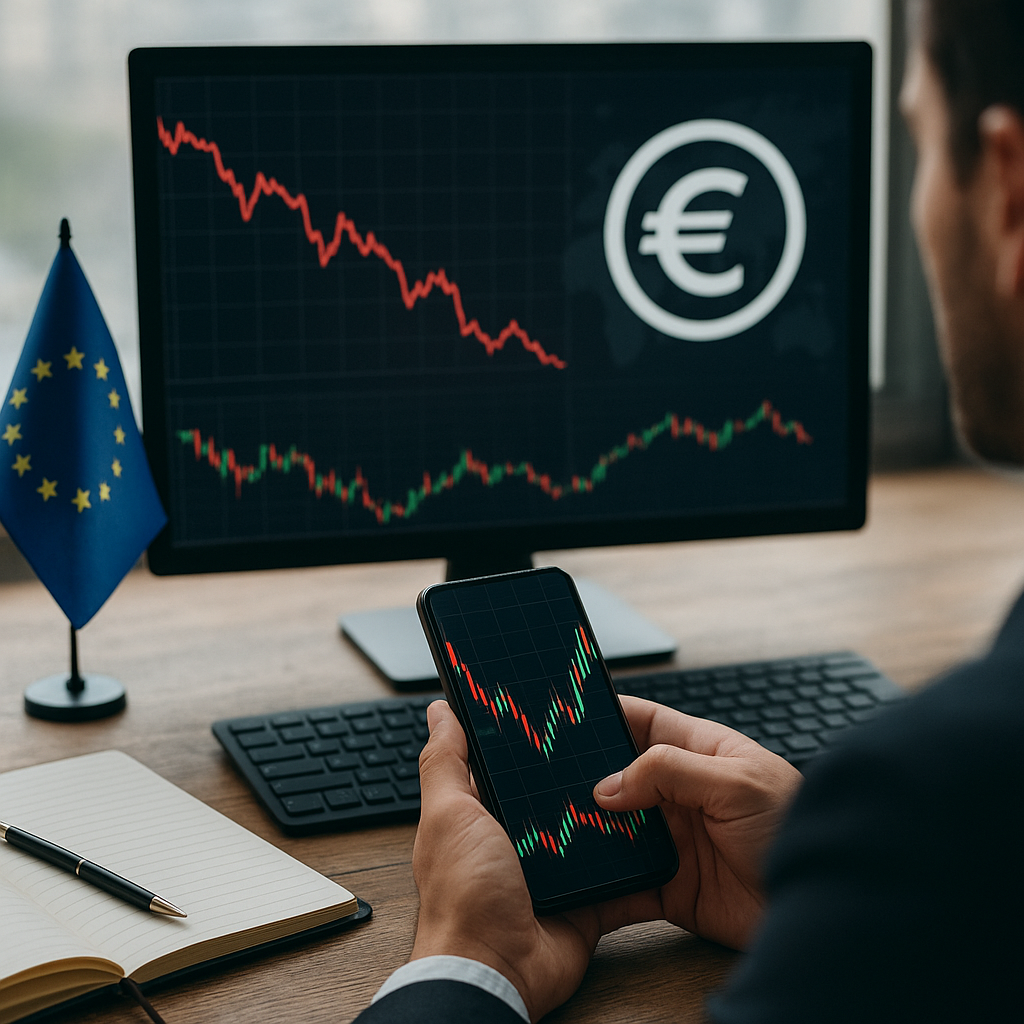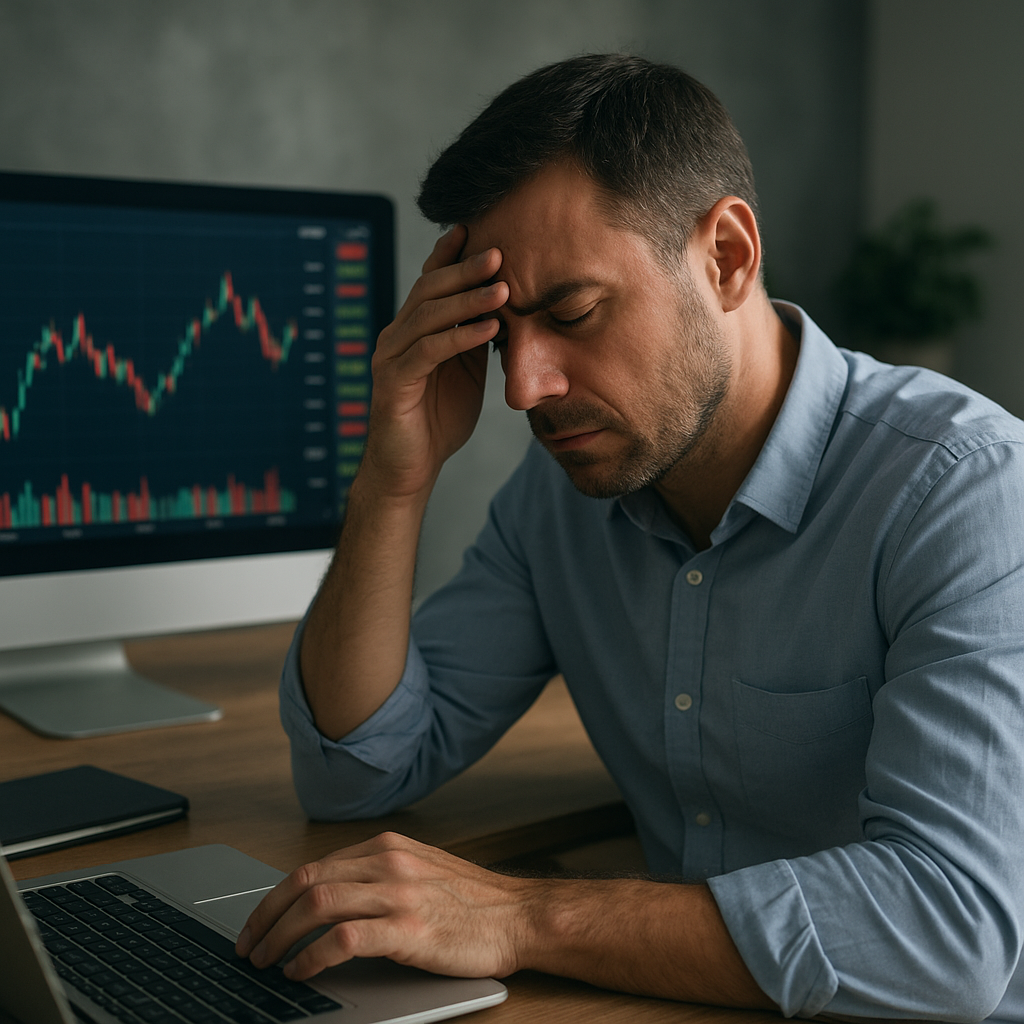
Diving into the complex world of currency markets demands more than technical knowledge and economic data. Traders must harness the power of psychology to navigate unpredictable price movements and maintain consistent performance. This article explores key psychological factors that influence forex investing, providing actionable insights on controlling emotions and building a resilient trading mindset.
Understanding Emotional Biases
Many traders fall prey to emotional biases that distort their decision-making. Among the most common are:
- Fear – The dread of losing capital can lead to premature exits or complete avoidance of promising setups.
- Greed – Excessive desire for quick gains often results in overleveraging or holding positions beyond realistic targets.
- Confirmation bias – Seeking out information that validates one’s view while ignoring contradictory data.
- Overconfidence – Exaggerated belief in personal forecasting ability, often following a string of successful trades.
Recognizing these biases is the first step in neutralizing them. Traders who consciously monitor their thinking patterns can identify when emotions are hijacking rational analysis.
Building a Structured Trading Plan
One of the most effective defenses against emotional pitfalls is a well-defined trading plan. Key components include:
- Clear entry and exit rules based on technical or fundamental analysis.
- Predefined risk-reward ratios to guide position sizing.
- A daily or weekly routine for reviewing economic calendars and market news.
- Performance logs to track trades, outcomes, and psychological state.
Having this structure fosters discipline by removing guesswork and reducing impulsive behaviors. When a trade setup meets established criteria, the trader executes it without deliberating over doubts or second-guessing.
Techniques for Emotion Regulation
Emotional control is not innate; it’s cultivated through consistent practice. Here are several methods traders can use:
Mindfulness and Meditation
- Daily meditation sessions, even as brief as 5–10 minutes, help cultivate patience and present-moment awareness.
- Breathing exercises during market volatility can prevent panic-driven decisions.
Pre-Trade Checklists
- Verify alignment with overall strategy, risk limits, and market conditions.
- Ensure that there is no emotionally charged event—such as a recent loss—that could influence decision-making.
Scheduled Breaks
- Periodic pauses help reset focus and reduce cognitive fatigue.
- Short walks or simple stretches can restore mental clarity, especially during high-volatility sessions.
Advanced Risk Management
Beyond basic stop-losses, sophisticated risk management methods reinforce emotional stability:
- Position sizing models that adjust trade size based on recent volatility and drawdown levels.
- Risk-to-reward targets that maintain a consistent edge (e.g., aiming for at least a 1:2 ratio).
- Portfolio diversification across currency pairs with low correlations.
- Trailing stops that lock in profits as trades move favorably, reducing the urge to exit too early.
Adopting robust risk controls not only safeguards capital but also instills confidence by knowing that a single error cannot trigger catastrophic losses.
Maintaining Consistency and Resilience
Forex markets can be unforgiving to those who lack emotional resilience. To build a strong psychological foundation:
- Embrace small setbacks as opportunities for learning rather than signals of failure.
- Review trades weekly, focusing on patterns of emotional decision-making.
- Set realistic goals and celebrate incremental progress rather than only major victories.
- Surround oneself with a supportive community or mentor for continuous feedback.
Through deliberate practice and reflection, traders develop an inner shield against stress, maintaining focus on long-term objectives.
Embracing Continuous Improvement
The dynamic nature of currency markets demands ongoing adaptation. Psychological growth parallels technical skill development, involving:
- Regularly updating the trading plan to incorporate new insights and market changes.
- Experimenting with different strategies in demo accounts to learn emotional responses without risking real funds.
- Reading literature on behavioral finance to gain deeper resilience and perspective.
- Monitoring personal performance metrics—win rate, average gain, and maximum drawdown—to identify areas needing improvement.
By treating trading as a craft, not just a profit mechanism, investors refine both their analytical abilities and emotional intelligence.
Leveraging Technology for Psychological Support
Modern platforms and apps offer tools that can aid emotion regulation and data-driven decision-making:
- Automated alerts for economic events to prevent surprise-induced reactions.
- Algorithmic trading systems that execute predefined strategies devoid of human emotion.
- Mobile trackers for logging emotional states alongside trade entries and exits.
- Data visualizations highlighting drawdown risk and cumulative performance trends.
Integrating technology alleviates mental burden and ensures that impulse control is enforced through systematic constraints.
Conclusion of Psychological Mastery
In the realm of forex trading, mastering one’s inner world can be as critical as understanding global interest rates or geopolitical shifts. By recognizing emotional biases, adhering to a structured plan, practicing regulation techniques, and employing advanced risk management, traders unlock a sustainable edge.
Developing genuine confidence arises not from short-lived streaks of luck, but from repeated practice in maintaining composure, even under pressure. With ongoing commitment to strategy, self-awareness, and continuous learning, currency investors can transform emotional challenges into stepping stones toward enduring market success.