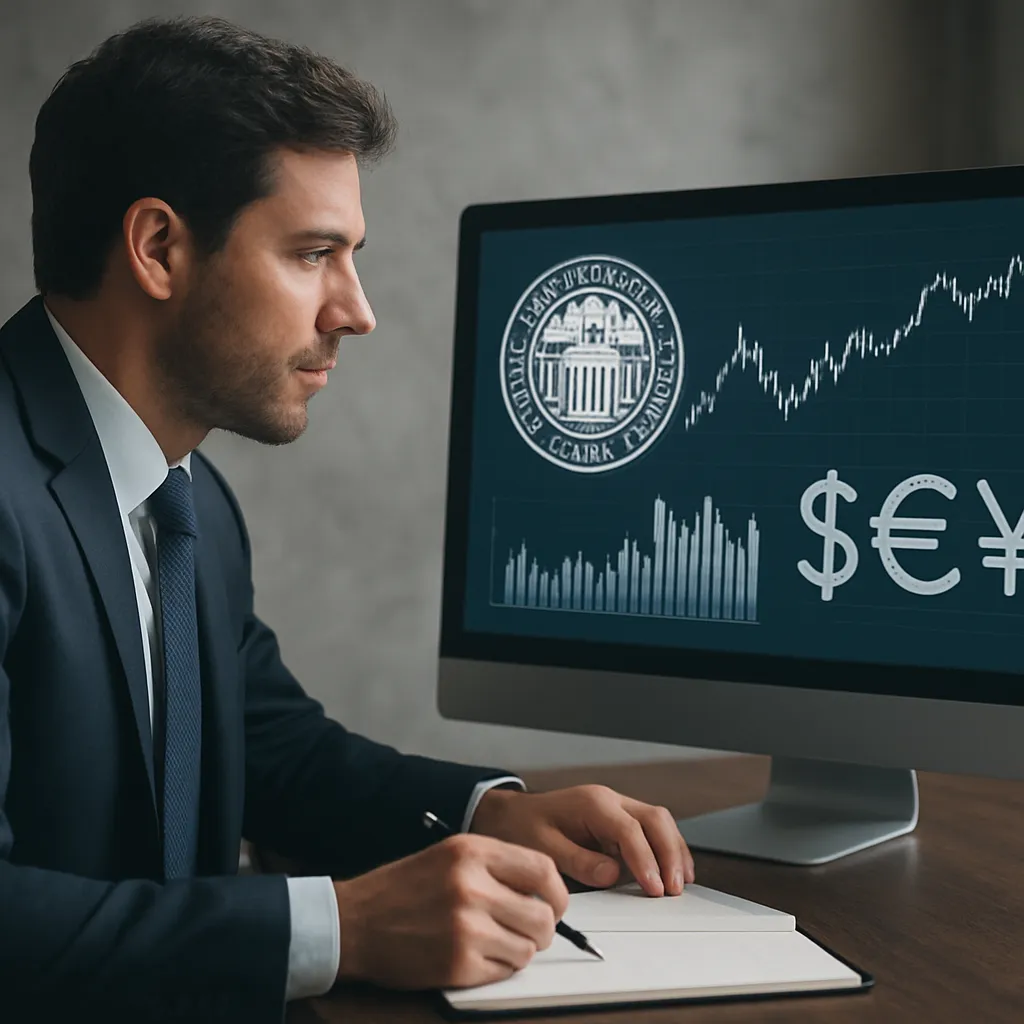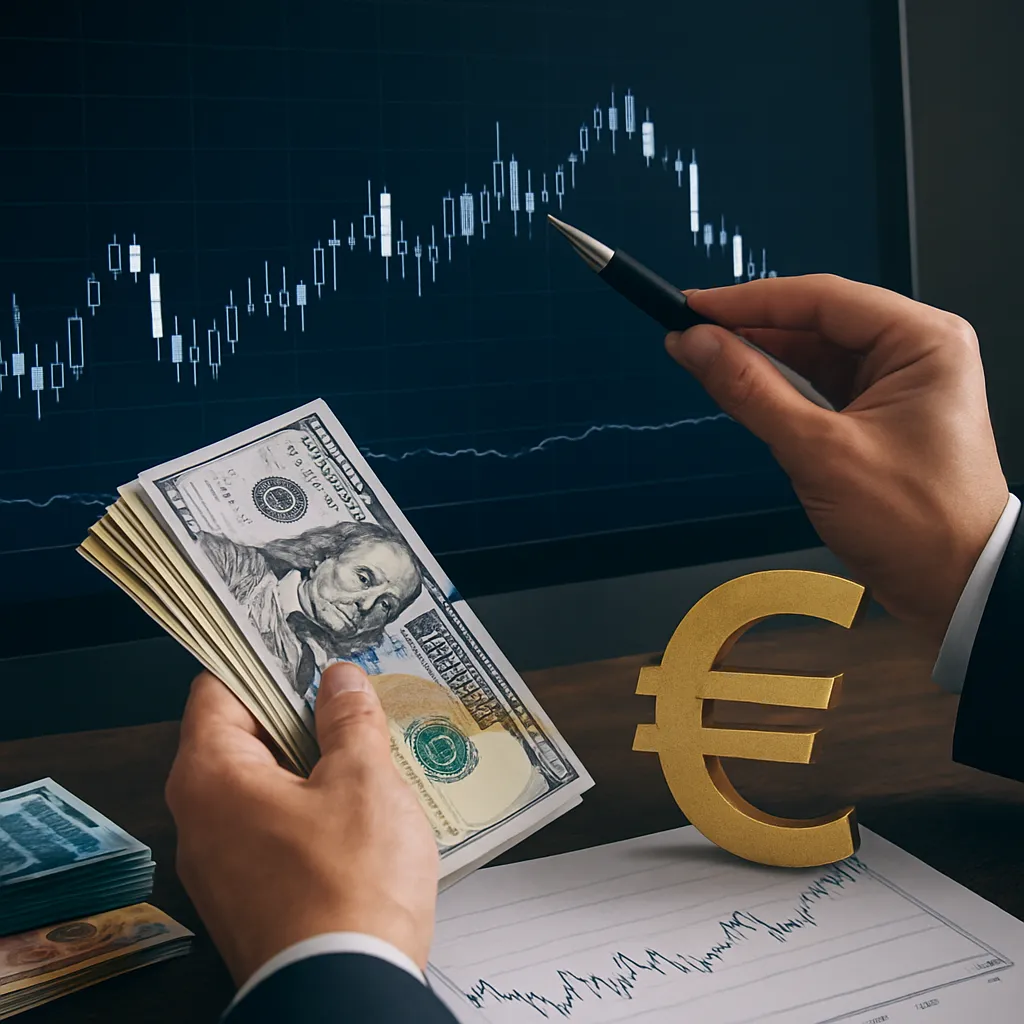
The foreign exchange (Forex) market represents an unparalleled arena where participants buy, sell, and speculate on currency pairs around the clock. Driven by geopolitical developments, macroeconomic indicators, and investor sentiment, it demands sophisticated strategies and robust risk controls. This article examines the key facets of speculation within currency markets, exploring how traders shape price movements, the methods they employ, and the broader implications for global finance.
Speculation as a Driving Force in Forex
At its core, currency trading is propelled by the quest for profit through predicting future exchange rate movements. Speculation adds depth to market activity by enhancing liquidity and facilitating efficient price discovery. High levels of speculative participation ensure that bid‐ask spreads remain narrow, allowing large institutional players and smaller retail traders alike to enter and exit positions without significantly distorting market valuations.
Major financial centers such as London, New York, Tokyo, and Sydney host a vast array of market participants, ranging from hedge funds and proprietary trading desks to multinational corporations hedging cross‐border exposures. By assuming market risk, speculators absorb pricing imbalances created by commercial hedgers who wish to lock in costs or revenues. This interplay not only stabilizes the foreign exchange ecosystem but also accelerates the incorporation of new information into currency rates.
Theoretical frameworks, including the Efficient Market Hypothesis, posit that markets reflect all available data. While this view has been challenged by episodes of extreme exchange rate moves, a healthy degree of speculative activity tends to counteract persistent mispricings. Arbitrageurs exploit small price differentials across venues, swiftly restoring equilibrium and reinforcing the notion that arbitrage serves as a potent corrective mechanism.
Strategies and Tools for Currency Speculation
Currency speculation demands rigorous analysis and the capacity to manage margin calls under rapid price swings. Traders typically rely on two broad approaches:
Fundamental Analysis
- Monitoring interest rate differentials set by central banks.
- Evaluating economic indicators such as GDP growth, employment figures, and inflation data.
- Analyzing geopolitical developments, trade balances, and fiscal policies.
Technical Analysis
- Chart patterns (head and shoulders, double tops/bottoms) to anticipate reversals.
- Momentum oscillators (Relative Strength Index, Stochastic) for entry and exit signals.
- Moving averages and trendlines to identify support and resistance levels.
Beyond these primary frameworks, algorithmic trading platforms enable high‐frequency strategies that seize micro‐pricing inefficiencies. Automated systems execute thousands of orders per second, leveraging statistical models to exploit minute fluctuations. While HFT enhances overall market volatility in the short run, it contributes to greater depth and resilience by rapidly matching buyers and sellers.
Margin accounts allow traders to amplify their market exposure, often by factors of 50:1 or more. This leverage can magnify both gains and losses, making strict risk management protocols indispensable. Common tools include stop‐loss orders, position sizing algorithms, and daily value‐at‐risk (VaR) limits. Seasoned speculators also employ hedging techniques, such as options and forward contracts, to cap potential downside without eliminating upside opportunities.
Risks, Regulation, and Market Impact
Despite its benefits, speculation presents inherent dangers. Excessive leveraging can trigger cascade effects during periods of rapid depreciation or appreciation. A single large liquidation may set off margin calls across multiple counterparties, exacerbating market stress. Episodes like the 1992 Black Wednesday sterling crisis and the 2015 Swiss franc shock illustrate how speculative positioning can magnify currency swings, sometimes with long‐lasting economic consequences.
Regulatory bodies, such as the Commodity Futures Trading Commission (CFTC) in the U.S. and the European Securities and Markets Authority (ESMA), have introduced measures to curb systemic threats. These include higher capital requirements for broker‐dealers, centralized clearing of certain derivatives, and position limits to restrict the buildup of outsized speculative bets. By enforcing transparency in over‐the‐counter markets and mandating detailed trade reporting, regulators seek to deter market manipulation and excessive risk concentration.
Global coordination through forums like the Bank for International Settlements promotes policy alignment among national authorities. Nevertheless, disparate regulations can create arbitrage opportunities for traders who shift activities to less supervised jurisdictions, highlighting the delicate balance between oversight and market freedom.
For individual investors, understanding the interplay between volatility and leveraged positions is crucial. Retail platforms now offer negative balance protection to shield clients from owing funds beyond their initial investment. Meanwhile, stress‐testing portfolios against extreme currency scenarios remains a best practice. By combining empirical back‐testing with forward‐looking scenario analysis, market participants can gauge vulnerability to sharp movements in pairs such as EUR/USD, USD/JPY, or emerging market currencies.
Ultimately, the speculative element within Forex markets acts as both engine and governor. It fuels activity that underpins global trade and investment, yet it demands continual evolution of risk controls and regulatory frameworks. As electronic platforms proliferate and artificial intelligence augments decision‐making, speculation will remain a double‐edged sword—propelling efficiency and innovation, while also posing challenges that the industry must navigate with vigilance.