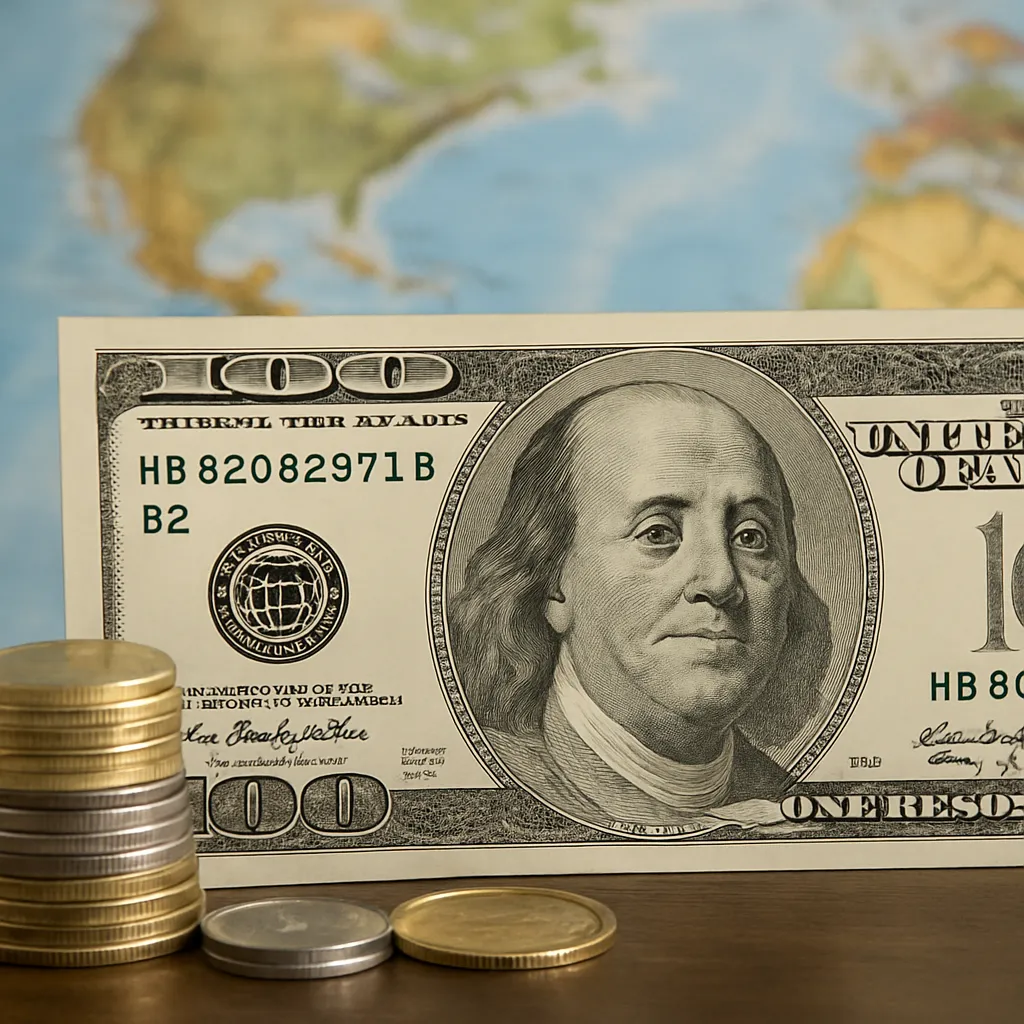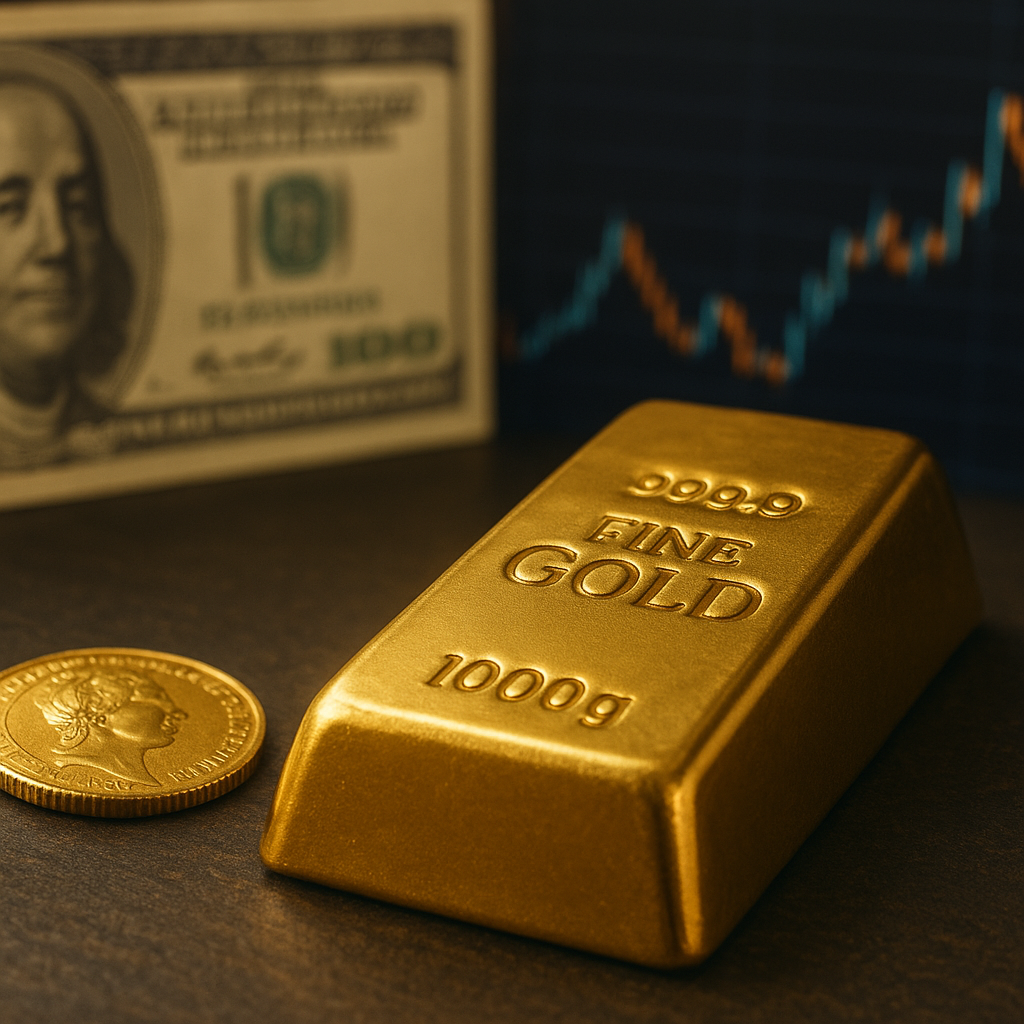
The intricate relationship between gold prices and global currency markets has captured the attention of investors, analysts, and policymakers alike. As central banks manipulate interest rates and sovereign debt levels fluctuate, the dynamic interplay between precious metals and forex pairs can offer profound insights into broader financial trends. This article delves into the mechanisms that link gold valuations to currency movements, highlighting key drivers, investment approaches, and historical case studies.
Factors Driving Gold and Currency Correlations
Economic Indicators and Inflation
Macroeconomic data such as GDP growth, unemployment rates, and consumer price indices often shape the trajectory of both gold and currencies. When inflation accelerates beyond target levels, investors may flock to gold as a hedge, pushing its price higher while undermining the purchasing power of fiat money. A weakening domestic currency can make gold more attractive to holders of foreign currency, amplifying cross-border demand. Conversely, periods of disinflation or deflation can bolster strong currencies, as real yields rise and the opportunity cost of holding non-yielding gold increases.
For example, during episodes of sustained inflation, yield-seeking behavior often shifts capital away from low-yield government bonds into tangible assets. This rotation not only boosts gold prices but also exerts downward pressure on the local currency, reflecting the market’s reassessment of real returns.
Central Bank Policies and Interest Rates
Central bank policy decisions serve as a critical nexus between gold markets and currency valuations. A surprise cut in interest rates tends to weaken the central bank’s currency while enhancing the appeal of gold, which does not yield interest yet benefits from lower opportunity costs. Conversely, hikes in policy rates can strengthen a currency through capital inflows and higher deposit returns, often resulting in a temporary correction in gold prices.
Quantitative easing and large-scale asset purchases can also stimulate gold demand. When central banks expand their balance sheets, they effectively increase the money supply, raising concerns about future currency debasement. Investors frequently respond by increasing their gold holdings as a form of risk management, thereby forging a tighter inverse correlation between central bank easing and metal prices.
Geopolitical Risks and Safe-Haven Demand
Geopolitical turmoil—ranging from regional conflicts to global pandemics—can trigger a flight to safety that benefits both gold and certain “safe-haven” currencies, such as the Swiss franc or the Japanese yen. In these scenarios, gold often trades in tandem with core reserve currencies, reflecting an overarching quest for liquidity and capital preservation.
However, the timing and magnitude of these moves can vary. Gold’s historical role as a store of value may lead it to react more quickly than major forex pairs, especially when cross-border capital flows are restricted. Traders often monitor the volatility indices and yield spreads to anticipate shifts in investor sentiment, using derivatives to position for both currency devaluations and surging gold prices.
Trading Strategies and Portfolio Management
Diversification through Gold and Forex
Incorporating both gold and foreign exchange instruments into a diversified portfolio can enhance resilience against systemic shocks. While equities and bonds may suffer during economic downturns, gold and selected currencies often serve as counterweights. A typical strategy might involve allocating a portion of wealth to gold ETFs or bullion, alongside currency pairs that exhibit negative correlation to equities, such as USD/JPY or CHF/EUR.
This dual-asset approach can smooth returns over multiple market cycles. When global growth expectations wane, gold and defensive currencies tend to appreciate, offsetting losses in risk-sensitive assets.
Hedging Currency Exposure with Gold
Multinational corporations and import-export businesses frequently face currency mismatches on their balance sheets. Gold can act as a natural hedge: by increasing physical gold reserves or taking positions in gold futures, these entities can offset losses from adverse currency moves. For instance, a European exporter concerned about euro appreciation might boost gold holdings. If the euro indeed strengthens and compresses profit margins, concurrent gains in gold valuations can mitigate the impact.
Similarly, pension funds and endowments with global liabilities can employ gold derivatives to align asset-liability matching strategies. Such hedges are especially valuable when traditional currency forwards become too costly or when counterparties impose restrictive collateral requirements.
Technical and Fundamental Analysis
Successful traders often combine technical indicators—such as moving averages, Fibonacci retracements, and momentum oscillators—with fundamental assessments, including macroeconomic forecasts and central bank minutes. Divergences between technical signals in the gold market and forex charts can presage significant market turns. For example, if gold breaks above a resistance level while the US dollar index remains range-bound, it may signal impending dollar weakness.
Fundamental analysts, on the other hand, scrutinize shifts in global liquidity, trade balances, and sovereign credit ratings to anticipate long-term trends. By overlaying fundamental scenarios onto technical frameworks, investors can refine entry and exit points, balancing volatility with expected reward.
Case Studies and Historical Perspectives
The 2008 Financial Crisis
During the global credit crunch, gold initially fell alongside equities and credit markets as investors liquidated assets to meet margin calls. However, once central banks deployed unprecedented liquidity measures, gold embarked on a decade-long bull run, reaching five-year highs by 2011. Concurrently, the US dollar’s role as a reserve currency was reinforced, though its strength was periodically undermined by large-scale quantitative easing.
This episode highlighted the dual nature of gold: its propensity to behave like a risk asset under acute stress, followed by its rapid ascent as a true safe-haven once monetary stimulus took hold.
Brexit and the Sterling-Gold Relationship
The 2016 Brexit referendum triggered pronounced moves in both gold and the British pound. Sterling plunged to multi-year lows against major currencies, as uncertainty over trade negotiations and regulatory frameworks weighed heavily on market sentiment. Meanwhile, gold experienced a sharp rally, driven by portfolio reallocations and heightened demand from UK-based investors seeking domestic hedges.
A careful examination of intraday trading volumes revealed that gold’s correlation with GBP/USD strengthened substantially in the days following the vote—underscoring how political events can amplify asset linkages.
Recent Trends Amid Global Uncertainty
More recently, trade tensions, energy price shocks, and shifting monetary stances have sustained the gold-currency interplay. For example, episodes of US-China tariff escalations elicited concurrent rallies in gold prices and the Japanese yen, reflecting global risk aversion. Meanwhile, emerging market currencies—particularly those of commodity exporters—have exhibited pronounced sensitivity to gold price swings, given the metal’s role in national export baskets.
Looking ahead, the evolving landscape of digital currencies and central bank digital currency (CBDC) initiatives could introduce new dynamics. As sovereigns explore tokenized versions of the dollar, euro, or yuan, the relative scarcity and tangibility of gold may enhance its appeal as an alternative store of value amidst potential digital debasement.