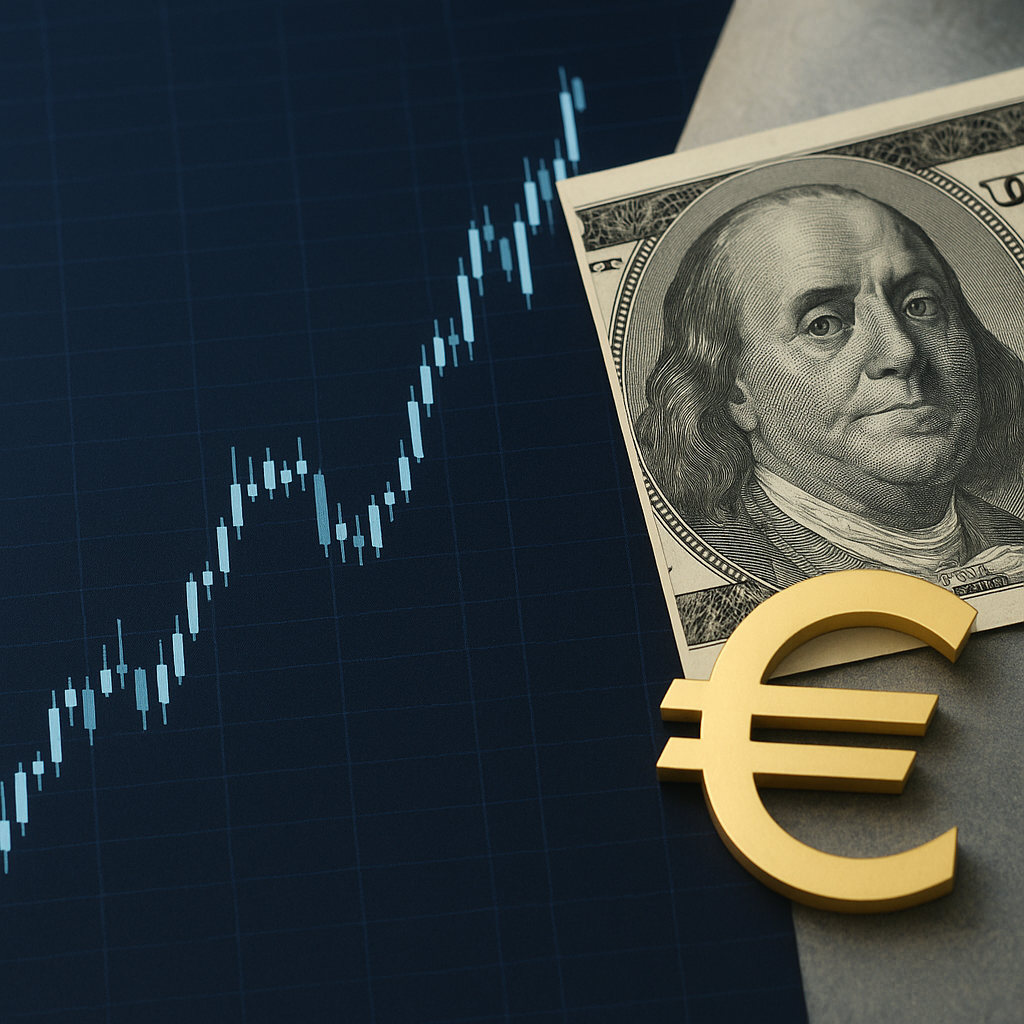
The Link Between Stock Markets and Currency Movements
The dynamic interactions between stocks and currencies shape modern global finance. Investors often focus on equities, but understanding the interplay with foreign exchange is crucial for effective risk management and capital preservation. Currency fluctuations can amplify or dampen equity returns, influencing portfolio performance across regions. This article examines key drivers, explores empirical correlations, and outlines strategies to navigate the intertwined worlds of stock markets and FX.
The Interplay Between Stocks and Currencies
At first glance, equity indexes and exchange rates may appear independent. In reality, they are linked by capital flows, interest rate differentials, and market sentiment. A surge in foreign investment into a nation’s stock market leads to increased demand for the local currency, causing it to appreciate. Conversely, when investors withdraw, the currency often weakens.
- Capital Inflows: Strong corporate earnings in one country can attract foreign funds, boosting the local currency.
- Trade Balances: A persistent trade surplus may support currency strength, while deficits often exert downward pressure.
- Monetary Policy: Divergent central bank actions influence both bond yields and equity valuations, tying together FX and stock trends.
These factors combine to create periods of high volatility in both markets. For example, emerging-market equities often suffer when their currencies plunge, as local companies face higher import costs and debt burdens denominated in foreign currencies.
Historical Correlation Patterns
Long-term studies reveal that equity returns and currency moves do not maintain a fixed relationship. During risk-on phases, equities and high-yielding currencies tend to appreciate together. In risk-off episodes, safe-haven currencies like the US dollar or Japanese yen rally even as stock markets fall.
- 1997–1998 Asian Financial Crisis: Sharp currency depreciations coincided with dramatic equity plunges.
- 2008 Global Financial Crisis: Equities collapsed, while the dollar benefited from safe-haven flows.
- 2020 Pandemic Shock: Massive fiscal stimulus drove equity rebounds, but also fueled a weaker US dollar.
Macro Drivers Shaping Correlations
Several broad economic forces determine the evolving relationship between equities and exchange rates.
Interest Rate Differentials
Higher interest rates attract foreign capital seeking yield, boosting the domestic currency. At the same time, elevated rates can dampen corporate borrowing and slow equity gains. Investors must balance the appeal of carry trades against potential headwinds for growth stocks.
Inflation Dynamics
Rising inflation can erode purchasing power and trigger central banks to tighten policy. Equity valuations often suffer, particularly for sectors sensitive to input costs. Meanwhile, stronger monetary policy can support the currency, although prolonged inflation may undermine confidence.
Global Growth Cycles
During synchronized global expansion, commodity-linked currencies and emerging-market equities typically outperform. In downturns, investors retreat to defensive assets, causing the dollar to rally and cyclical stocks to underperform.
Navigating Volatility: Strategies for Investors
Understanding these dynamics allows investors to craft more resilient portfolios. Below are key approaches that integrate both markets:
- Hedging Techniques: Derivatives such as currency futures and options help mitigate FX losses when stocks rally abroad.
- Pair Trades: Long undervalued equities denominated in appreciating currencies while shorting weaker ones to capture relative performance.
- Carry Trade Hedging: When borrowing low-yield currencies to fund higher-yield assets, hedge against sharp currency reversals.
- Diversification: Allocate across regions and asset classes to smooth combined volatility from stocks and currencies.
Each strategy carries trade-offs. For instance, hedging can incur costs that erode overall returns if exchange-rate moves prove benign. Investors should calibrate hedge ratios based on risk tolerance and time horizon.
Practical Considerations and Risk Management
Implementing integrated equity-FX tactics requires robust processes and tools.
- Liquidity Analysis: Ensure chosen currency pairs and equity instruments offer sufficient liquidity to enter and exit positions efficiently.
- Position Sizing: Limit exposure to any single currency or equity market to avoid concentration risks.
- Stress Testing: Model scenarios such as sudden interest-rate spikes or geopolitical shocks to assess portfolio resilience.
- Monitoring Correlations: Correlation coefficients shift over time. Regularly review statistical relationships to adjust strategies.
In practice, sophisticated investors employ algorithmic systems that monitor real-time price movements and macroeconomic indicators. Automated alerts can flag when correlation thresholds are breached, prompting strategy reviews.
Technology and Data Analytics
Advanced analytics, including machine learning, can uncover non-linear patterns between trends in equities and exchange rates. By feeding large datasets—spanning high-frequency FX ticks and daily stock returns—into predictive models, quant teams identify early signals of divergence or convergence.
Behavioral Factors
Market psychology also plays a role. Herding behavior during crises can amplify swings across both asset classes. Understanding sentiment indicators and positioning metrics—such as CFTC futures commitments—provides an additional layer of insight.
Key Takeaways for Currency and Equity Investors
Investors who integrate both markets stand to benefit from a more holistic view of risk and opportunity. By recognizing how forex and stocks interact, deploying robust hedging and risk management frameworks, and leveraging data-driven insights, portfolios can weather diverse economic environments. Whether targeting alpha through carry trades or preserving capital with dynamic hedges, the synergy between currency movements and equity markets offers fertile ground for sophisticated investing.