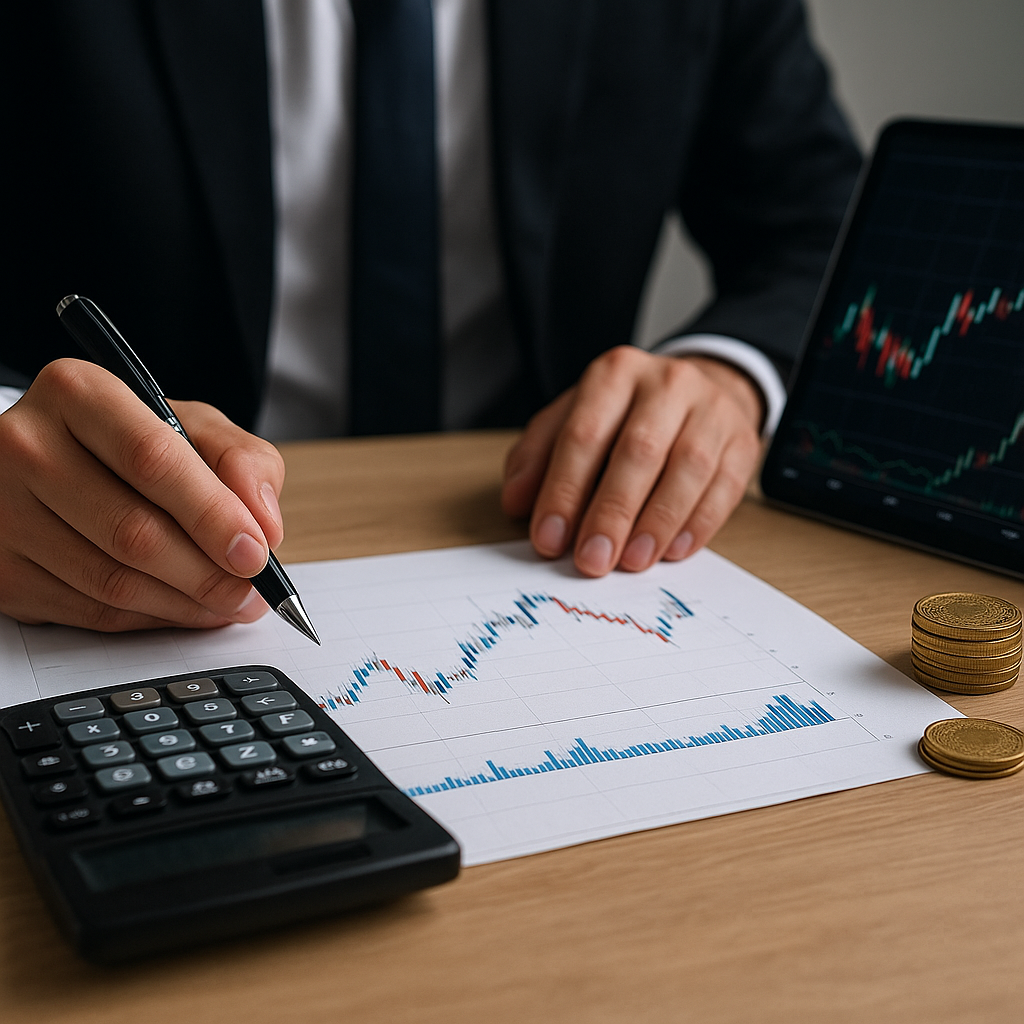
Understanding how leverage works in the forex market is essential for any trader aiming to maximize returns while controlling risk. With global currency pairs traded 24 hours a day, participants can access significant buying power with relatively small amounts of capital. Yet the same force that can amplify gains also magnifies losses, turning missteps into costly mistakes. This article explores the mechanics of leverage, the inherent risks it introduces, and practical approaches to navigating this dual-edged tool in currency investing.
Basics of Forex Leverage
Definition and Mechanisms
At its core, leverage allows a trader to control a large position using a small margin deposit. For example, a 100:1 ratio means that for every $1 of margin, a trader can open a position worth $100. Brokers extend this courtesy by lending the difference, effectively amplifying both the prime mover of profit and the potential for loss.
The formula for determining the required margin is:
- Position Size × Contract Size / Leverage Ratio = Margin Requirement
- Example: 100,000 units × $1 / 100 = $1,000 margin
As leverage increases, the initial deposit shrinks, but the market’s slightest movements can result in substantial fluctuations in account equity.
Margin Requirements and Maintenance
Different brokers set distinct margin thresholds, often influenced by regulatory standards. A maintenance margin functions as the minimum equity level you must maintain. Dropping below this threshold triggers a margin call, forcing you to either deposit more funds or accept position closure. Successful traders monitor their margin level vigilantly to avoid forced liquidations.
Assessing Risks in Leveraged Trading
Market Volatility and Currency News
Forex markets are among the most volatile globally, driven by macroeconomic releases, central bank announcements, geopolitical events, and shifts in investor sentiment. These rapid price swings can amplify gains when correctly anticipated, yet they can just as swiftly erode account balances when positions move against you. Intraday news events often produce spikes that trigger stop-loss orders or wipe out margins entirely.
Drawdown and Margin Calls
A drawdown refers to the decline from a peak equity balance to a trough during a specific period. Deep drawdowns stress a trader’s psychology and can lead to emotional decision-making. When leverage is high, drawdowns accelerate, making it crucial to implement disciplined stop-loss levels and to avoid overexposure.
- Track maximum drawdown percentage to gauge system robustness.
- Adjust position sizing to keep drawdowns within acceptable limits.
- Maintain a buffer above the margin call threshold to weather volatility.
Counterparty and Liquidity Risk
Liquidity varies across currency pairs and trading sessions. Major pairs like EUR/USD exhibit high liquidity, whereas exotic pairs may suffer from thin order books and wider spreads. During crisis periods or news shocks, liquidity can evaporate, slippage increases, and fills may occur at disadvantageous levels, risking margin calls even if your original analysis was sound.
Strategies to Harness Leverage
Risk Management Techniques
Effective risk management balances the promise of larger returns against the specter of significant losses. Key practices include:
- Position Sizing: Limit each trade’s risk to a fixed percentage (commonly 1–2%) of total capital.
- Stop-Loss Orders: Automatically close positions at predetermined loss levels to prevent runaway drawdowns.
- Hedging: Use offsetting positions in correlated currency pairs or options to reduce net exposure.
- Risk-Reward Ratio: Target trades where the potential reward is at least twice the potential risk (2:1 ratio).
Building a Robust Trading Strategy
Consistency stems from a clear trading strategy rather than guesswork. A structured plan includes:
- Market Analysis: Combine technical indicators (moving averages, RSI) with fundamental catalysts (interest rate differentials, employment data).
- Entry and Exit Criteria: Define precise conditions under which trades are opened and closed.
- Record Keeping: Maintain a trading journal documenting setups, outcomes, emotions, and lessons learned.
- Review Cycle: Regularly backtest and forward-test strategies under varying market environments.
Balancing Rewards and Pitfalls
Potential for Amplified Gains
High leverage can transform modest account balances into substantial profits when markets move favorably. Traders can capitalize on minor currency fluctuations, converting even fractional pip movements into meaningful returns. By carefully managing risk parameters, traders unlock the ability to compound gains rapidly over time.
Avoiding Common Pitfalls
To prevent leverage from becoming a liability, traders must:
- Avoid Overleveraging: Resist the temptation to use maximum allowed ratios.
- Control Emotions: Maintain discipline, especially after winning or losing streaks.
- Stay Informed: Keep abreast of economic calendars, central bank policies, and global events.
- Adjust to Market Conditions: Lower leverage in high-volatility periods or when trading exotics.
By integrating these principles, currency investors can harness exposure responsibly, turning the double-edged nature of leverage into a precision tool rather than a blunt instrument. Understanding the mechanisms, acknowledging the hazards, and applying disciplined measures pave the way to consistent performance in the dynamic world of forex trading.