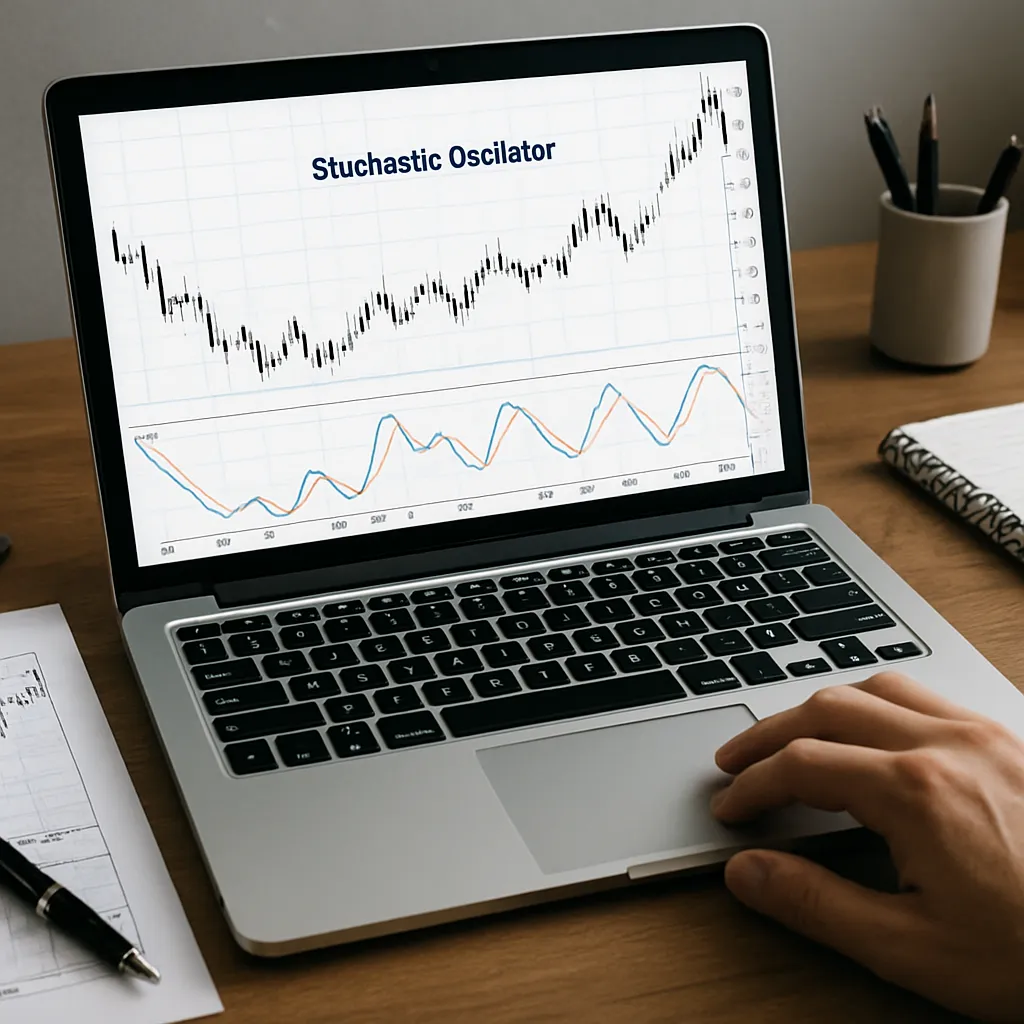
Algorithmic trading in the forex market relies on predefined **rules**, automation, and data analysis to execute **orders** without direct human intervention. Combining **technology**, statistical models, and risk controls, traders can capitalize on **market** inefficiencies with speed and precision. This article outlines the key steps involved in creating an effective algorithmic trading strategy for the currency markets.
Understanding Market Dynamics and Strategy Goals
Before coding any algorithm, a clear grasp of the forex market’s unique characteristics is essential. Currencies trade continuously, exhibit high **liquidity**, and respond to macroeconomic news, geopolitical events, and technical factors. Defining objectives will guide the development process:
- Time Horizon: Determine whether you target intra-day scalping, swing trades over days, or position trades spanning weeks.
- Risk Appetite: Set limits on drawdowns, position sizes, and acceptable volatility.
- Return Expectations: Establish realistic annualized performance goals based on historical market behavior.
Having specific goals helps in selecting suitable indicators, market data sources, and execution platforms.
Selecting and Integrating Data Sources
High-quality historical and real-time data forms the backbone of any trading algorithm:
- Historical Price Data: Tick, minute, hourly, or daily bars required for backtesting.
- Economic Calendars: Real-time feeds for central bank announcements, employment reports, and inflation figures.
- Sentiment Indicators: Commitment of Traders (COT) reports, social media sentiment, and positioning data from brokers.
Ensure data integrity by handling missing ticks, incorrect timestamps, and duplicate entries. Use **APIs** from reputable providers or broker platforms to access live quotes and order execution functionalities. Integrating data preprocessing steps—such as outlier removal and time-zone alignment—improves the accuracy of your strategy evaluation.
Designing the Trading Logic
The core of an algorithmic strategy is the **trading logic**, which defines when to enter and exit positions. Consider mixing multiple approaches:
Technical Indicators
- Moving Averages (SMA, EMA) for trend identification.
- Relative Strength Index (RSI) to detect overbought or oversold conditions.
- Bollinger Bands to gauge volatility expansions and contractions.
Statistical Models
- Mean Reversion: Betting that exchange rates revert to historical averages.
- Cointegration and Pairs Trading: Exploiting correlated currency pairs when they diverge.
- Regression Analysis: Forecasting price changes based on explanatory variables.
Machine Learning Techniques
- Supervised Learning: Decision trees or support vector machines predicting next-bar direction.
- Unsupervised Learning: Clustering price patterns for regime detection.
- Reinforcement Learning: Optimizing trade entry and exit through reward-feedback loops.
Blend multiple signals to increase robustness. Use logical operators (AND/OR) or weighting schemes to aggregate signals into a composite score. Avoid overfitting by limiting the number of parameters and validating performance on out-of-sample data.
Backtesting and Performance Evaluation
Backtesting simulates your algorithm on historical data to estimate profitability, drawdowns, and risk metrics:
- Walk-Forward Analysis: Rolling windows of training and testing to ensure adaptability across market regimes.
- Monte Carlo Simulations: Randomly resampling trades to assess the impact of **slippage**, spread widening, and trade sequencing.
- Transaction Cost Modeling: Incorporate realistic **fees**, commissions, and variable spreads to achieve accurate net returns.
Track performance metrics such as Sharpe ratio, maximum drawdown, win rate, and profit factor. Visualize equity curves and drawdown periods to detect structural weaknesses or execution flaws. Ensure data used for backtesting closely matches live trading conditions to reduce **biases**.
Risk Management and Capital Allocation
Effective risk controls protect your portfolio from catastrophic losses:
- Stop-Loss Orders: Automatic exit at a predefined loss threshold per trade.
- Take-Profit Targets: Lock in gains when price reaches a favorable level.
- Position Sizing: Calculate trade size based on volatility (e.g., ATR) or fixed fractional risk per trade.
- Correlation Checks: Limit exposure to correlated currency pairs to avoid concentration risk.
Implement a maximum daily loss limit and a global drawdown ceiling. If the algorithm triggers these thresholds, trading halts until human review. Regularly monitor leverage usage to avoid margin calls and excessive **exposure**.
Optimization and Parameter Tuning
Optimization refines algorithm parameters for maximum efficiency, but must be approached carefully to prevent curve-fitting:
- Grid Search: Systematically explore parameter combinations within predefined ranges.
- Random Search: Sample random parameter sets to identify promising regions of the search space.
- Genetic Algorithms: Evolve parameter populations based on fitness scores derived from performance metrics.
Use cross-validation techniques such as K-fold or blocked rolling windows to validate robustness. Downsample the dataset by market conditions—trending vs. ranging—to ensure stable performance across environments.
Implementation and Execution
Deploying your algorithm on a live trading platform requires:
- Integration with Broker APIs for order routing, order modification, and real-time account updates.
- Latency Optimization: Host your code on servers geographically close to the broker’s matching engine to reduce execution delay.
- Fail-Safe Mechanisms: Watchdog scripts that restart the trading engine if it crashes or detects **anomalies**.
Simulated trading (paper trading) allows you to verify execution logic without risking capital. Track slippage, order rejections, and fill rates. Once performance meets expectations under live conditions, gradually scale capital deployment while maintaining risk limits.
Monitoring, Maintenance, and Continuous Improvement
Algorithmic trading is not a “set and forget” endeavor. Markets evolve, and algorithms require ongoing oversight:
- Performance Dashboards: Real-time metrics on P&L, drawdowns, and open positions.
- Alert Systems: Notifications for risk breaches, connectivity issues, or system errors.
- Periodic Strategy Reviews: Reassess assumptions, update data feeds, and incorporate new research.
- Version Control: Track code changes and maintain a rollback plan in case of unintended behavior.
Engage in post-trade analytics to identify edge degradation or regime shifts. Incorporate new indicators or models based on emerging market insights. Collaborate with a network of quantitative traders to share ideas and best practices.
Advanced Considerations and Emerging Trends
To stay competitive, consider integrating advanced techniques:
- High-Frequency Trading (HFT): Strategies capturing microstructure inefficiencies, requiring ultra-low latency.
- Sentiment Analysis: Leveraging natural language processing to gauge central bank speeches or newswire sentiment.
- Blockchain Data: Analyzing crypto-fiat pairs for cross-market arbitrage opportunities.
- Risk Parity: Allocating capital across algorithmic strategies to achieve balanced volatility contributions.
Embrace cloud computing and parallel processing to scale simulations and deploy machine learning models efficiently. Stay informed about regulatory changes affecting automated execution and data privacy rules in different jurisdictions.