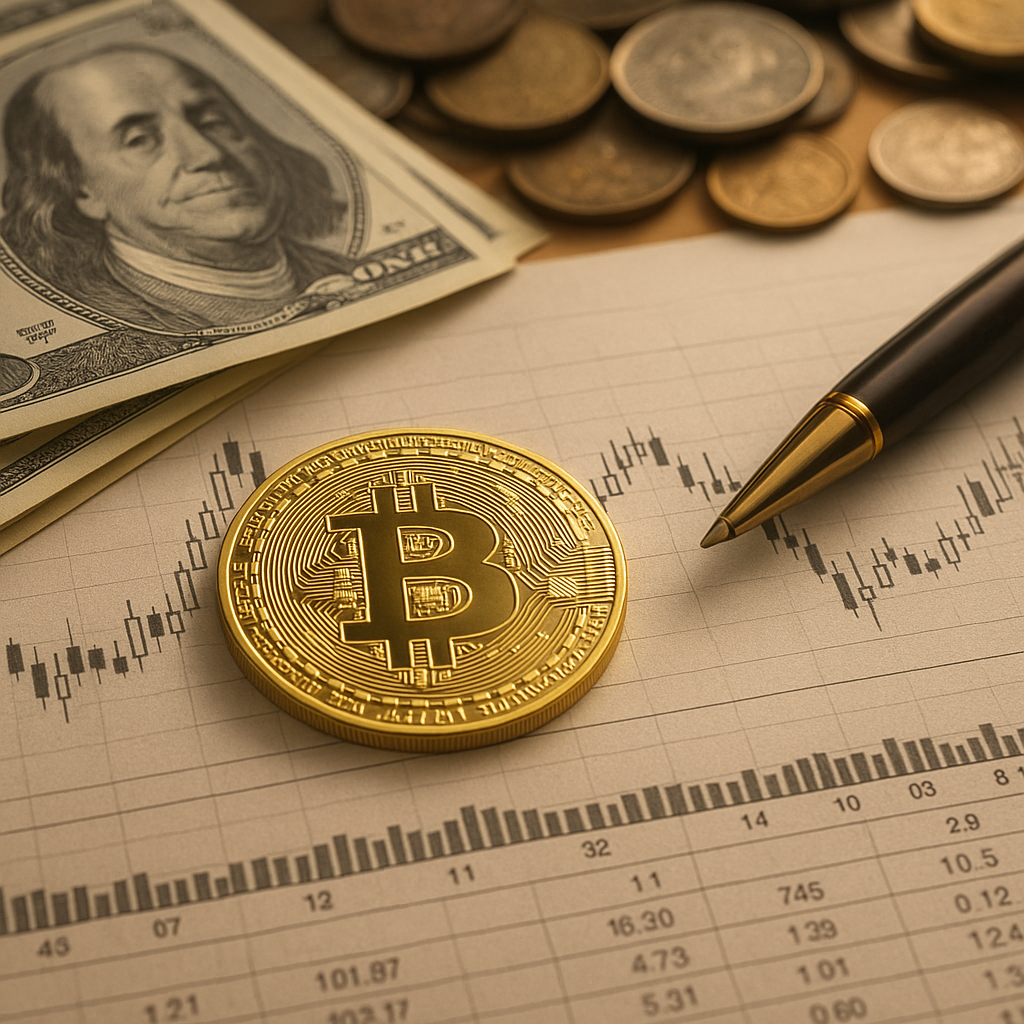
Speculation in currency markets plays a pivotal role in shaping exchange rates and driving global capital flows. While often viewed with skepticism, speculative activity can enhance market efficiency, provide valuable price discovery, and offer liquidity to participants. This article examines the multifaceted nature of speculation, the tools and strategies employed by traders, its broader market impacts, and the evolving regulatory landscape surrounding foreign exchange (FX) transactions.
Understanding Speculation Dynamics in FX Markets
At its core, speculation involves the anticipation of future price movements and taking positions to profit from those predictions. Unlike hedging, which aims to reduce exposure to price fluctuations, speculative trades intentionally embrace risk. Market participants range from individual retail traders to large institutional hedge funds, each driven by diverse factors:
- Macro-economic indicators, such as GDP growth, interest rates, and inflation differentials.
- Geopolitical developments, including trade negotiations, elections, and policy statements by central banks.
- Technical patterns and momentum signals derived through chart analysis and order book data.
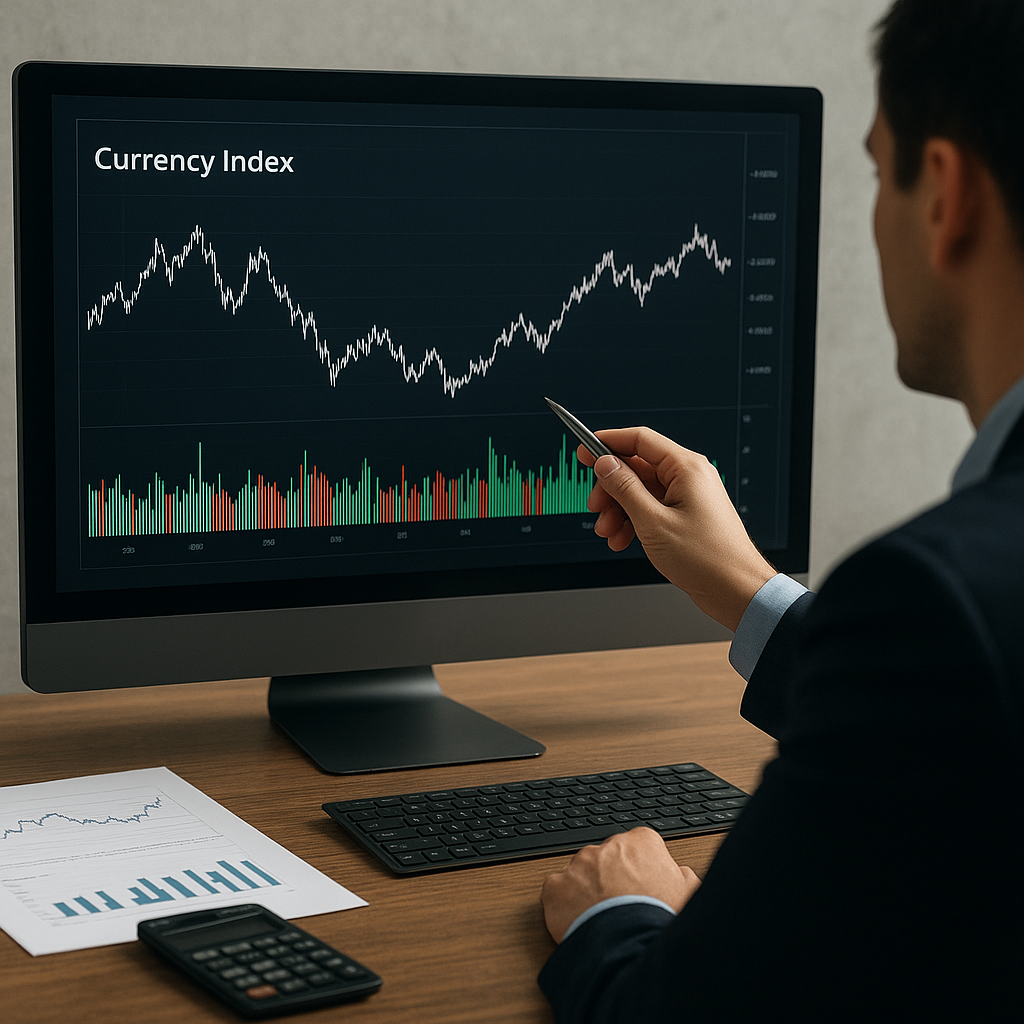
These drivers converge to form the prevailing market sentiment, which can amplify currency swings. For instance, if traders expect the Federal Reserve to raise rates, speculative buying of the US dollar may accelerate, nudging the dollar-index higher even before official announcements.
Tools and Strategies for Currency Speculators
Currency speculators deploy a wide array of instruments and trading techniques to capture short-term gains or longer-term trends. Key strategies include:
1. Carry Trade
The carry trade involves borrowing in a low-yield currency and investing in a higher-yield one. Historically, traders borrowed Japanese yen at ultra-low rates to purchase Australian dollars with relatively higher yields. While lucrative in stable conditions, carry trades can unwind rapidly during risk-off events, triggering sharp currency reversals.
2. Algorithmic and High-Frequency Trading
Algorithmic trading and high-frequency approaches leverage computational models to execute orders in milliseconds. By scanning multiple markets, these systems exploit tiny price discrepancies and provide continuous liquidity. Their presence has reshaped market microstructure, often reducing bid-ask spreads but sometimes contributing to phenomena like flash crashes.
3. Technical and Quantitative Analysis
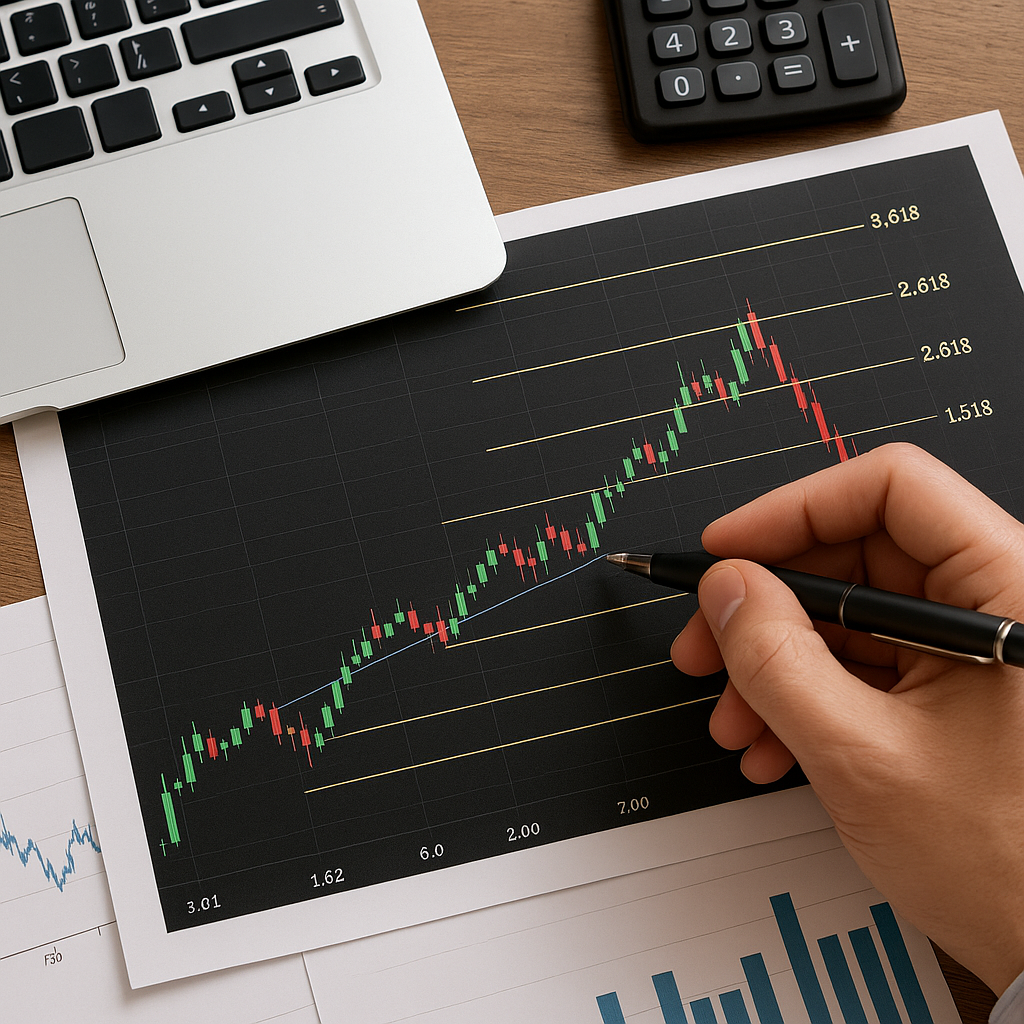
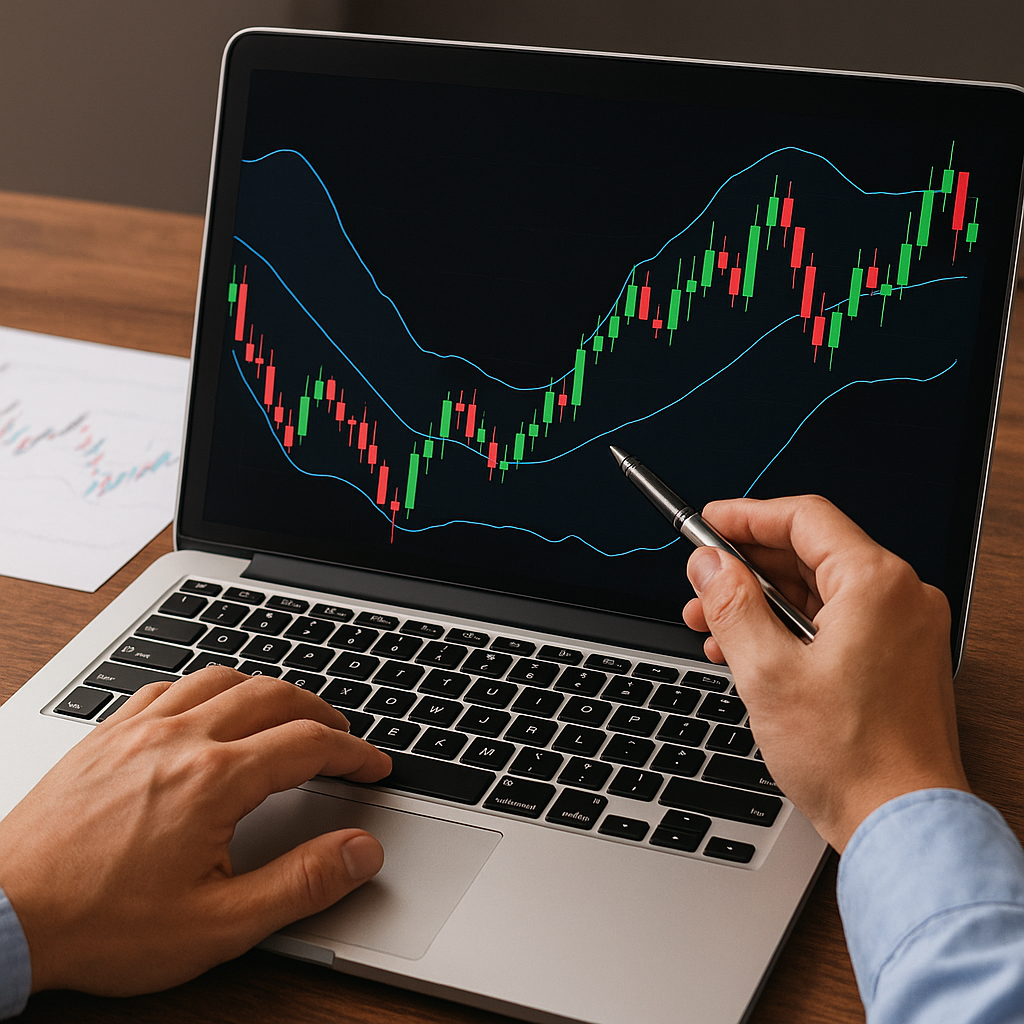
Speculators use indicators such as moving averages, Bollinger Bands, and Fibonacci retracements to identify entry and exit points. Quant funds may integrate machine learning algorithms to detect non-linear patterns across historical data, enhancing prediction accuracy.
4. Risk Management and Position Sizing
Effective risk management is vital. Traders set stop-loss orders, calculate value-at-risk (VaR), and adjust position sizes based on account equity. Utilizing too much leverage can amplify returns but also magnify losses, making disciplined risk controls indispensable.
Impact on Market Liquidity and Volatility
Speculative flows exert a pronounced effect on FX liquidity and price stability. On one hand, active speculators improve liquidity, enabling large orders to be executed without significant slippage. High turnover also narrows bid-ask spreads, benefiting all market participants.
Conversely, excessive speculation can trigger heightened volatility. Herd behavior, where traders follow momentum signals, may result in overshooting and abrupt corrections. Historical episodes, such as the 2015 Swiss franc shock, illustrate how rapid speculative unwinds can cascade into broader financial turmoil.
- Illiquid trading windows (e.g., during holidays) can magnify price moves when speculative orders hit the market.
- Sudden shifts in risk appetite often prompt a flight-to-quality, leading to safe-haven currency surges (e.g., US dollar or Japanese yen).
Understanding these dynamics helps institutional and retail traders anticipate liquidity droughts and adjust strategies accordingly.
Regulatory and Ethical Considerations
Given the systemic relevance of currency markets, regulators worldwide maintain oversight to curb destabilizing speculation and ensure market integrity. Key measures include:
- Position limits to prevent market manipulation by large participants.
- Mandatory reporting requirements for over-the-counter (OTC) trades, enhancing transparency.
- Stress testing of financial institutions’ FX exposures to assess resilience under extreme scenarios.
Despite these safeguards, ethical concerns persist. Front-running client orders, spoofing (placing false orders to mislead competitors), and excessive use of leverage during volatile conditions can undermine trust. Regulators such as the Commodity Futures Trading Commission (CFTC) and the European Securities and Markets Authority (ESMA) continue to tighten regulatory oversight and impose hefty fines for malpractice.
Emerging Trends and Future Outlook
Innovation and technological advances are reshaping speculative landscapes in unprecedented ways:
Decentralized Finance and Crypto FX
Decentralized exchanges (DEXs) and tokenized fiat pairs offer 24/7 trading, challenging traditional market hours. Speculators now factor in on-chain metrics, such as transaction volumes and liquidity pool depths, when assessing currency risk.
Artificial Intelligence and Predictive Analytics
Next-generation AI models aim to ingest vast datasets—from satellite imagery to social media sentiment—to forecast currency moves. These tools promise enhanced accuracy but also raise concerns about amplifying herd behavior if widely adopted.
Central Bank Digital Currencies (CBDCs)
The advent of CBDCs could redefine cross-border payments and speculative flows. With programmable money, central authorities might implement real-time controls on currency movements, potentially limiting extreme FX volatility.
As global capital markets evolve, understanding the intricate role of speculation will remain essential for investors, policymakers, and institutions. Adapting to technological innovations while upholding robust risk and ethical standards will determine the future resilience of currency markets.