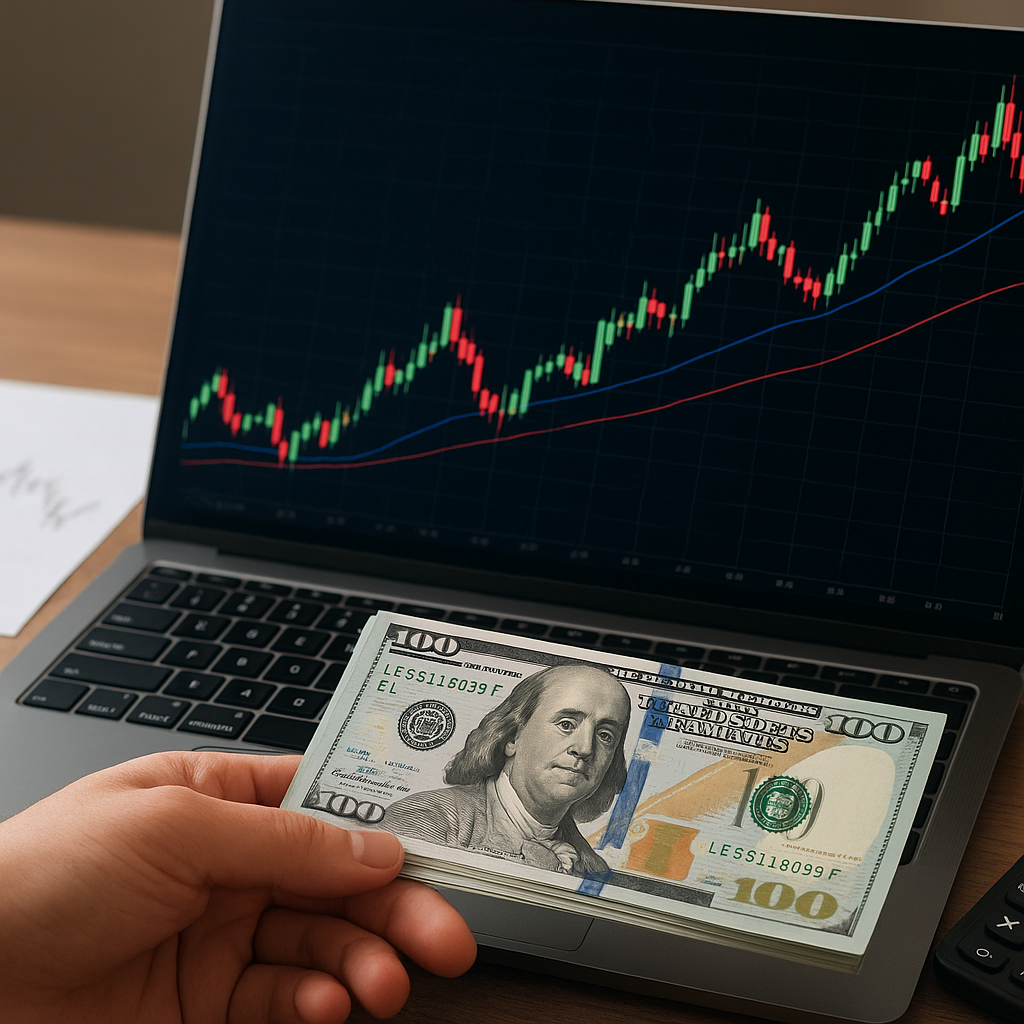
Day trading currencies can offer a thrilling pathway into the world of financial markets, blending fast-paced action with the potential for substantial returns. Investors are drawn to foreign exchange (Forex) markets due to their unique characteristics, but success demands a clear understanding of both opportunities and pitfalls. This article examines key factors driving the appeal of currency day trading, examines essential strategies and tools, and highlights the primary risks associated with this dynamic arena.
The Appeal of Day Trading Currencies
Traders often cite several compelling advantages when choosing to focus on currency markets. These include around-the-clock trading, deep liquidity, and the ability to capitalize on small price movements. Below are some of the most attractive features:
- Liquidity: The Forex market is the largest financial market in the world, with daily trading volumes exceeding $6 trillion. This depth allows traders to enter and exit positions quickly without significant slippage.
- Volatility: Currency pairs often exhibit clear intraday trends and price swings. Volatility, when harnessed properly, can lead to rapid profit opportunities.
- Leverage: Many brokers offer high leverage ratios, sometimes up to 100:1 or more. This amplifies both gains and losses, making risk management essential.
- Accessibility: Thanks to online platforms, anyone with a modest account balance can begin trading. No extensive background in finance is strictly required, though education is highly recommended.
- Cost Efficiency: Tight spreads and low commissions keep transaction costs minimal, particularly when compared to stock trading.
Key Strategies and Tools
Successful day traders rely on a combination of tactics and analytical methods. While approaches vary, certain core strategies and instruments remain widely used across the industry.
Technical Analysis
Many day traders emphasize chart patterns and indicators to time entries and exits. Some popular tools include:
- Moving Averages: Used to identify trend direction and potential reversal points.
- Relative Strength Index (RSI): Measures momentum to detect overbought or oversold conditions.
- Bollinger Bands: Highlights volatility and price extremes relative to a moving average.
- Support and Resistance: Key price levels where currency pairs often pause or reverse.
Fundamental Analysis
While less common among pure day traders, a basic awareness of economic indicators can provide context and prevent unexpected losses:
- Interest Rate Decisions: Central bank statements can trigger sudden market shifts.
- Employment Reports: Data such as non-farm payrolls often cause spikes in major currency pairs.
- Inflation Statistics: Consumer Price Index (CPI) releases affect perceptions of future monetary policy.
- Geopolitical Events: Trade tensions and political unrest can create rapid fluctuations.
Risk Management Tools
Effective risk control is paramount to long-term survival. Common safeguards include:
- Stop-Loss Orders: Automatically close losing trades at predefined levels to limit damage.
- Take-Profit Orders: Lock in gains by instructing the platform to close trades once a target price is hit.
- Position Sizing: Determines the amount of capital at risk in each trade to avoid overexposure.
- Margin Call Alerts: Notifies traders when account equity falls below maintenance requirements, prompting immediate action.
Risks and Drawbacks
Despite its attractions, day trading currencies poses several challenges. Understanding these risks is crucial to developing a realistic expectation of the effort and discipline required.
- Emotional Stress: The need for quick decisions can trigger anxiety and impulsive behavior, often leading to poor trade execution.
- Leverage Pitfalls: While high leverage magnifies gains, it also amplifies losses. A small adverse move can wipe out significant portions of trading capital.
- Market Noise: Not all price movements represent meaningful trends. False breakouts and erratic spikes can result in stop-loss triggers and unexpected drawdowns.
- Transaction Costs: Although spreads are generally narrow, frequent trading can accumulate substantial fees over time.
- Technical Failures: Platform outages, Internet disruptions, and latency issues can prevent timely order execution, sometimes costing traders dearly during volatile sessions.
Compounding these risks, novice traders often underestimate the effort needed to build a reliable trading routine. Without a well-honed plan, emotions tend to override logic.
Suitability and Skill Development
Day trading currencies is not suitable for everyone. It demands a blend of analytical ability, discipline, and psychological resilience. Prospective traders should evaluate their personal attributes and resources before diving in.
- Educational Commitment: Successful traders invest extensive time in learning market mechanics, chart reading, and trading psychology.
- Demo Accounts: Practicing with virtual funds helps newcomers refine their strategy without risking real capital.
- Mentorship and Community: Participating in trading forums or working with experienced mentors accelerates the learning curve.
- Routine and Discipline: Establishing regular market analysis sessions and strict rules for trade entries and exits fosters consistency.
- Continuous Improvement: Keeping a trading journal to review past decisions, successes, and failures is vital for growth.
Over time, traders who adapt their techniques, maintain rigorous risk controls, and stay informed about macroeconomic developments stand a better chance of achieving sustainable results.